




Meet El Niño: A Natural Cycle
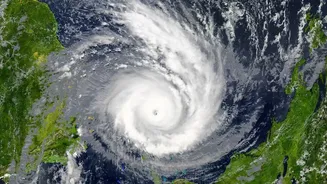
Think of the El Niño-Southern Oscillation (ENSO) as a massive, natural climate pattern in the tropical Pacific Ocean. It has two main phases: El Niño and La Niña. During an El Niño, trade winds that typically blow from east to west weaken. This allows
a huge patch of warm surface water in the central and eastern Pacific to expand. This change in ocean temperature, which occurs every two to seven years and lasts for about nine to twelve months, is powerful enough to disrupt weather patterns across the globe. For India, El Niño is often associated with a weaker southwest monsoon, which can lead to reduced rainfall and potential drought conditions that impact agriculture and water reservoirs. However, its effect isn't always a guaranteed drought; it mainly makes rainfall more unpredictable.
The Constant Pressure: Human-Caused Warming
Separate from this natural cycle is the steady, long-term warming of the entire planet. The scientific consensus is overwhelming—with studies showing over 99% agreement—that this trend is driven by human activities. Burning fossil fuels like coal, oil, and gas releases greenhouse gases such as carbon dioxide (CO2) into the atmosphere. These gases act like a blanket, trapping heat and causing the Earth's average temperature to rise. This isn't a cycle that comes and goes; it's a persistent, cumulative change. While natural cycles have always existed, the speed and scale of the current warming are unprecedented and directly linked to the surge in man-made emissions since the industrial revolution.
A Dangerous Combination
The core issue is that El Niño no longer happens in the climate of our grandparents. It now occurs on a planet that is already significantly warmer. Each El Niño event gives a temporary extra boost to global temperatures, pushing them about 0.2°C higher on average. When this natural peak is added to the elevated baseline temperature from human-caused warming, it results in record-shattering heat. This is why recent El Niño years, like the one currently developing in 2026, are pushing global temperature records. The World Meteorological Organization has noted that the strong El Niño developing in 2026 is expected to intensify, driving above-normal temperatures worldwide. Forecasters are monitoring key oceanic indicators that have already crossed the threshold for a 'very strong' event for the first time in years.
The Impact on India's Weather
For India, this combination makes an already complex weather system even more erratic. While El Niño is historically linked to drier monsoons, climate change is separately making rainfall patterns more extreme. This can result in a paradox: longer dry spells punctuated by sudden, intense bursts of rain that lead to flooding. So, while the total rainfall in a season might be lower, the risk of destructive, extreme weather events can actually increase. This dual pressure complicates everything from farming schedules and crop selection to water management and disaster preparedness, affecting the economy and daily life.