

From Heirlooms to High Street
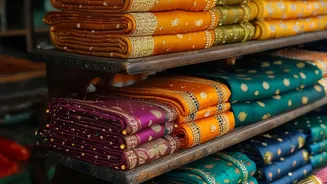
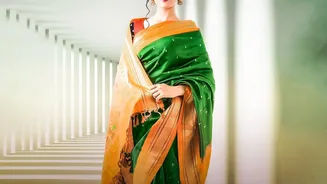
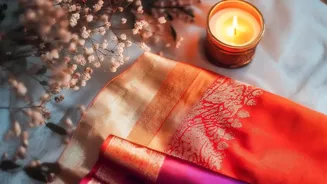
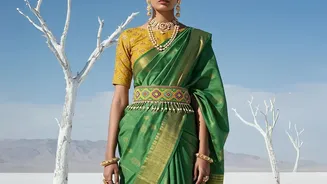
For decades, Indian handloom was often perceived as beautiful but impractical—heavy fabrics reserved for festivals, weddings, or the wardrobes of politicians and older generations. The intricate weaves of Banarasi silk or the earthy texture of khadi were
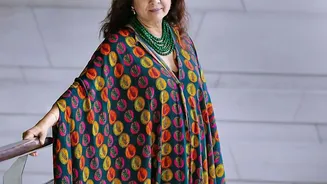
respected but not always seen as part of contemporary, everyday fashion. That perception is now being turned on its head. A significant fashion reset is taking place, moving handloom from the realm of occasion-wear to a central element of modern style. This isn't just about preserving tradition; it's about radically reinterpreting it for a new era.
The New Conscious Shopper
At the heart of this shift are India's younger consumers, particularly millennials and Gen Z. This demographic is increasingly turning away from the homogeneity of fast fashion, seeking products that offer authenticity and a compelling story. For them, a purchase is a statement of identity. They want to know who made their clothes and how they were made. This has fueled a demand for fashion that is not only stylish but also sustainable and ethically produced. Handloom, with its natural fibres, low environmental impact, and direct connection to artisan communities, perfectly aligns with these values. Younger shoppers are embracing heritage on their own terms, styling heirloom textiles in innovative ways and investing in handcrafted pieces that feel personal.
Indie Labels as Modern Weavers
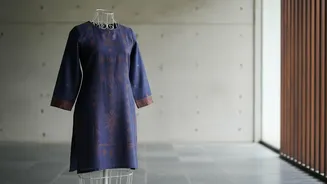
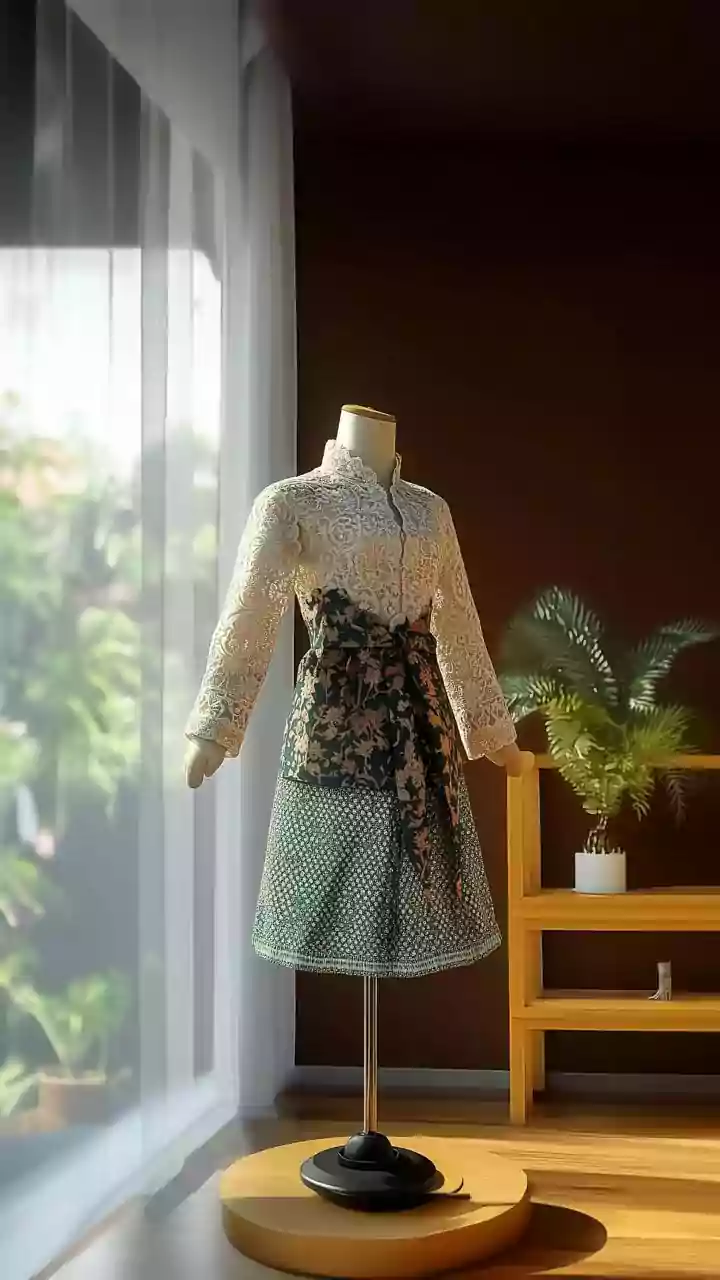
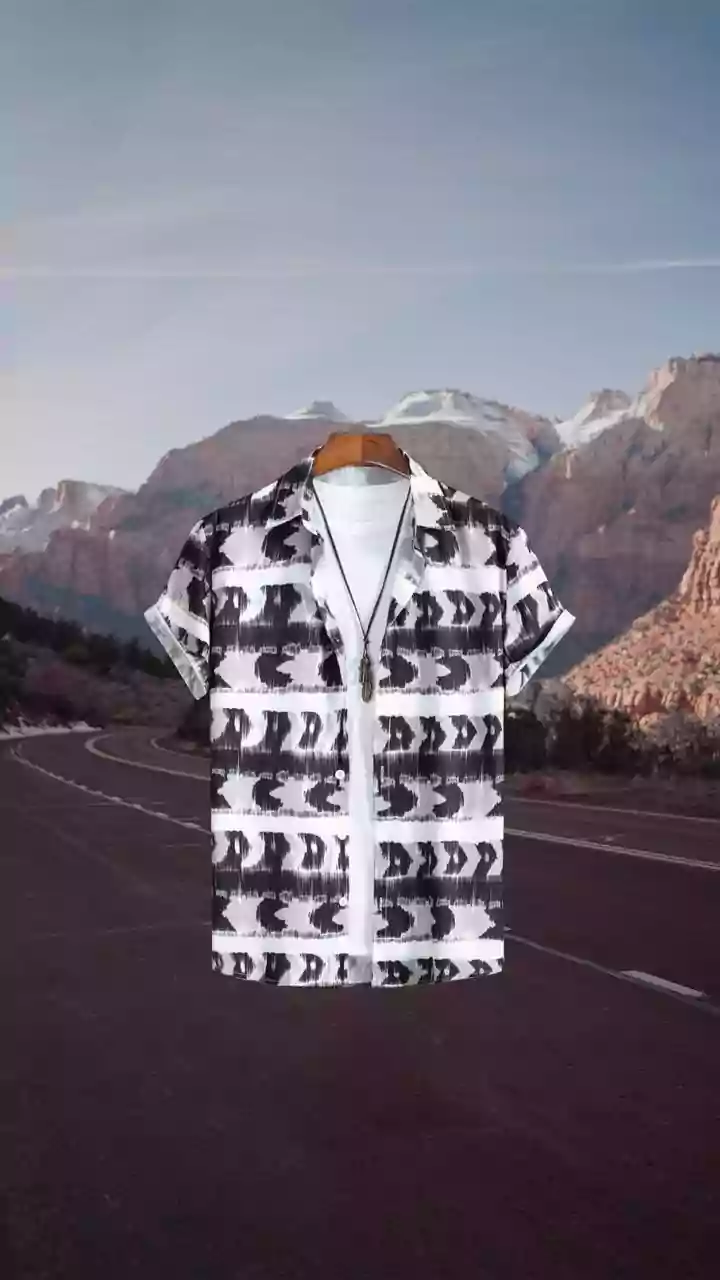
Independent fashion labels are the crucial bridge connecting heritage craft with the modern consumer. These brands are the architects of the handloom reset, proving that tradition and modernity can coexist beautifully. They work closely with artisan clusters across the country, from weavers in Bengal to dyeing studios in Gujarat, transforming traditional textiles into contemporary silhouettes like oversized shirts, structured corsets, and minimalist dresses. By respecting the fabric as the starting point, these labels celebrate the subtle irregularities of handcrafted textiles, creating pieces that are both unique and wearable. They are not just selling clothes; they are selling a narrative of skill, authenticity, and cultural continuity.
The Social Media Thread
This entire movement has been amplified and accelerated by social media. Platforms like Instagram have become virtual marketplaces and digital galleries, allowing indie brands to bypass traditional retail gatekeepers and connect directly with consumers. Through compelling visual storytelling—from Reels showing the weaving process to influencer collaborations—brands can educate customers on the value and craftsmanship behind each piece. This digital exposure has made handloom more accessible and aspirational, building a global community of enthusiasts who appreciate the stories woven into the fabric.
Challenges in the Weave
Despite the positive momentum, the handloom sector faces persistent challenges. Competition from cheaper, machine-made textiles from power looms remains intense. Artisans often struggle with low wages, inconsistent access to raw materials, and an aging workforce, as younger generations are sometimes hesitant to take up the craft. While indie labels are creating a new market, ensuring that the economic benefits flow back to the weavers is a constant challenge. The perception of handloom as a luxury or high-cost item can also be a barrier for some consumers, making it crucial to balance fair wages with market realities.