






An Epic Canvas of Temporary Art
While Durga Puja is celebrated across India, Kolkata’s version is a phenomenon of unmatched scale and creativity. The heart of the celebration is pandal hopping, a city-wide pilgrimage to see thousands of temporary pavilions, or pandals, each housing
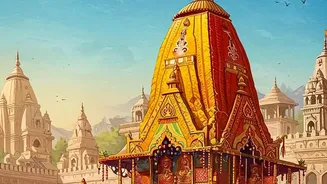
an idol of Goddess Durga. These are not mere structures but breathtaking art installations. For months, artisans and designers work to bring elaborate themes to life, turning bamboo, cloth, and clay into everything from replicas of the Somnath Temple to abstract concepts exploring social issues. In recent years, themes have focused on sustainability, using recycled and eco-friendly materials to craft these ephemeral masterpieces. The city's pandals, estimated to be over 3,000, compete for awards and public acclaim, pushing the boundaries of creativity each year.
A City That Refuses to Sleep
During the five main days of Puja, Kolkata becomes a city that never sleeps. From dusk till dawn, millions of people, dressed in their festive best, pour onto the streets to visit pandals. The concept of a quiet night is forgotten as families and friends navigate through bustling crowds, creating a unique, electric atmosphere. This all-night cultural marathon is fuelled by an abundance of street food, from kathi rolls and phuchkas to elaborate biryanis sold at countless stalls that spring up near the pandals. It is this round-the-clock energy, where the entire city participates in a shared public celebration, that sets Kolkata apart. Pandal hopping is best done using the Kolkata Metro, which runs special all-night services to manage the immense crowds and connect major puja hubs across North and South Kolkata.
The UNESCO Seal of Approval
In December 2021, 'Durga Puja in Kolkata' was inscribed on UNESCO's Representative List of the Intangible Cultural Heritage of Humanity. This recognition acknowledged the festival as a unique blend of public performance, religion, and collaborative artistry. The UNESCO tag has not only boosted the festival's global profile but has also invigorated the local ecosystem. It has drawn more international tourists and put a spotlight on the thousands of artisans, designers, and craftspeople who are the backbone of this grand event. This global recognition confirms what locals have always known: Kolkata's Durga Puja is more than just a festival; it is a living, breathing cultural treasure that galvanizes an entire community.
An Unrivalled Economic Engine
The sheer scale of the celebration has a significant economic impact. A 2019 study estimated the creative economy around the festival to be worth over ₹32,000 crore, accounting for a substantial portion of West Bengal's GDP. More recent estimates suggest the festival's economy is even larger, potentially reaching ₹50,000 crore, creating temporary employment for lakhs of people. This economic boom touches numerous sectors, including idol makers in Kumartuli, lighting decorators, retailers, and the food and beverage industry. Beyond the community pandals, the traditional 'Bonedi Bari' pujas, held in the city's centuries-old aristocratic households, offer a glimpse into the rich history and enduring traditions of the festival.