


Understanding the Current River Situation
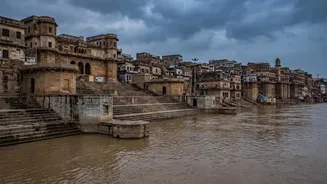
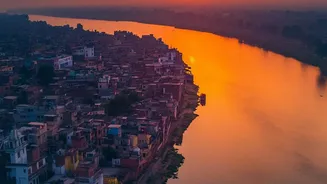
As of early September 2026, the Ganga's water level in Varanasi has been recorded above 70.5 meters, surpassing the established warning mark of 70.26 meters. This is a result of sustained monsoon rainfall. While the river is still below the official "danger
level" of 71.26 meters, the continuous rise has prompted local authorities to take significant precautionary measures. The situation is being closely monitored, with the river level increasing by approximately two centimeters per hour at times. Both the Ganga and the local Varuna river are contributing to flooding in low-lying areas.
How Are Key Tourist Activities Affected?
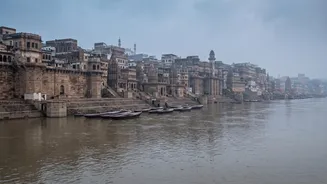
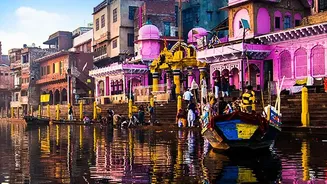
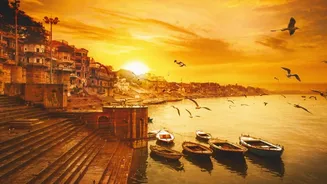
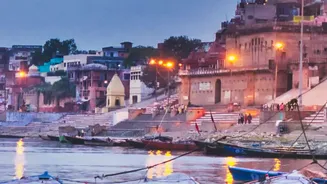
The high water levels have a direct impact on the activities that define a visit to Varanasi. The iconic ghats, the stone steps leading down to the river, are partially or fully submerged. This has led to an official suspension of all boat operations, a major blow for tourists hoping for a sunrise or sunset tour on the water. Furthermore, the famous evening Ganga Aarti ceremony, held at Dashashwamedh Ghat, has been relocated to higher ground or rooftops as the traditional platforms are inundated. Access to the main cremation grounds, Manikarnika and Harishchandra ghats, has become extremely difficult, with some funeral processions now using boats to reach rooftops for the final rites.
Safety and Navigation for Visitors
Visitor safety is the top priority. Officials have strongly advised both residents and tourists to avoid venturing onto the ghats or into any area with strong river currents. Police and National Disaster Response Force (NDRF) teams are actively patrolling the riverfront and have been deployed to routes leading to the Ganga to prevent accidents. Waterlogging has been reported in at least 11 localities. Visitors should be cautious when walking in affected areas, as submerged lanes can hide hazards like open drains or uneven surfaces. It is crucial to heed all local advisories and instructions from authorities on the ground.
Should You Reconsider Your Travel Plans?
Whether to travel to Varanasi right now depends on your itinerary. If your trip is centered on riverside experiences like boat rides and exploring the lower ghats, you may find your plans significantly disrupted. However, the city itself remains open. Hotels, temples, and markets located further from the river are largely unaffected. For visitors who are already in the city or have imminent, non-refundable plans, focusing on sights on higher ground is a practical alternative. Exploring the city's labyrinthine alleys, visiting the Sarnath stupas just outside the city, or discovering Varanasi's rich silk-weaving tradition can still offer a fulfilling experience. The weather forecast predicts more rain, so flexibility will be key.
Where to Find Reliable Updates
For the most current information, travelers should monitor bulletins from the Central Water Commission (CWC), which provides official river level data. Local news outlets are providing continuous updates on the situation. The district administration has also set up a 24/7 flood control room and numerous flood outposts to manage the situation. Paying attention to guidance from local authorities and your hotel staff is the best way to stay informed and safe during your visit. The administration has established dozens of relief camps for affected residents and is actively engaged in rescue operations.