







The Deepening Water Crisis
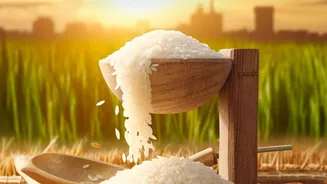
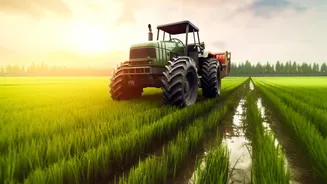
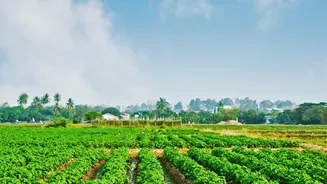
The engine of the Green Revolution is running on empty. Punjab, India's breadbasket, is facing a severe water crisis driven by decades of intensive rice and wheat cultivation. Paddy is a notoriously thirsty crop, and its widespread cultivation has led
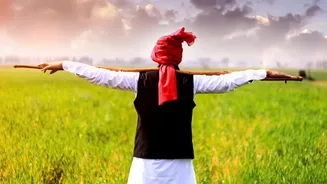
to alarming groundwater depletion. In many districts, the water table has fallen drastically, forcing farmers to drill deeper and more expensive borewells, often costing lakhs of rupees. Farmers in some areas report that water once available at 100 feet is now only found at depths of 350-400 feet. This over-extraction has pushed nearly 80% of the state's administrative blocks into the 'over-exploited' category, threatening not just agriculture but future drinking water supplies. The traditional wheat-paddy cycle is no longer considered sustainable, prompting a renewed and urgent push for change.
The Government’s Latest Diversification Push
In response to the crisis, the Punjab government is actively promoting a shift away from paddy during the Kharif season. The centerpiece of the 2026-27 strategy is a scheme to encourage maize cultivation. Following a pilot project, the government has expanded its Kharif maize promotion scheme to 16 districts, offering a financial incentive of ₹17,500 per hectare to farmers who make the switch. The program aims to cover around 20,000 hectares. To ensure transparency and prevent misuse, the entire process has been digitised. Farmers must register on a government portal and use mandatory geo-tagging to verify that the land was previously used for paddy. The subsidy is disbursed in instalments after field verification through the Unnat Kisan Portal.
Maize, Cotton, and Other Alternatives
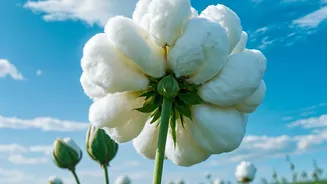
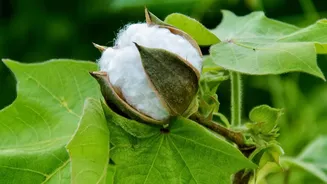
Maize is being positioned as a key alternative because it requires significantly less water than paddy—some estimates suggest up to 80% less. Beyond maize, the state is also encouraging the cultivation of cotton, pulses, oilseeds, fruits, and vegetables. For the current season, the agriculture department has set a target of bringing 1.25 lakh hectares under cotton, a slight increase from the previous year. The push for diversification also aligns with growing markets for certain crops. For instance, some farmer unions have argued that opposition to E20 fuel (petrol blended with 20% ethanol) could weaken the market for maize, which is a key input for ethanol production. They advocate for policies that create stable demand for these alternative crops.
The Hurdles on the Ground
Despite government incentives, convincing farmers to abandon the security of the wheat-paddy cycle is a major challenge. The biggest hurdle is the lack of a guaranteed Minimum Support Price (MSP) and assured procurement for alternative crops. While paddy and wheat have a robust, well-established procurement system backed by the Food Corporation of India, farmers who grow maize or pulses face significant market risks and price volatility. Experts argue that the current financial incentive of ₹17,500 per hectare is insufficient to bridge the profitability gap, especially when paddy cultivation is supported by massive power subsidies for tubewells. Building a complete ecosystem—including procurement infrastructure, processing industries, and stable market linkages—is seen as essential for any diversification effort to succeed in the long term.