


Your Urban Herb Garden: Getting Started
Starting an indoor herb garden is simpler than you might think. The key is choosing the right location, containers, and soil. Most Indian herbs thrive with at least four to six hours of sunlight, making a south or east-facing window ideal. If you don't
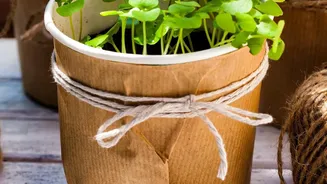
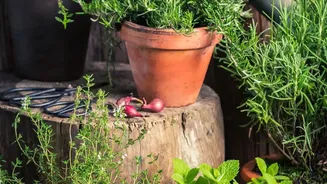
have a sunny window, a bright balcony will work perfectly. When it comes to containers, you don't need anything fancy. Old buckets, plastic bottles, or terracotta pots work well, as long as they have drainage holes at the bottom to prevent waterlogging. For soil, avoid using dense garden soil from outside, which can compact in pots. Instead, use a lightweight and nutrient-rich potting mix. A popular and effective mixture for Indian home gardeners is one part garden soil, one part compost or vermicompost, and one part cocopeat. This blend retains moisture while allowing for good drainage and aeration, giving your herbs a healthy start.
Coriander (Dhania): The Kitchen Staple
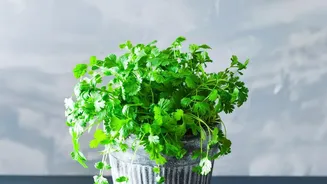
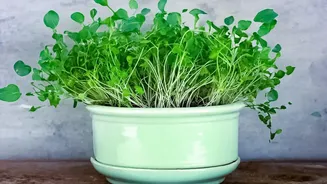
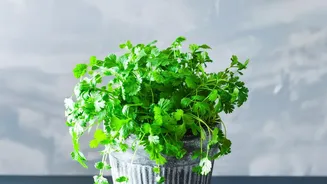
No Indian kitchen is complete without fresh dhania. Growing it at home ensures you have a pesticide-free supply for garnishes and chutneys. Coriander grows best in temperatures between 17°C and 27°C. It's best to sow seeds directly into a pot that is at least 6-8 inches deep. For quicker germination, you can gently split the whole coriander seeds into two halves. Plant the seeds about half an inch deep, cover them with a thin layer of soil, and water thoroughly. Keep the soil consistently moist but not waterlogged. Your leaves should be ready to harvest in about 40 to 45 days, or once the plant is about four to six inches tall. You can start by snipping off the outer leaves, which allows the inner leaves to continue growing, giving you a continuous supply.
Mint (Pudina): The Prolific Refresher
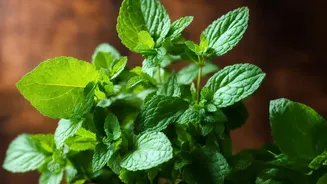
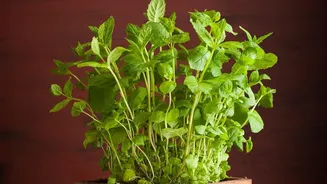
Mint is an incredibly resilient and fast-growing herb, perfect for beginners. Growing it in a pot is actually recommended, as it can be invasive and take over a garden bed. You can easily grow mint from a healthy cutting from the market. Strip the lower leaves from a few stems and place them in a glass of water. In a couple of weeks, you'll see roots begin to form. Once the roots are strong, transplant the cuttings into a pot filled with a well-draining soil mix. Mint is flexible about sunlight, thriving in both full sun and partial shade, but it does prefer moist soil. Water it regularly, especially during hot months, to keep the soil damp. Harvest the leaves by pinching off the tops, which will encourage the plant to grow bushier.
Holy Basil (Tulsi): The Sacred Healer
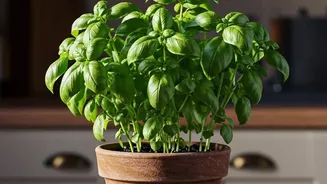
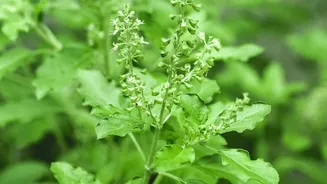
Tulsi is a staple in many Indian homes for both culinary and spiritual reasons. It is a sun-loving plant that needs at least four to six hours of direct sunlight daily to thrive. A lack of light can cause the plant to become 'leggy' with sparse leaves. You can grow Tulsi from seeds or a cutting. For the best results, use a well-draining soil mix that doesn't stay waterlogged. The most common mistake with Tulsi care is overwatering, especially in cooler weather. A good rule of thumb is to water only when the top inch of soil feels dry. Regularly pinching off the top leaves and flower buds will encourage the plant to grow into a fuller, bushier shape.
Curry Leaves (Kadi Patta): The Flavour Enhancer
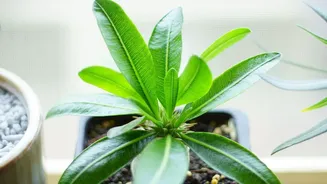
A fresh sprig of curry leaves can elevate any tadka. While curry leaf plants can grow into large trees, they adapt well to container life, though they grow slowly. These tropical plants love heat and humidity, so a sunny spot on your balcony is perfect. They do best in well-draining soil and need regular watering to keep the soil moist but not wet. A curry leaf plant can sometimes show signs of iron deficiency. If you notice yellowing leaves, you can supplement with a little iron sulfate or some buttermilk, which also adds nitrogen and increases soil acidity slightly. Be patient with your curry leaf plant; it may take a year or two for a seedling to get well established, but the reward of fresh, aromatic leaves is well worth the wait.