



A Tale of Two Growth Rates
On the surface, October 2026 was a blockbuster month for electric cars in India. According to retail data from the Federation of Automobile Dealers Associations (FADA), electric passenger vehicle sales hit approximately 37,049 units. This marked a stunning
76.5% increase compared to the 20,995 units sold in October 2025. This metric, known as Year-on-Year (YoY) growth, shows a powerful long-term trend of EV adoption. However, a different picture emerges when looking at Month-on-Month (MoM) figures. Sales in October saw only a slight 2.6% rise from the 36,108 units sold in September 2026. So, was it a massive surge or a modest uptick? The answer lies in understanding what each of these numbers truly represents.
The Short-Term View: Month-on-Month (MoM)
Month-on-Month growth compares sales in one month directly against the previous one. It's a useful indicator for short-term momentum and can be influenced by very specific factors. For instance, a small 2.6% MoM growth in October suggests that the market's blistering pace from September didn't dramatically accelerate further. These monthly numbers are often affected by seasonal events. The festive calendar plays a huge role; in 2026, major Diwali celebrations fell in November, whereas in 2025, both Navratri and Diwali occurred in October. This calendar shift means that some of the festive rush expected in October likely spilled over into November, moderating the month-on-month jump. New model launches, attractive discounts, or even supply chain improvements can also cause short-term spikes that are visible in MoM data.
The Long-Term Trend: Year-on-Year (YoY)
Year-on-Year growth is where the real story of India's EV adoption shines. By comparing October 2026 to October 2025, YoY analysis smooths out short-term volatility and seasonal quirks like the timing of festivals. The massive 76.5% YoY surge is undeniable proof of a structural shift in the market. It shows that, regardless of monthly fluctuations, the underlying demand for electric vehicles has grown dramatically over the past year. In October 2025, EVs accounted for just 3.5% of total car sales. A year later, that share has more than doubled to 7.3%. This demonstrates robust, sustained growth that isn't just a flash in the pan.
Who is Leading the Charge?
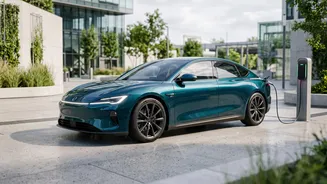
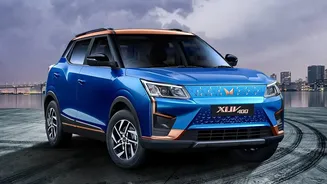
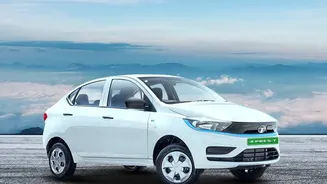
The growth isn't just a statistic; it's being driven by intense competition. Tata Motors continues to lead the market, selling 14,669 EVs in October. However, its dominance is being challenged. Mahindra & Mahindra has secured a strong second position with 8,538 units, posting an impressive 85.7% annual growth. Other players like JSW MG Motor, Kia, and newcomer VinFast are also making significant inroads, expanding choices for consumers across different price points. Even Maruti Suzuki has established a firm presence on the scoreboard, signaling that mainstream adoption is well and truly underway.
What's Fuelling the Fire?
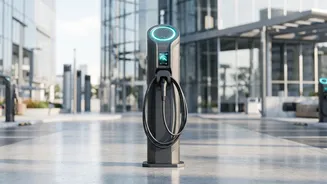
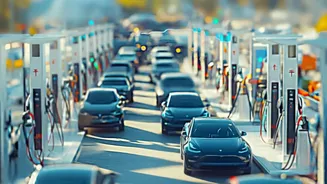
This impressive annual growth is powered by several key factors. Government initiatives like the FAME (Faster Adoption and Manufacturing of Electric Vehicles) scheme have been crucial in making EVs more affordable through subsidies. Although FAME-II concluded in March 2024, its successor schemes continue to support the ecosystem. Alongside policy support, the expansion of charging infrastructure, a wider variety of available models from SUVs to hatchbacks, and rising petrol and diesel prices are all convincing more Indians to make the switch. With sales for the calendar year to early November already surpassing 300,000 units—a 66% increase over the previous year—the momentum is clear.