



A Legacy Rooted in Place
To understand the scale of the sequel, one must first revisit the original. The 2007 film 'Awarapan' was largely defined by its moody, atmospheric setting in Bangkok. It used the city's neon-drenched nights and shadowy alleys to create a world of isolation
and moral conflict for its protagonist, Shivam Pandit. The location was not just a setting; it was a character in itself, mirroring Shivam's own feelings of being a lost and displaced soul. For a sequel to succeed nearly two decades later, it needed to acknowledge this legacy while significantly raising the stakes. The filmmakers' answer was not to abandon this foundation, but to build a sprawling empire upon it.
Bangkok: A Return to the Underbelly
The decision to return to Bangkok was a crucial and deliberate one. Principal photography for 'Awarapan 2' saw the crew spend significant time in the Thai capital, but this was no mere nostalgia trip. According to the film's plot, Shivam is drawn back into the city's dark corners to dismantle a child trafficking racket. By shooting key action set-pieces, chase sequences, and dramatic scenes in real, bustling Bangkok markets and streets, the production immediately established a sense of heightened danger and grit. This wasn't just returning to a location; it was about expanding the narrative, showing a bigger, more sinister criminal network that required a new level of commitment from its hero.
Rajasthan: A Grounded Contrast
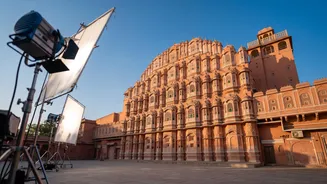
To prevent the film from becoming just another foreign-shot action thriller, the makers introduced a powerful visual and thematic contrast: Rajasthan. Filming took place in locations like Jaipur and Sambhar, providing a rustic, earthy backdrop that stands in stark opposition to Bangkok's urban chaos. This choice is a masterstroke in scaling the narrative. It grounds Shivam's journey, suggesting a connection to his homeland and perhaps a life he tried to lead away from the violence. Whether used for flashbacks, a period of hiding, or a different front in his battle, the inclusion of Rajasthan's stark beauty adds depth and a distinctly Indian soul to the story, reminding the audience what is ultimately at stake for the character.
Malaysia and Mumbai: The Global and the Core
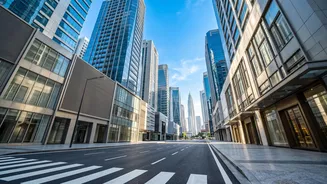
The film's geographical footprint expands even further with shoots in Kuala Lumpur, Malaysia, and the industry hub of Mumbai. Kuala Lumpur's modern, gleaming cityscape suggests that the criminal enterprise Shivam is fighting is not just a local problem but a sophisticated, international operation. This elevates the film's scale from a personal vendetta to a global conflict. Meanwhile, the shooting schedules in Mumbai, the heart of Bollywood, likely handled crucial interior shots and dramatic sequences that form the emotional core of the film. This combination showcases a production with immense logistical ambition, capable of mounting complex shoots across multiple countries while retaining a solid home base for core production needs.
More Than a Travelogue: A Narrative of Scale
Ultimately, the shooting locations for 'Awarapan 2' are not just dots on a map; they are the building blocks of its epic scale. The journey from Rajasthan's dusty landscapes to the vibrant, dangerous streets of Bangkok and the polished towers of Kuala Lumpur creates a visual narrative of its own. It tells the audience that Shivam's battle has grown from an internal, localized struggle to a sprawling war fought across borders. This geographic expansion directly translates to a larger narrative world, higher stakes, and a justification for the nearly 20-year wait. The scale isn't just in the budget; it's in the story the locations help to tell.