


The Anatomy of a Toxic Haze
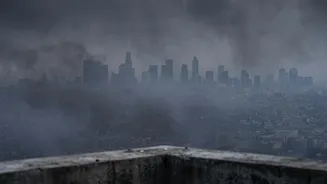
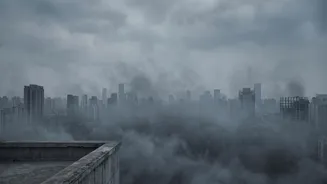
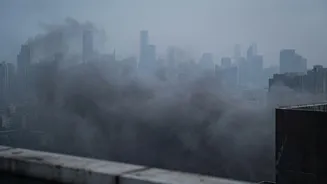
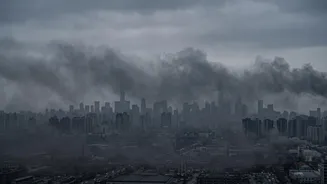
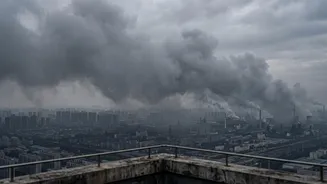
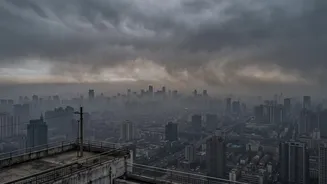
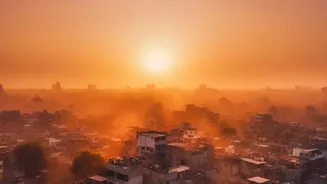
The grey blanket that descends upon the region is a complex cocktail of pollutants. The most notorious are fine particulate matter known as PM2.5 — particles so small they are about 30 times thinner than a human hair. These particles, originating from
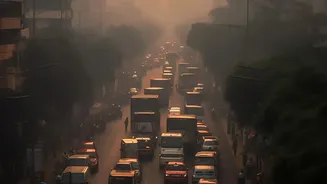
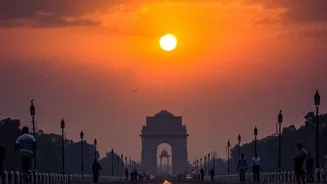
vehicle exhaust, industrial emissions, construction dust, and large-scale stubble burning in neighbouring states, are the primary cause of concern. The smog also contains other harmful gases like nitrogen dioxide (NO₂), sulfur dioxide (SO₂), and carbon monoxide, released from traffic and industrial processes. During winter, these pollutants get trapped close to the ground, creating the thick, visible smog that has become synonymous with Delhi's winter.
Your Body Under a Yearly Assault
The immediate effects of smog are well-known: stinging eyes, a persistent cough, and shortness of breath. But the real danger lies in the cumulative damage from repeated, seasonal exposure. When you breathe in PM2.5, the particles are too fine for the body's natural defences to filter. They travel deep into the lungs and can even enter the bloodstream. This triggers inflammation throughout the body, which, year after year, puts immense stress on the cardiovascular system. Chronic exposure is linked to a terrifying list of long-term health problems, including heart attacks, strokes, reduced lung capacity, chronic bronchitis, and an increased risk of developing lung cancer. Studies have shown that it can also impair cognitive function and increase the risk of dementia later in life.
The Winter Trap Phenomenon
Air quality often deteriorates dramatically in winter due to a meteorological event called temperature inversion. Normally, air is warmer near the ground and gets cooler with altitude, allowing pollutants to rise and disperse. In winter, the pattern flips. A layer of cold, dense air gets trapped at the surface beneath a layer of warmer air. This warm layer acts like a lid, preventing pollutants from escaping. Compounded by low wind speeds that prevent horizontal dispersal, the region becomes a basin where emissions from local sources and smoke from farm fires accumulate day after day, leading to severe smog episodes.
A Disproportionate Burden on the Vulnerable
While no one is immune, the burden of air pollution is not shared equally. Children are particularly at risk because their lungs are still developing, and they breathe more air relative to their body weight. Studies have found that children growing up in highly polluted areas may suffer from stunted lung growth and irreversible damage. The elderly, especially those with pre-existing heart or lung conditions, are also highly susceptible to the acute effects of smog. Furthermore, outdoor workers, such as construction labourers, delivery personnel, and traffic police, face prolonged exposure to toxic air, putting their long-term health in jeopardy.
Building Defence Against Dirty Air
On days when the Air Quality Index (AQI) is 'Very Poor' or 'Severe', the best defence is to minimise exposure. This means avoiding strenuous outdoor activities, especially during peak pollution hours. Using high-quality air purifiers at home can help create a clean air sanctuary. Wearing a well-fitting N95 or KN95 mask when outdoors can also significantly reduce the inhalation of PM2.5 particles. Monitoring AQI levels through reliable apps allows for informed decisions about daily activities. While these individual measures are crucial for self-preservation, they are temporary fixes for a systemic problem that requires sustained, large-scale policy action focused on reducing emissions from all sources.