








What Is a Ginger Compress?
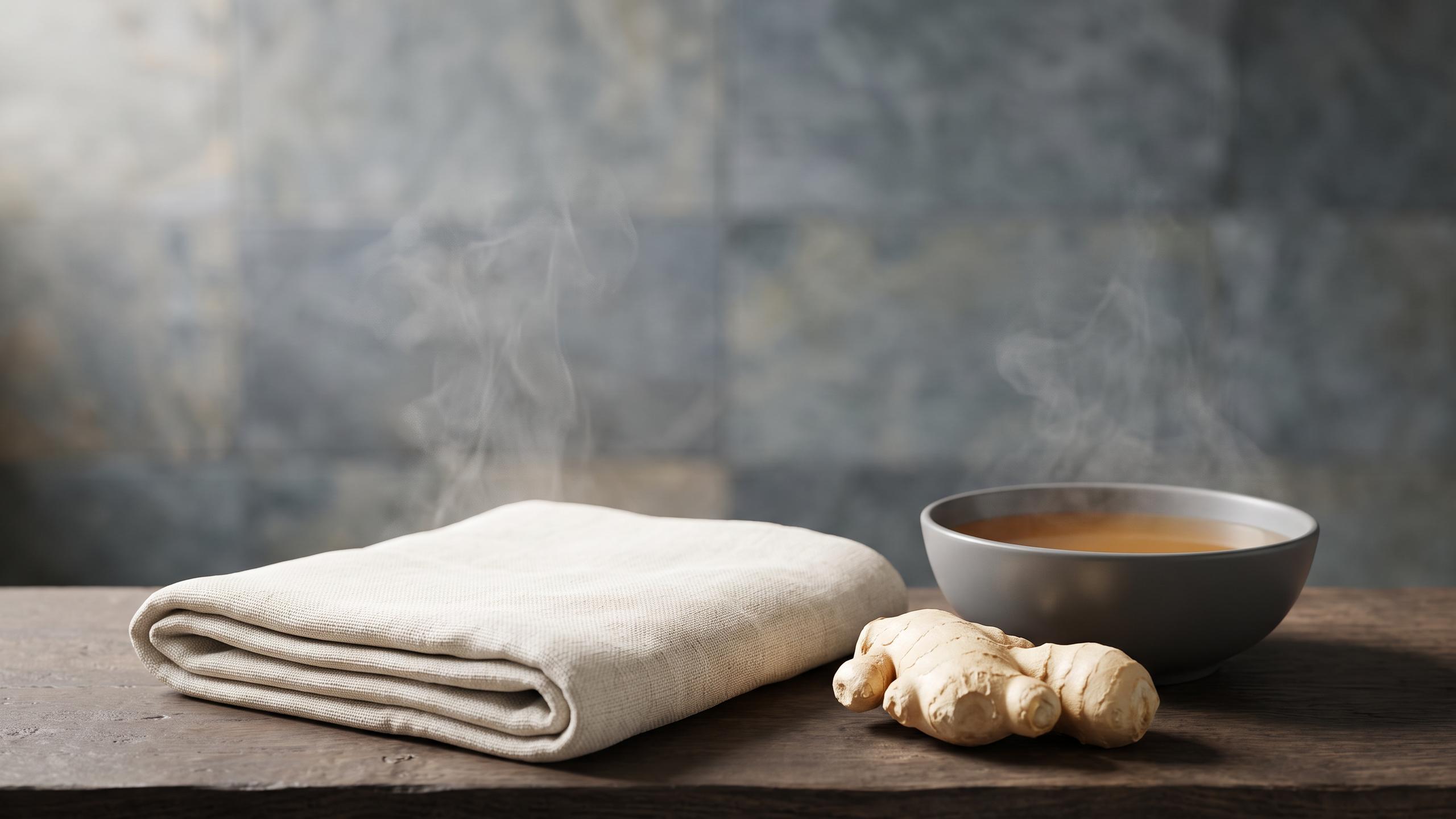
A ginger compress is a home remedy where a towel soaked in hot water infused with fresh ginger is applied to the body. This technique has been used for centuries in traditional and macrobiotic medicine to soothe a variety of ailments. By applying the compress externally,
the goal is to stimulate circulation and blood flow to a specific area, which can help relieve tension, reduce pain, and break up congestion. It's commonly used for sore muscles, joint stiffness associated with conditions like osteoarthritis, back pain, and menstrual cramps. The combination of heat from the towel and the active compounds in ginger creates a deeply penetrating warmth.
The Science Behind the Soothing
The main reason ginger is so effective is due to its potent bioactive compounds, most notably gingerols and shogaols. These are powerful anti-inflammatory agents that work in ways similar to some pain-relief medications by inhibiting enzymes involved in the inflammation process. When applied to the skin, these compounds can penetrate locally to provide relief from pain and swelling. The heat from the compress helps to widen blood vessels, which not only feels soothing but also allows the ginger's beneficial components to be absorbed more effectively, promoting healing and reducing stiffness.
Why Caution and Patch-Testing Are Crucial
The very same compounds that make ginger a therapeutic powerhouse can also cause skin reactions, particularly for those with sensitive skin. Fresh ginger root contains substances that can lead to contact dermatitis, which is a skin reaction causing redness and itching. While true ginger allergies are uncommon, skin irritation is a more frequent issue. Symptoms can range from mild redness and a feeling of excessive heat to more pronounced itching and rashes. People with a history of eczema, rosacea, or general skin sensitivity should be especially cautious. A patch test helps you determine how your individual skin will react before you apply the compress to a large area for an extended period.
How to Perform a Patch Test
Performing a patch test is simple and is the best way to avoid a widespread uncomfortable reaction. First, prepare a small amount of the ginger water you intend to use for your compress. Apply a small amount of this liquid to a discreet patch of skin, such as the inside of your wrist or the crook of your elbow. Let the area dry and leave it on for as long as you would typically use the compress, or up to 24 hours if you are particularly concerned about a delayed reaction. The American Academy of Dermatology suggests testing a product for 7 to 10 days, but for a simple compress, observing the area for a full day should suffice. If you experience any redness, itching, burning, or blistering, wash the area thoroughly with soap and water and do not proceed with the full compress.
Making Your Own Ginger Compress
If your patch test is clear, you can proceed with making the compress. You'll need about a golf-ball-sized piece of fresh ginger root, a large pot with about two quarts of water, and a couple of cotton towels. First, grate the ginger root (unpeeled is fine). Place the grated ginger into a small cheesecloth or thin cotton bag and tie it shut. Bring the water to a boil, then reduce the heat to a simmer and add the ginger pouch, letting it steep for 5 to 10 minutes. Turn off the heat. Carefully dip a towel into the hot ginger water, wring out the excess liquid, and check that the temperature is hot but not scalding. Apply the towel to the affected area, cover it with a dry towel to retain heat, and relax for 15 to 20 minutes, reapplying a freshly soaked towel as it cools.