







The Meal That Ignited The Internet
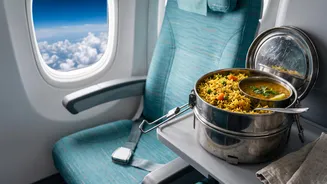
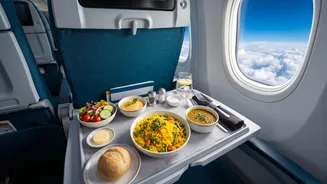
The scene was familiar to many: a family on an IndiGo flight, sharing a lovingly prepared homemade meal of items like thepla and dhokla. A video capturing the moment spread across social media, drawing mixed reactions. Some celebrated it as a heartwarming
display of family and culture, arguing that passengers are well within their rights to carry their own food. Others, however, pointed to the potential for strong odours and disruption in a confined cabin, seeing it as a breach of unspoken travel etiquette. This single meal became a flashpoint for a much larger conversation about what is, and isn’t, acceptable when you’re sharing recycled air with hundreds of strangers.
The Olfactory Offense
The most contentious issue is almost always the smell. In a closed environment like a plane, aromas are amplified and have nowhere to go. While one person's comfort food is another's delight on the ground, at altitude it can become an inescapable nuisance. Etiquette experts and veteran flight attendants agree: pungent foods are the primary source of complaints. Items like tuna sandwiches, hard-boiled eggs, and certain types of fish are classic offenders. However, many beloved and aromatic dishes from across India can also fall into this category. The problem isn't the food itself, but its impact on a shared, enclosed space. The golden rule, according to experts, is to avoid any food whose scent could dominate the cabin and intrude on your neighbours' personal space.
The Economy Class Squeeze
Beyond smell, there’s the simple matter of logistics. Airplane seats are not exactly known for their generous personal space. Tray tables are small, flimsy, and often uncomfortably close to your lap. Trying to manage a multi-part meal, with various containers and cutlery, can feel like a game of Tetris. It increases the likelihood of spills on yourself, your neighbour, or the floor, creating a mess that is difficult to manage. Flight attendants note that meals requiring two hands, like bone-in chicken or large burgers, can be particularly impractical, as an accidental nudge from a neighbour or a moment of turbulence can lead to a lapful of food. The more complex the meal, the greater the potential for mess and inconvenience.
The Clean-Up Conundrum
Once the meal is over, the journey isn't. The leftover containers, wrappers, and food scraps have to go somewhere. While cabin crew regularly collect rubbish, a large or messy meal creates an extra burden. Leaving behind a sticky tray table or dropping food on the floor is not just inconsiderate to the cleaning crew that will service the plane later, but also to the person sitting next to you. Some experts even advise bringing your own disinfectant wipes to clean the tray table before you eat, as they are not always sanitised between every flight and can be used for things far less appealing than dining, such as diaper changes. A considerate traveller thinks not only about what they will eat, but also about the trace they will leave behind.
The Unwritten Rules of In-Flight Dining
So, what’s the answer? No one should have to starve on a long flight. The consensus leans toward considerate choices. Opt for cold or minimally aromatic foods like simple sandwiches, fruit, crackers, or granola bars. If you do bring something more substantial, try to choose meals that are easy to eat, not overly messy, and self-contained. Packing snacks in individual, easy-to-manage containers can also help minimise fuss. Some frequent flyers suggest that dishes which reheat well, like certain curries or grain bowls, can be good choices, but it's always a gamble. The most important thing is to be mindful. If you absolutely must have that biryani, perhaps consider that paying for excess baggage to enjoy it at your destination is the more considerate option, as one viral foodie recently did.