



Two Paths for a Legend
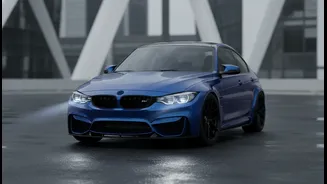
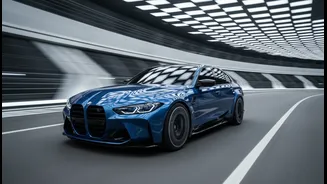
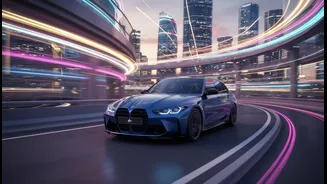
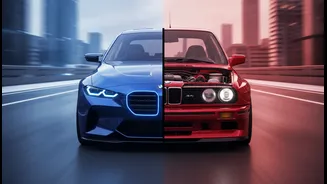
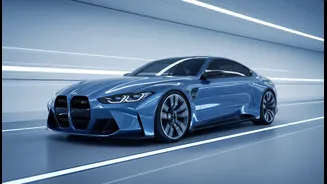
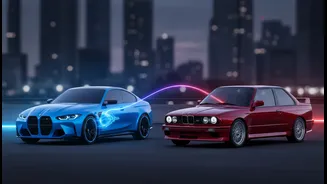
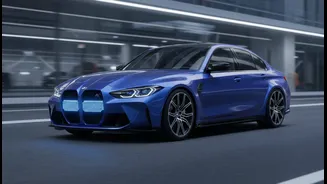
In a move that signals a major strategic pivot, BMW has confirmed it will split the future of its most iconic performance car. The next-generation M3 will arrive in two distinct forms: first, a ground-up, fully electric model due around 2027, followed
by a completely separate internal-combustion-engine (ICE) variant powered by a fresh inline-six. This dual-platform strategy is BMW's answer to a rapidly changing automotive world, allowing it to cater to both the growing electric vehicle market and its loyal base of petrol-engine enthusiasts. As confirmed by BMW M CEO Frank van Meel, the brand is going to the extremes with both powertrains, avoiding a hybrid compromise for its flagship sports sedan.
The Electric Heart: Neue Klasse Power
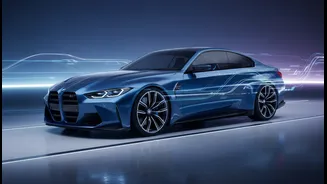
The first of the new M3s to arrive will be the all-electric version. It will be built on BMW’s highly anticipated ‘Neue Klasse’ architecture, a dedicated EV platform designed for maximum performance and efficiency. Early indications suggest a truly formidable machine, with a quad-motor setup—one for each wheel—that enables incredibly precise, software-controlled torque vectoring. This setup could deliver staggering performance figures, with some reports suggesting power outputs could be in the 800-900 horsepower range. BMW insists that despite the silent propulsion, it will drive like a true M car, focusing on handling dynamics and driver engagement. To preserve the sensory experience, the company is even developing features like simulated gear shifts to provide feedback for the driver.
The Six-Cylinder Roars On
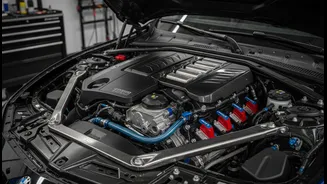
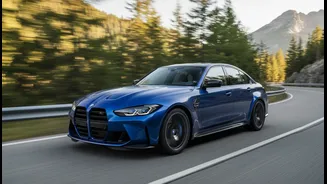
For those who believe an M3 isn't an M3 without pistons, BMW has a clear message: the inline-six is not dead. Following the EV's debut, a new petrol-powered M3, internally codenamed G84, will launch. This won’t be a leftover model but a new development based on the current car's architecture, featuring an updated S58 twin-turbo 3.0-liter inline-six engine engineered to meet future emissions standards like Euro 7. This ensures the classic M3 experience—the sound, the response, the mechanical connection—will continue. While some reports suggest this version may be automatic and all-wheel-drive only, BMW M's boss has expressed a desire to keep the manual transmission for as long as possible, citing the driving emotion it provides.
A Strategy of Choice
Why build two completely different cars under the same legendary name? The answer lies in BMW's global strategy, dubbed the "Power of Choice." The company recognizes that the transition to electric vehicles is happening at different speeds in different parts of the world. Regulations in Europe are pushing for electrification, while markets like the United States still have strong demand for high-performance combustion engines. By developing both an EV and an ICE M3 simultaneously, BMW hedges its bets. It avoids alienating its traditional customer base while also future-proofing its most important performance brand. It's an expensive and complex strategy, but one that allows customers, not the company, to decide what the future of performance driving looks like.
Timeline for a New Era
The transition will begin with the end of the current G80 M3's production in 2027. The all-electric M3, internally coded ZA0, is slated to begin production around March 2027. This will be the first M3 of the new generation that customers can buy. Then, there will be a short gap before the gasoline-powered G84 M3 is expected to enter production in the summer of 2028. This staggered launch allows BMW to put the spotlight on its electric future first, before reassuring traditionalists that the car they love will continue, albeit in a renewed form. This staggered release ensures that for a time, buyers will have two very different, but equally potent, M3s to choose from.