


The Magic of Gochujang
Gochujang is a staple condiment in Korean cooking, revered for its incredibly complex flavor profile. It's not just about heat; it's a thick, sticky paste made from red chili powder (gochugaru), glutinous rice, fermented soybean powder, and salt. This
mixture is traditionally fermented, a process that develops a subtle sweetness from the rice starches and a deep, savory umami taste from the soybeans. The result is a condiment that hits multiple notes at once: spicy, sweet, salty, and profoundly savory. Unlike thinner hot sauces, gochujang has a concentrated flavor and is best used as a base for marinades and sauces rather than a finishing condiment.
Why It Transforms Tofu
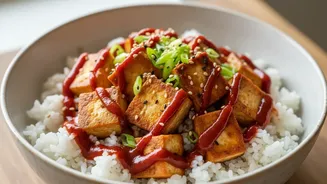
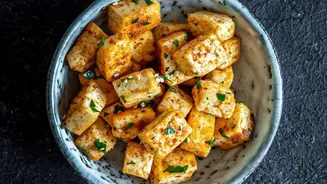
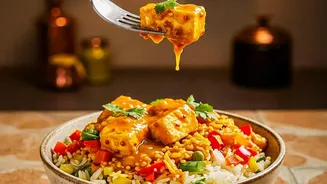
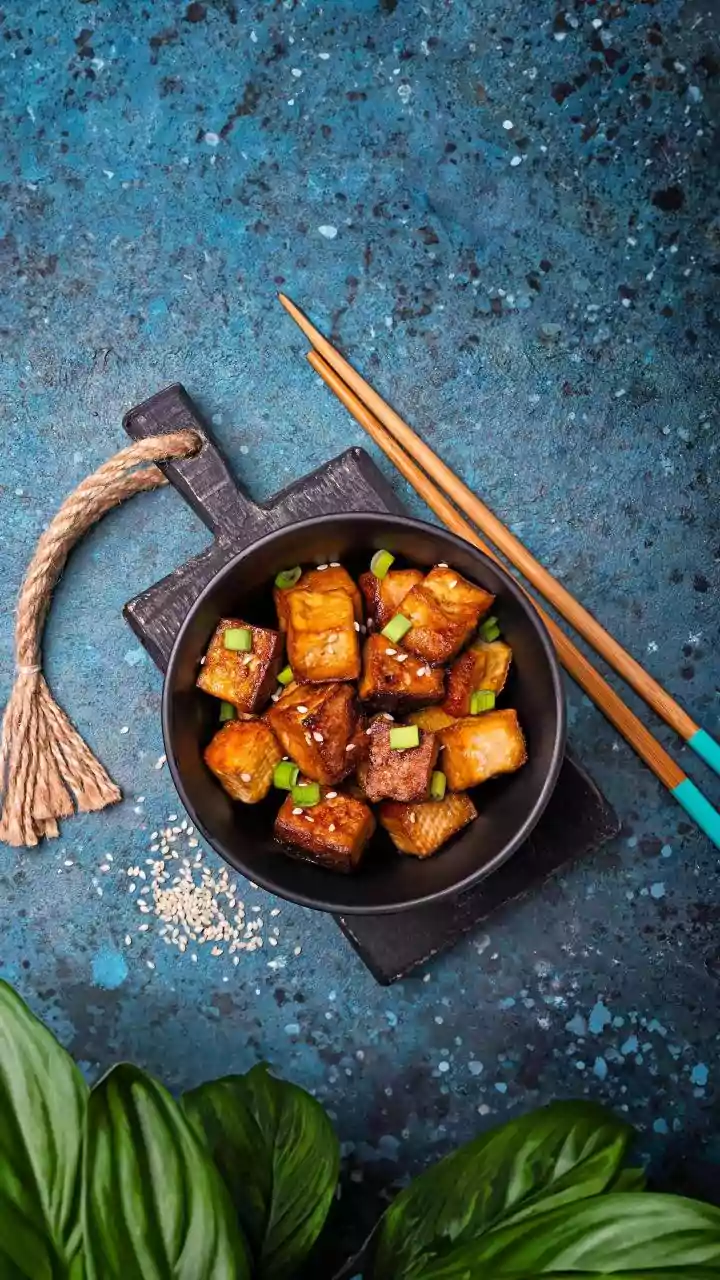
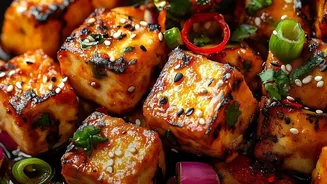
Tofu, with its neutral flavor and porous texture, is the perfect canvas for a bold ingredient like gochujang. On its own, tofu can be bland, but it readily absorbs the flavors of whatever it’s cooked with. A gochujang-based sauce clings to every surface, infusing the tofu with its signature sweet and spicy funk. When cooked, the sugars in the sauce help the tofu caramelize, creating wonderfully crispy and chewy edges that provide a satisfying textural contrast to the soft interior. Using cornstarch to coat the tofu before cooking is a popular technique to achieve an even crispier result that holds up well after being tossed in the sauce.
Crafting the Perfect Gochujang Sauce
Creating a balanced sauce is key. While gochujang is the star, it needs supporting ingredients to round out its intense flavor. A typical sauce for a tofu bowl starts with gochujang paste, which you can adjust depending on your preferred spice level. To this, add soy sauce or tamari for saltiness and depth, sesame oil for nutty aroma, and minced garlic and ginger for a fresh, aromatic kick. Finally, a touch of sweetness from maple syrup, honey, or agave nectar balances the heat and salt, making the sauce incredibly addictive. Whisk these ingredients together until smooth. Some recipes also include rice vinegar for a hint of acidity or even ketchup for a sweeter, thicker glaze.
Building a Better Bowl
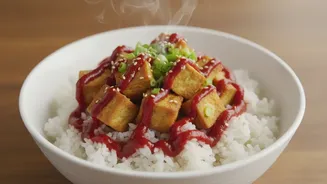
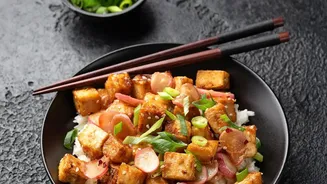
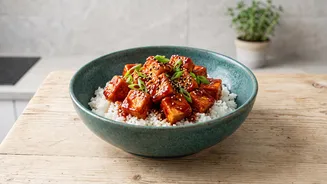
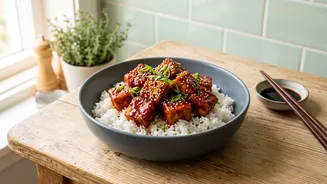
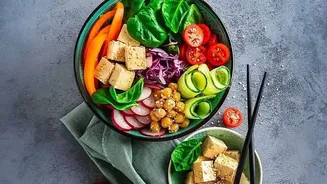
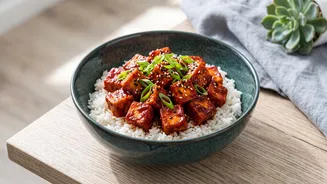
Once your tofu is cooked and coated in that glossy red sauce, it's time to assemble your bowl. Start with a bed of warm steamed rice—short-grain rice is a great choice. Next, add the crispy gochujang tofu. The rest of the bowl is an opportunity for color, texture, and nutrition. Steamed or blanched vegetables like broccoli, spinach, and bean sprouts are excellent additions. For fresh, crunchy contrast, consider thinly sliced cucumbers, grated carrots, or quick-pickled radishes. Don’t forget the garnishes, which add the final layer of flavor and visual appeal. A sprinkle of toasted sesame seeds and freshly sliced green onions are classic choices that complete the dish beautifully.