
The Journey Begins at Jagatsukh
The adventure to the base of the 6,001-metre Deo Tibba peak begins not in Manali itself, but from the ancient village of Jagatsukh, once the capital of the Kullu valley. A drive of about an hour or two takes you from the bustling town, past the Allain
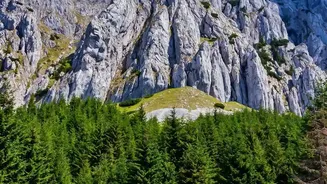
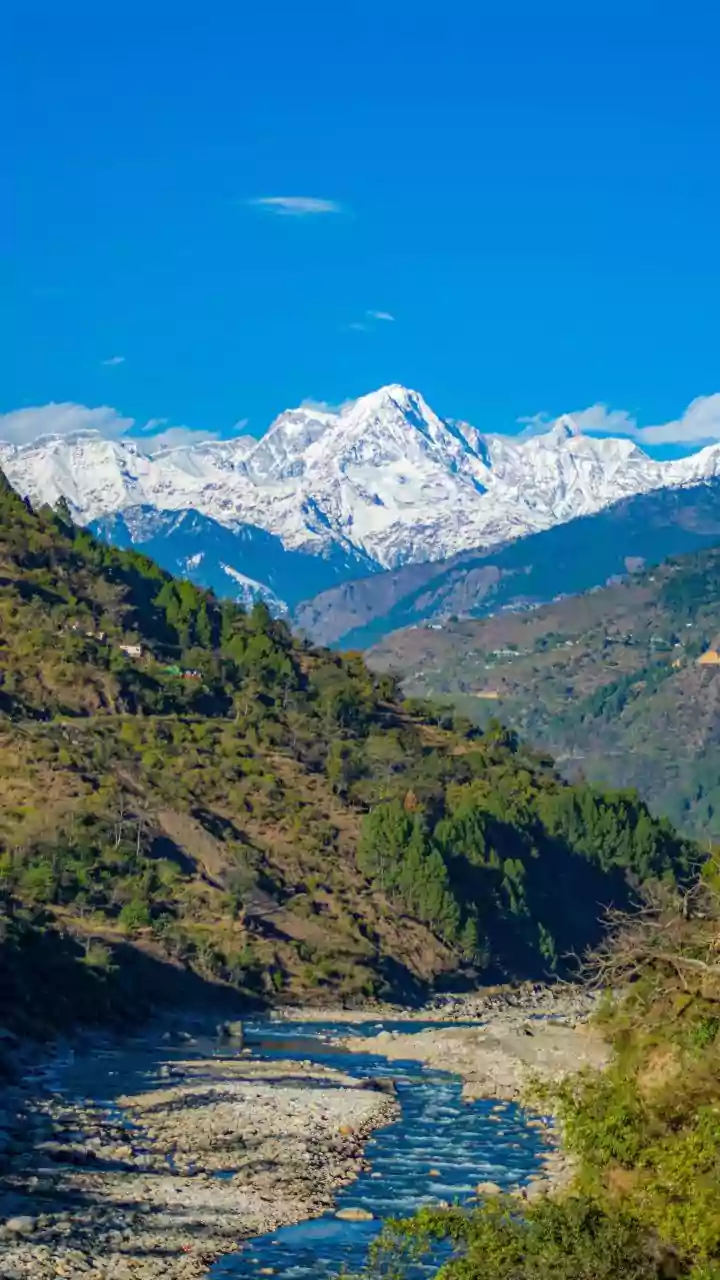
Duhangan hydro project, to the roadhead at Khanol. This short journey itself is a transition, as the landscape quickly sheds its urban character for dense forests of pine, oak, and fir. From here, the trek officially starts, immediately immersing you in a world governed by the rhythm of your own footsteps and the sound of the rushing Duhangan stream.
A Gentle Ascent to Chikka
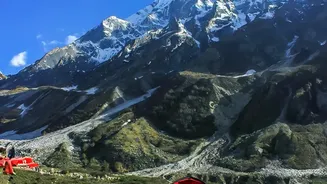
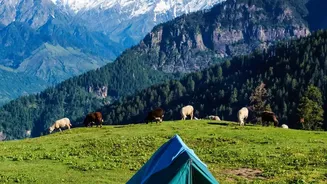
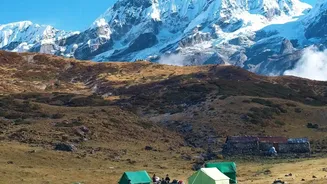
The first day on the trail is a relatively gentle introduction to the trek. The path winds gradually upwards through a thick forest, with the crystal-clear river as a constant companion. After a few hours of walking, the tree line begins to thin, opening up to the campsite at Chikka. Situated at an altitude of around 3,200 meters, Chikka is a small clearing known for its Nag Mandir and is a significant spot for locals. It's the first taste of true alpine camping, with spectacular views and the promise of the greater wilderness that lies ahead. The moderate incline makes it an ideal acclimatization walk before pushing into higher altitudes.
The Astonishing Plains of Seri
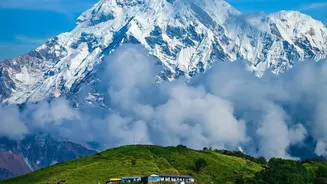
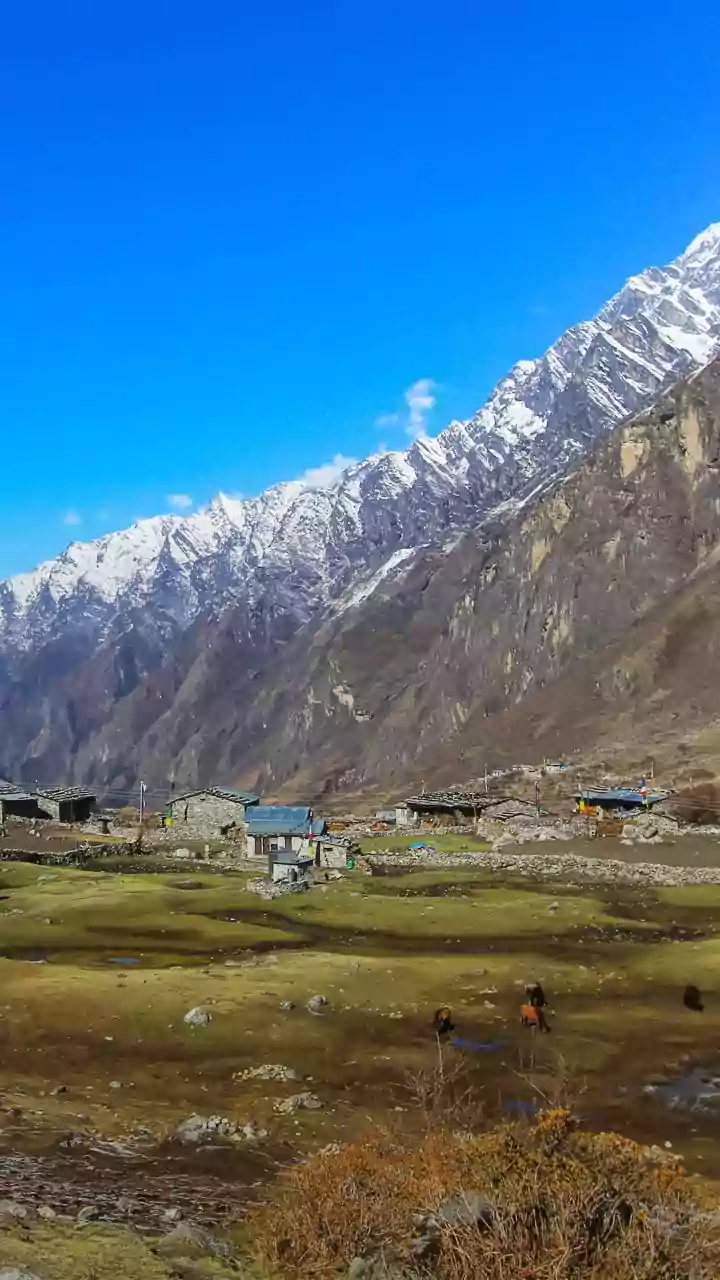
Day two presents one of the trek's most dramatic and memorable landscape shifts. As you leave Chikka, the trail continues along the river bank before the forest gives way entirely. Suddenly, you find yourself entering Seri, a vast and flat meadow that was once a glacial lake. This expansive, grassy plain, carpeted with wildflowers and crisscrossed by streams, feels like a hidden paradise. The sight is breathtaking, with the Tainta waterfall in the distance and snow-capped peaks framing the horizon. Camping at Seri is a highlight, offering a sense of scale and openness that contrasts sharply with the enclosed forest trails of the previous day.
Into the High Altitude Zone
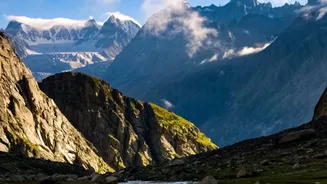
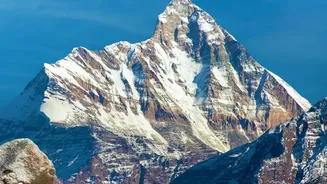
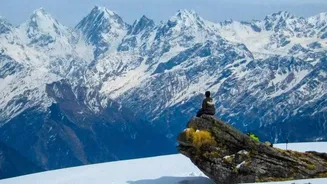
From Seri, the trek's character changes again. The trail becomes steeper and more challenging as it climbs towards the next camp at Tainta. This section involves navigating bouldered paths and moraine ridges—the rocky debris left behind by glaciers. It's here that the trek truly earns its 'far removed' reputation. The terrain is rugged, the air gets thinner, and the views are dominated by the imposing presence of the Deo Tibba and Indrasan peaks. You are now in a high-altitude desert of rock and ice, a landscape that feels raw and untouched by time. The campsite at Tainta is perched in a closed valley, offering a feeling of profound solitude.
The Crown Jewel: Mini Chandratal
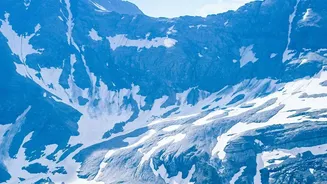
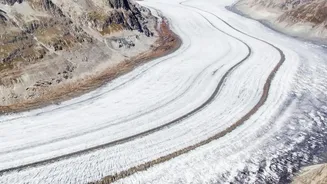
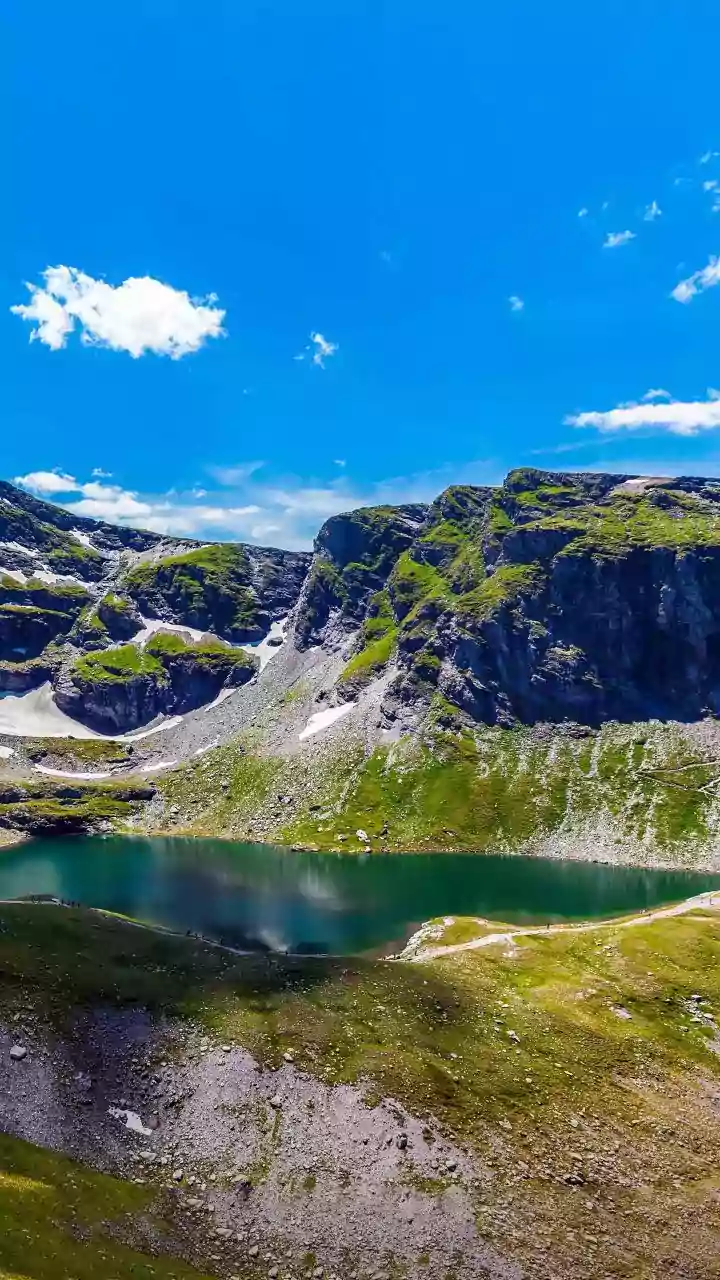
The final push from Tainta is an excursion to the Deo Tibba Base Camp and the stunning Mini Chandratal lake. Situated at an altitude of approximately 4,480 meters, this small, emerald-blue glacial lake sits at the foot of the massive Deo Tibba glacier. Reaching this point is the ultimate reward. The panoramic view is staggering: the sheer ice falls of the glacier, the dome-shaped summit of Deo Tibba, and the pristine waters of the lake create a scene of awe-inspiring beauty. It is a place that feels completely disconnected from the world below, a true sanctuary for those seeking the solitude and grandeur of the high Himalayas before beginning the descent back to civilization.