





The Irresistible Call of the Wild
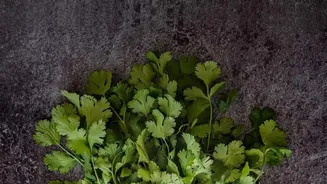
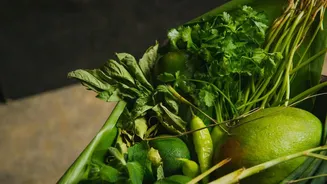
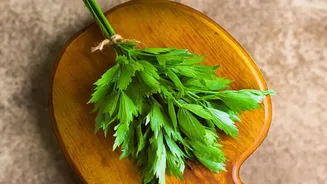
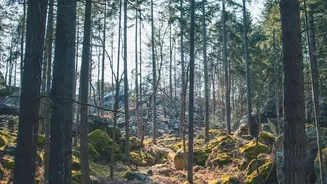
There’s a certain magic to food gathered from the wild. Whether it’s the earthy depth of a morel mushroom, the sharp zest of a wild berry, or the fresh bite of forest greens, these ingredients offer flavours that are often more complex and vibrant than
their cultivated counterparts. The trend has been embraced by top chefs and home cooks alike, driven by a desire for unique tastes and a closer connection to nature. Foraging feels like a callback to an older, more intuitive way of living, promising not just a meal but an experience. It involves a walk in the woods, a treasure hunt for nature’s pantry, and the satisfaction of bringing something truly special to the table. This romantic notion, however, is only half the story; the other half involves significant risk and responsibility.
The Critical Danger of Misidentification
The single most important rule of foraging is absolute certainty. Many delicious and safe wild foods have toxic doppelgängers, and a mistake can be devastating. The infamous Death Cap mushroom (Amanita phalloides), for example, is responsible for the majority of fatal mushroom poisonings worldwide and can be mistaken for edible varieties like the Paddy Straw mushroom. Similarly, delicious true morels have a poisonous look-alike in false morels, which contain toxins that can cause severe illness. Symptoms of poisoning can range from gastrointestinal distress to liver failure and death. Relying on a single photo from an app or a vague memory is a gamble no one should ever take. Experts advise that you should never eat anything you cannot identify with 100% certainty, a process that often requires cross-referencing multiple field guides and learning from seasoned foragers.
Harvesting with Ecological Respect
Responsible sourcing extends beyond personal safety to the health of the forest itself. Over-harvesting can decimate plant populations and disrupt delicate ecosystems. Foragers are encouraged to follow principles of sustainability, often summarised by ethical guidelines. A common rule is to harvest only a small fraction—some say 5% or one in twenty—of what is available in a given patch, ensuring the plant community can regenerate. It is crucial to never uproot plants unless you have permission and are following specific sustainable practices, and to avoid damaging the surrounding habitat. This also means being aware of a plant's local status; a species that is abundant in one area might be rare or threatened in another. Truly sustainable harvesting is an act of stewardship, ensuring that these wild resources remain for future generations and for the wildlife that depends on them.
Your Guide to Getting Started Safely
For those inspired to explore the world of wild foods, the journey must begin with education, not a basket and a guess. The safest way to learn is by joining guided walks with experienced local foragers who can teach you how to identify plants in person. Invest in reputable, region-specific field guides—plural, as cross-referencing is key—rather than relying solely on potentially inaccurate phone apps. Start by learning to identify a few common, unmistakable species and become intimately familiar with them and any potential look-alikes. Always be aware of your location, avoiding areas near roadsides or industrial sites where plants could be contaminated with pollutants. And remember the cardinal rule: when in doubt, leave it. A photograph is a much better souvenir than a trip to the emergency room.
The Role of the Conscious Consumer
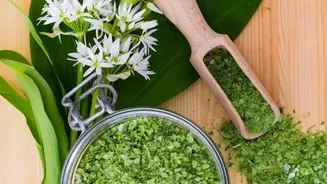
Even if you never plan to forage yourself, you are still part of this ecosystem as a consumer. The rising popularity of wild ingredients in restaurants has put pressure on some species, like ramps, leading to over-harvesting. When you see foraged items on a menu or at a market, don't be afraid to ask questions. Inquire where the ingredients came from and how they were sourced. Responsible suppliers and chefs will be transparent about their practices. Look for certifications like FairWild, which ensure that wild plant ingredients are harvested ethically and sustainably. By supporting businesses that prioritise responsible sourcing, you use your purchasing power to protect wild habitats and encourage a food culture that values nature not just for its bounty, but for its intrinsic worth.