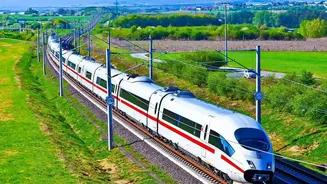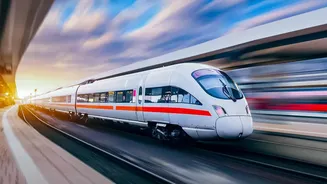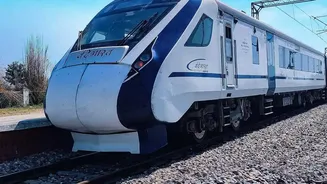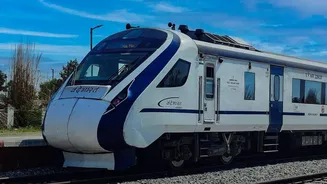




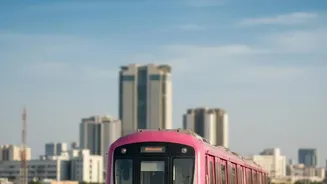

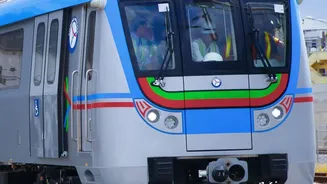
The proposed Delhi-Panipat Namo Bharat corridor promises to slash travel times, but its biggest impact might be on the region's property market. New stations could unlock development, but will they deliver the expected value gains for investors?
The Vision: A High-Speed Connection
At the
heart of the excitement is the Delhi-Panipat Regional Rapid Transit System (RRTS), a key infrastructure project designed to drastically reduce travel time between the national capital and industrial hubs in Haryana. Part of the broader Namo Bharat network, this high-speed rail line aims to create a seamless connection covering approximately 103 kilometres. By offering a reliable and fast alternative to congested highways, the corridor is expected to decongest roads, reduce pollution, and make daily commuting a far more manageable affair. The project envisions integrating urban nodes across Delhi, Sonipat, and Panipat, effectively creating a single, cohesive economic zone where distance is measured in minutes, not hours. This fundamental shift in connectivity is the primary driver behind the anticipated real estate boom along its path.
Pinpointing the Potential Hotspots
The true impact on property markets will be felt most acutely around the proposed station locations. While the final alignment is subject to official approvals, key nodes expected along the route include Murthal, Gannaur, and Samalkha, culminating in Panipat. These areas, once considered distant suburbs, are now being viewed through the lens of 'Transit-Oriented Development' (TOD). The core idea of TOD is to create vibrant, walkable communities centred around high-quality train systems. Planners and developers are eyeing these station areas for future integrated projects, including residential apartments, commercial office spaces, retail centres, and entertainment facilities. The promise of being able to live, work, and shop within a short distance of a rapid transit station is a powerful draw for future homebuyers and businesses alike, instantly elevating the long-term potential of these locations.
Lessons from a Working Blueprint
To understand what the future might hold for the Panipat corridor, one only needs to look at the operational sections of the Delhi-Ghaziabad-Meerut Namo Bharat line. In areas like Sahibabad, Ghaziabad, and Duhai, the launch of RRTS services has already acted as a significant catalyst for real estate activity. Reports from these regions indicate a tangible uptick in both property prices and rental demand, particularly for homes within a one- to two-kilometre radius of the new stations. This existing blueprint provides a compelling case study. It demonstrates that the value proposition is real and that infrastructure-led growth is not just a theoretical concept. Developers and investors are betting that the Panipat line will replicate this success, transforming dormant land parcels into thriving residential and commercial micro-markets.
Why the Gains Remain 'Uncertain'
Despite the optimism, the headline's note of caution is crucial. The journey from a proposed plan to a fully operational corridor with appreciated property values is long and fraught with variables. Firstly, major infrastructure projects are often subject to delays related to land acquisition, funding approvals, and complex construction challenges. Any significant extension of the project timeline could dampen investor sentiment and slow down price growth. Secondly, property value is not built on connectivity alone. The development of supporting social infrastructure—such as schools, hospitals, local roads, and reliable utilities—is essential. If a station opens but the surrounding area lacks these basic amenities, its appeal will be limited. This co-dependence between the RRTS project and local urban development is the biggest source of uncertainty.
The Investor's Long-Term Play
For potential investors and homebuyers, the situation presents both an opportunity and a dilemma. Getting in early, before the project is completed, typically offers the highest potential for returns. However, it also carries the most risk. The market is currently driven by speculation and future promise rather than present-day reality. A prudent approach involves thorough due diligence. This means focusing on projects by reputable developers, verifying land titles, and understanding the phased development plans for the area around a proposed station. The Delhi-Panipat corridor is not a get-rich-quick scheme; it is a long-term investment play. The most successful investors will be those who have a multi-year horizon and who base their decisions on the project's steady progress rather than on initial hype.