



Identifying African Jasmine
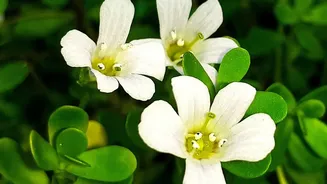
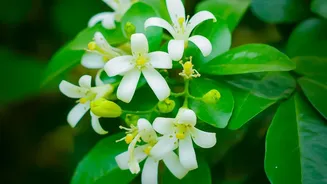
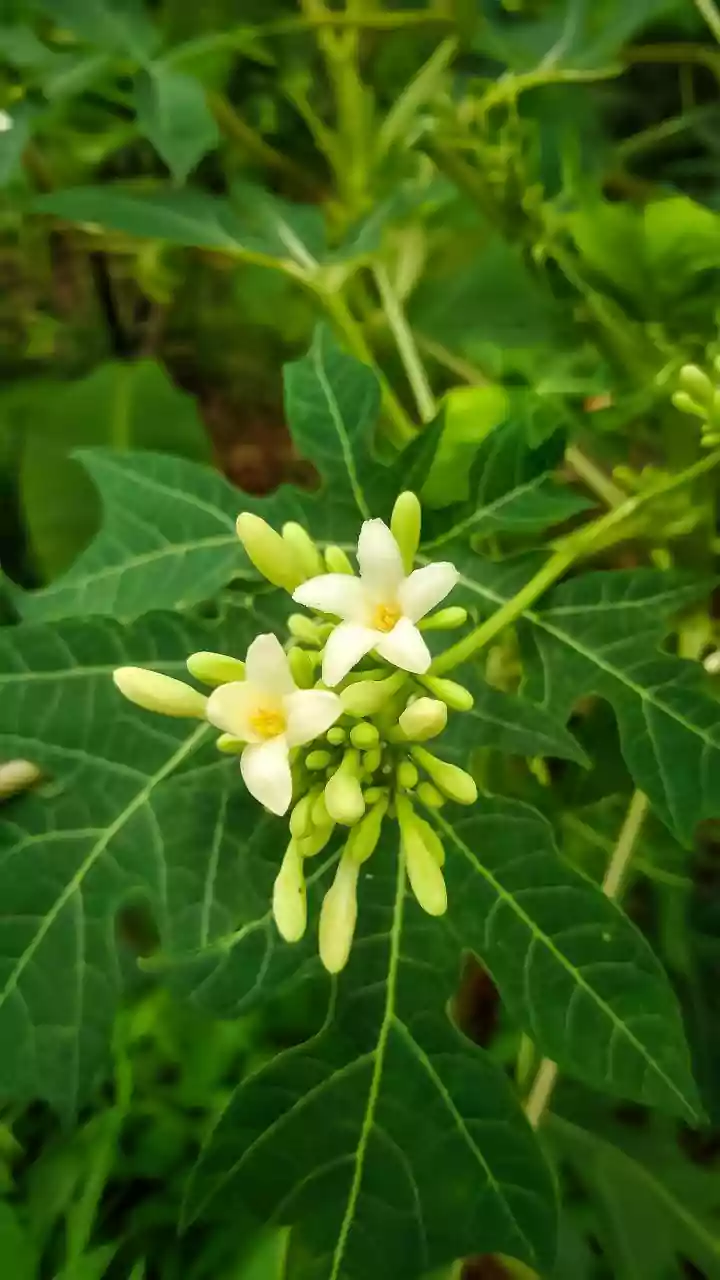
The name 'African Jasmine' can refer to a few different species, but it is often associated with plants like Jasminum angulare or Jasminum tortuosum. These are vining shrubs known for their glossy, dark green leaves and clusters of delicate, star-shaped
white flowers. The flowers are prized not just for their beauty but for their sweet, captivating fragrance that can fill a room. These plants have a scrambling or climbing habit, making them incredibly versatile for decorative purposes indoors. Unlike some larger jasmine varieties, their growth can be managed within a pot, making them ideal for home environments.
Essential Care for a Thriving Plant
To keep your jasmine healthy and encourage it to bloom, providing the right care is crucial. These plants thrive in bright, indirect light, so placing them near a sunny window is ideal. They prefer consistently moist but well-draining soil; you should water the plant when the top inch of soil feels dry to the touch. Avoid letting the pot sit in water, as this can lead to root issues. A standard indoor temperature of around 18–24°C is perfect. During the spring and summer growing season, you can feed your jasmine with a balanced houseplant fertiliser every few weeks to support growth and flowering. Pruning after the plant blooms will help maintain its shape and encourage bushier growth.
Styling Jasmine as a Decor Accent
The vining nature of jasmine is what makes it such a dynamic decor element. One of the most popular ways to style it is by training it to climb a small indoor trellis or a moss pole. This creates a stunning vertical green feature that can liven up any corner. You can also place the pot on a high shelf or in a hanging basket, allowing the vines to cascade down gracefully for a dramatic, whimsical effect. For a simpler approach, let the vines trail across a mantelpiece or bookshelf, weaving them around other decorative objects. You can even use small, clear clips or pins to guide the vines up a wall, creating a living piece of art.
The Power of Natural Fragrance
One of the primary 'uses' of keeping a jasmine plant at home is its incredible scent, which functions as a natural air freshener. The fragrance is known to have a calming effect, helping to relieve stress and improve mood. Placing a jasmine plant in a living room can create a welcoming and serene atmosphere for guests, while having one in the bedroom can promote relaxation and better sleep. The scent is most potent in the evenings, offering a delightful sensory experience as you unwind for the day. This aromatic benefit elevates the plant from a simple visual accent to a functional element that enhances your well-being.
Beyond Decoration: Other Uses
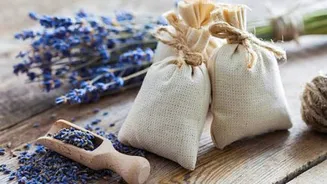
While its ornamental and aromatic qualities are its main draw for home growers, the jasmine genus has a rich history of other uses. The flowers are famously used to produce essential oils for aromatherapy and perfumes. Jasmine oil is also incorporated into skincare products for its moisturising and soothing properties. In various cultures, jasmine flowers symbolise love, purity, and positivity, and are often used in ceremonies and celebrations. Though you may not be harvesting your houseplant for these purposes, understanding its broader significance adds another layer of appreciation for this versatile and cherished plant.