




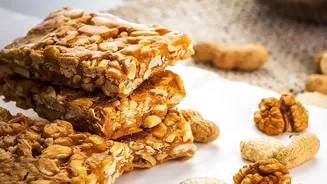
The Deception of a Hot Peanut
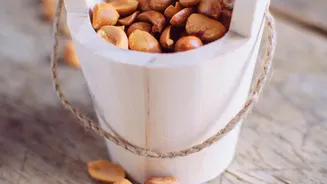
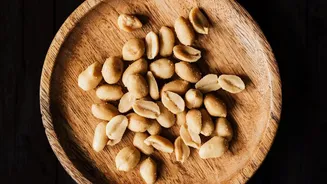
When peanuts are pulled directly from the heat of the oven, they are not at their best, texturally speaking. While the colour may be a perfect golden-brown and the nutty aroma fills your kitchen, the inside is still soft and even a little steamy. This
is because the roasting process drives moisture from the inside of the nut to the surface, and the internal structure is still pliable from the heat. Biting into a peanut at this stage is a test of its potential, not its final state. Many home cooks make the mistake of thinking they've under-roasted their batch and return them to the oven, which often leads to scorching. The reality is that the transformation into a truly crunchy snack is a chemical and physical process that happens only after the heat is gone.
The Science of the Snap
The journey to crunchiness is a fascinating scientific process. Roasting does more than just heat the peanut; it initiates a series of chemical reactions. The most famous of these is the Maillard reaction, where amino acids and sugars react to create the deep, complex flavours and brown colours we associate with roasted foods. Crucially, roasting also significantly reduces the peanut's internal moisture content. When the peanuts are removed from the oven and begin to cool, this process goes into its final phase. As the temperature drops, the natural fats and sugars within the peanut, which became fluid and mobile when hot, begin to solidify and crystallize. The starches, which gelatinized during roasting, start to firm up in a process known as retrogradation. This structural change, combined with the low moisture content, is what creates the brittle, crunchy texture we crave.
Carryover Cooking and Cooling
An important concept in roasting is 'carryover cooking'. Peanuts, like a thick steak or a large roast, retain a significant amount of heat after being removed from the oven. They will continue to cook for several minutes, and the colour can deepen slightly. This is why it’s best to pull them when they are fragrant and a shade lighter than your desired final colour. Allowing them to cool completely on the baking sheet in a single layer is the best practice. This method ensures that air circulates freely, allowing moisture to evaporate from the surface and the internal temperature to drop evenly. Spreading them out prevents them from steaming each other, which would trap moisture and lead to a softer, chewier result. The cooling period isn't just a passive wait; it's an active step in the cooking process.
How Long is Long Enough?
So, how long must you wait to test for that perfect crunch? The answer is simple: wait until the peanuts have cooled completely to room temperature. Depending on the size of your peanuts and the ambient temperature of your kitchen, this could take anywhere from 10 to 30 minutes, or even longer. A hot or even warm peanut will never give you an accurate sense of its final texture. You can test one after about 10 minutes, but for the definitive crunch, patience is key. Once they are fully cool, they should snap cleanly when you bite into them. If they are still soft after cooling completely, it's more likely an indication that they were under-roasted to begin with or were perhaps stale before you started.
Tips for the Ultimate Roast
Achieving the perfect crunch starts with a good roast. Always arrange your raw peanuts in a single, even layer on a large, rimmed baking sheet. This prevents steaming and ensures every peanut roasts evenly. A moderate oven temperature, typically around 175°C (350°F), is ideal for a steady roast that cooks the nut through without burning the outside. Stirring the peanuts at least once or twice during the roasting process also helps to promote even browning. Once roasted and fully cooled, store your peanuts in an airtight container to protect them from humidity, which is the enemy of crunchiness. Keeping moisture away will ensure your perfectly patient snack stays crisp for days.