





The Core Philosophy: Respect and Blessings
At its heart, touching feet is a physical expression of reverence. It is an acknowledgment of another's age, wisdom, and experience. By bowing, an individual symbolically sets aside their ego to honour the person before them, whether it be a parent, grandparent,
teacher, or spiritual guide. This tradition, believed to date back to the Vedic period, is rooted in the idea of receiving blessings or 'ashirwad'. Traditional beliefs suggest that positive energy flows from the elder to the younger person, conferring goodwill and fortune. It's a gesture that reinforces family ties and shows gratitude, often performed on important occasions like festivals, birthdays, or before starting a new venture.
Northern Norms vs. Southern Subtleties
The prevalence and style of touching feet differ noticeably between North and South India. In many parts of Northern and Central India, 'charan sparsh' is a frequent, almost reflexive, gesture of respect when greeting elders. It's a common practice integrated into daily interactions. In contrast, in many Southern communities, casually touching feet is less common. Respect is often conveyed through a 'namaskaram' with folded hands. Touching feet is typically reserved for very specific, significant occasions, such as weddings, major festivals, or seeking blessings from one's parents or grandparents on a birthday. When it is performed, it is often the 'sashtanga namaskar', a full prostration, which is considered a very formal and deep show of respect.
Beyond Geography: Community and Context
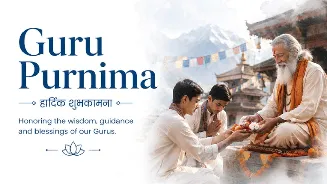
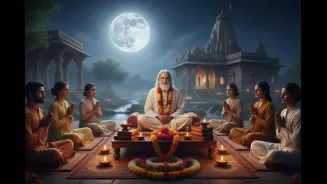
The practice is not just defined by geography but by specific communities and contexts. Within the 'Guru-Shishya parampara' (teacher-disciple tradition), touching the Guru's feet is a profound act of surrendering one's ego to receive knowledge. This is seen across various fields, from spirituality to classical music and dance. In some martial arts traditions, students touch the master's feet before beginning practice. The gesture's rules can also be highly specific within families. For instance, in some communities, it is considered inappropriate for daughters or daughters-in-law to touch the feet of certain elders, as they are sometimes viewed as manifestations of the goddess Lakshmi. This shows that the tradition is a complex language of respect with its own grammar and rules.
Different Methods for Different Moments
There isn't just one way to touch feet; the methods themselves carry meaning. The most common form involves bending forward to touch the feet. A more formal method is 'Panchanga Pranam', where one kneels before touching the feet, often used for teachers or spiritual figures. The most reverent form is the 'Sashtanga Pranam', which involves prostrating fully with eight parts of the body touching the ground. This is typically reserved for deities in temples and for the most respected spiritual masters. The choice of method depends on the person being honoured and the solemnity of the occasion, showing a graded system of demonstrating respect.
A Tradition in Transition
In modern India, the tradition of touching feet is evolving. For many in the younger generation, it can feel like a ritual performed out of habit rather than deep understanding. There are ongoing discussions about its relevance, especially concerning gender and perceived hierarchies. Some feel uncomfortable when younger people touch their feet, viewing it as an outdated sign of servility. Others argue that the act should be based on genuine respect for a person's character, not just their age. Despite these debates, the practice endures because it fulfils a deep human need to show gratitude and seek goodwill. Whether performed daily or only on special occasions, it remains a powerful, non-verbal expression of connection across generations.