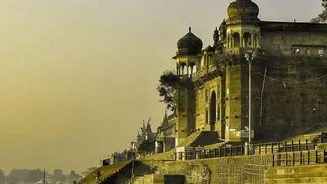



The Situation on the Ground
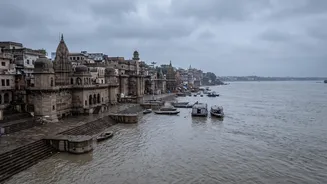
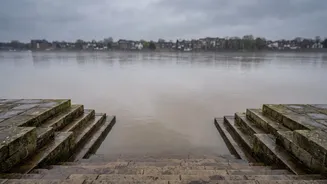
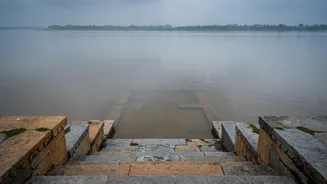
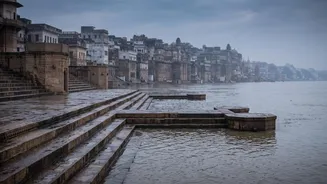
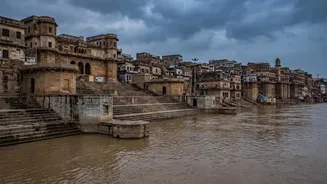
As of early September, the Ganga River's water level in Varanasi has officially crossed the warning mark. According to the Central Water Commission, the river was recorded at 70.54 meters on Thursday morning, above the warning threshold of 70.26 meters,
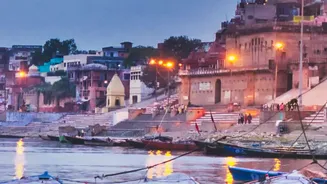
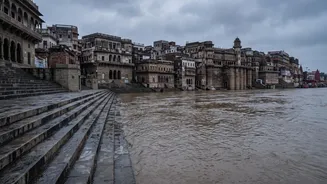
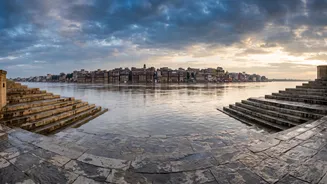
and it continues to rise at a rate of about two centimeters per hour. While still below the official danger level of 71.26 meters, the rising water has already had a profound impact. All 84 of the city's famed ghats—the long staircases leading to the river—are at least partially submerged. Authorities have suspended all boating operations as a safety precaution and have urged residents and pilgrims to stay away from the river's edge due to strong currents.
Where Life and Death Meet the Water
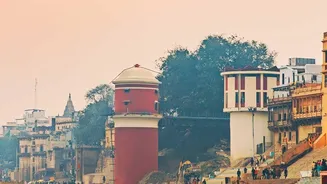
To understand the gravity of the situation, one must understand Varanasi's unique relationship with its river. For millions of Hindus, the Ganga is a goddess, and the city of Varanasi is the most sacred place to live, die, and be cremated. The ghats are the center of this spiritual universe. They are a constant theater of life, hosting everything from morning baths and daily prayers to the evening's spectacular 'Ganga Aarti' ceremonies. Most significantly, they are home to Manikarnika and Harishchandra ghats, the primary sites for open-air cremations, believed to grant moksha, or liberation from the cycle of rebirth. When the Ganga floods, it doesn't just inundate stone steps; it disrupts the very heart of this ancient faith.
A Disruption to Sacred Rites
The impact on these timeless rituals is dramatic. With the lower platforms of Dashashwamedh Ghat submerged, the famed evening Ganga Aarti has been relocated to higher ground and nearby rooftops. Even more profoundly, the flooding has severely hampered funeral rites. Manikarnika Ghat, one of the main cremation sites, is completely inundated. Families arriving to perform last rites for their loved ones are forced to navigate knee-deep water and sludge. Instead of being carried on shoulders down to the pyres, bodies are being transported by boat to the rooftops of adjacent buildings, where cremations are now taking place in makeshift arrangements. This dislocation of one of life's most sacred and somber moments underscores the flood's deep cultural impact.
An All-Hands-on-Deck Response
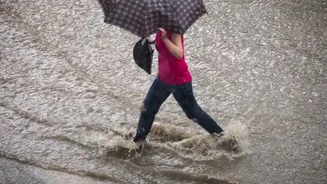
Local authorities are on high alert as the situation unfolds, with more heavy rain forecast for the coming days. The district administration has set up dozens of relief camps, complete with community kitchens and medical teams, preparing for potential evacuations. As of Thursday, flooding from the Ganga and the connecting Varuna River had affected nearly 30 villages and city wards, with authorities beginning to move thousands of people to safer locations. Teams from the National Disaster Response Force (NDRF) are on standby, and officials are conducting inspections by boat to monitor the most vulnerable low-lying areas. The situation has drawn national attention, with Prime Minister Narendra Modi, who represents Varanasi in parliament, speaking with local officials and directing them to conduct relief operations on a "war footing."