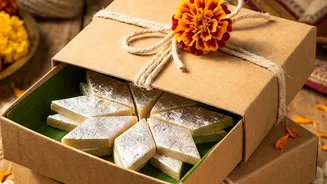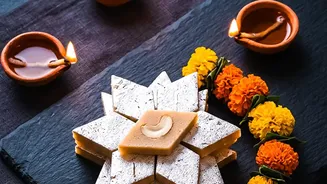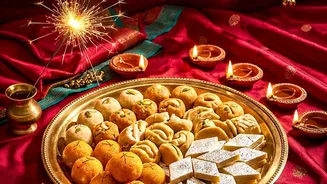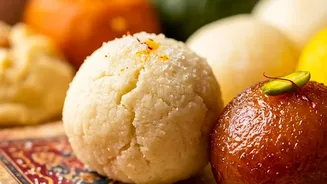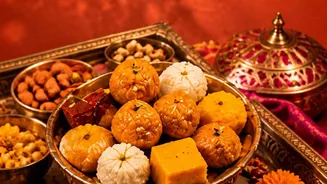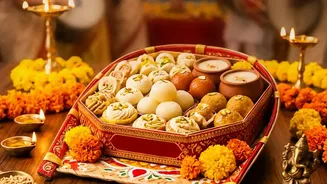





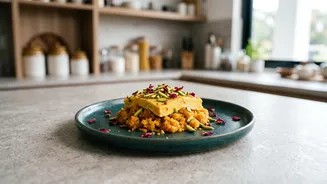
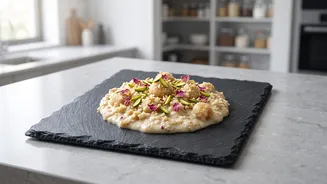
The festival lights have dimmed, but the boxes of mithai remain. While it's tempting to get creative with these delicious leftovers, food safety is paramount. Here’s how to safely enjoy every last bite of those festive sweets.
The First Step: A Safety Inspection
Before you even think about
recipes, a thorough check is crucial. Not all sweets are created equal, and their shelf life can vary dramatically. Your senses are your best guide. Visually inspect the mithai for any signs of mold—white, green, or black fuzzy spots. Discard the entire batch if you see any, as mold spores can contaminate more than what's visible. Next, pay attention to the smell. A sour, cheesy, or off-aroma is a clear indicator that the sweet, especially if it's milk-based, has spoiled and must be thrown out. Finally, check the texture. If a once-firm barfi or ladoo has become slimy, sticky, or unusually wet, it’s a sign of bacterial growth. When it comes to food, the most important rule is: when in doubt, throw it out. No recipe is worth the risk of food poisoning.
Know Your Mithai's Shelf Life
The key ingredient in a sweet determines how long it will last. Understanding this can help you prioritize what to eat first and what can be safely stored. Milk-based sweets (khoya/mawa): Items like peda, milk cake, kalakand, and most barfis are highly perishable due to their high moisture and dairy content. According to FSSAI guidance, sweets like kalakand should ideally be consumed on the day of preparation, while other milk-based sweets should be refrigerated and eaten within two to four days. Nut and ghee-based sweets: Sweets such as kaju katli, besan ladoo, and mohanthal have a much longer shelf life because they contain less water. These can typically last for about a week at room temperature if stored correctly in an airtight container. Syrup-based sweets: Gulab jamun and rasgulla should be kept submerged in their syrup, which acts as a preservative. They can last for a few days when refrigerated. If you notice the syrup has become cloudy or has bubbles, it's a sign of fermentation and should be discarded.
Smart Storage Is Non-Negotiable
Proper storage is essential for extending the life of your leftover mithai and keeping it safe. Perishable, milk-based sweets must be refrigerated promptly. The 'two-hour rule' is critical: never leave perishable foods at room temperature for more than two hours (or one hour in very hot weather). Store them in clean, airtight containers to prevent them from drying out and absorbing other odours from the fridge. For longer-lasting sweets like ladoos and nut-based barfis, a cool, dry place away from direct sunlight is sufficient. An airtight container is still the best choice to keep them from going stale and to protect them from moisture. Freezing is also an option for some sweets. Ghee and nut-based items like kaju katli and many ladoos freeze well for up to a month if wrapped individually and stored in a freezer-safe bag. However, avoid freezing milk or chhena-based sweets like rasgulla, as their texture can be ruined upon thawing.
Safe and Simple Repurposing Ideas
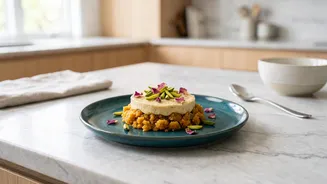
Once you've confirmed your mithai is safe to eat, you can give it a new life. The key is to use them in simple preparations that don't require complex cooking. Mithai Milkshake: This is perhaps the easiest way to use up leftover barfis or pedas. Simply crumble the sweets into a blender with chilled milk and a pinch of cardamom. Blend until smooth for a rich, delicious drink. Avoid using sweets that have been sitting out for too long. Ladoo or Barfi Crumble Topping: Crumble dry sweets like motichoor ladoo or coconut barfi and use them as a topping for yogurt, ice cream, or kheer. This adds a delightful texture and sweetness. Ensure the crumble is from mithai that has been stored correctly. No_Bake Cheesecake Base: Crushed digestive biscuits are a classic cheesecake base, but crumbled laddoos or barfis work beautifully too. Press the crumbled mithai into a dish to form a base, then top with a simple mix of hung curd or cream cheese. Chill and serve. Kulfi from Khoya Barfi: Since kulfi and barfi share a milk_based origin, you can blend khoya_based barfis with warm milk to create a paste, pour it into moulds, and freeze. This works best with fresh barfi.