




You Eat With Your Eyes First
It is an age-old saying, but modern research confirms its truth: we truly do eat with our eyes first. Before a food's aroma reaches us, and long before it touches our taste buds, our brain has already made a series of rapid judgments based purely on its appearance.
Visual cues are the most powerful initial influence on our food choices. Studies in consumer psychology show that the way food is presented can shape our expectations about its taste, quality, and even how filling it might be. A dish that is artfully plated and vibrant with colour is instinctively more appealing than one that looks bland and haphazardly assembled. This initial impression is so strong that it can set the stage for our entire eating experience, sometimes even overriding what we actually taste.
The 'Health Halo' of Pretty Food
One of the most fascinating aspects of food psychology is the 'health halo' effect. This is a cognitive bias where we perceive a food to be healthier than it actually is simply because it has one positive attribute. When it comes to presentation, beauty becomes that attribute. Research has shown that when a food is presented in a neat, orderly, or aesthetically pleasing manner, people tend to rate it as being healthier. For example, a recent study found that a dish with sauce placed neatly on the side was perceived as healthier than the exact same dish with the sauce drizzled all over it. This happens because our brains associate order, symmetry, and deliberate design with positive qualities like care, naturalness, and by extension, healthfulness. A beautiful cake seems less indulgent, and a perfectly layered smoothie bowl feels more virtuous, even if their nutritional content is identical to their 'uglier' counterparts.
The Power of Colour and Arrangement
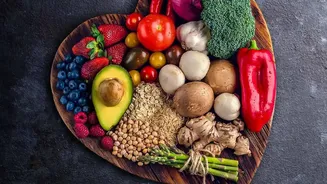
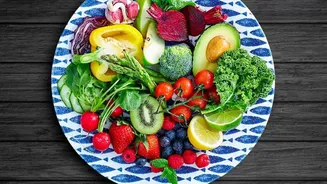
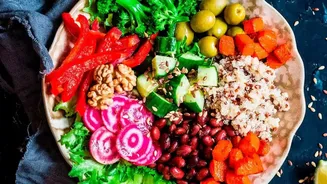
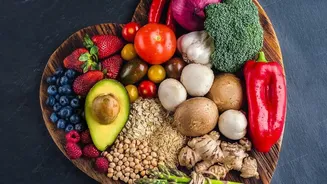
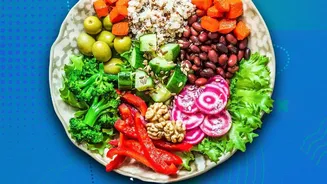
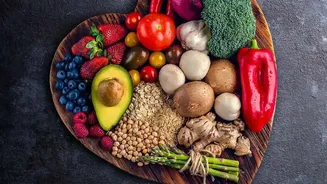
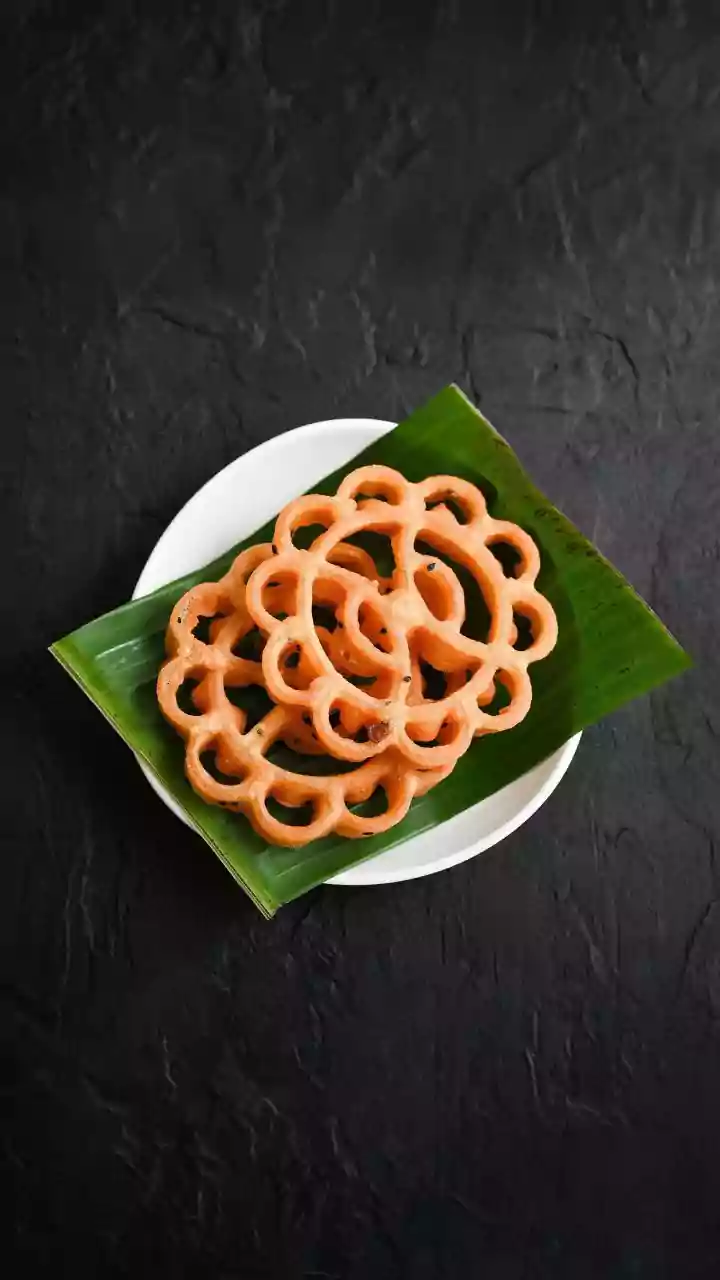
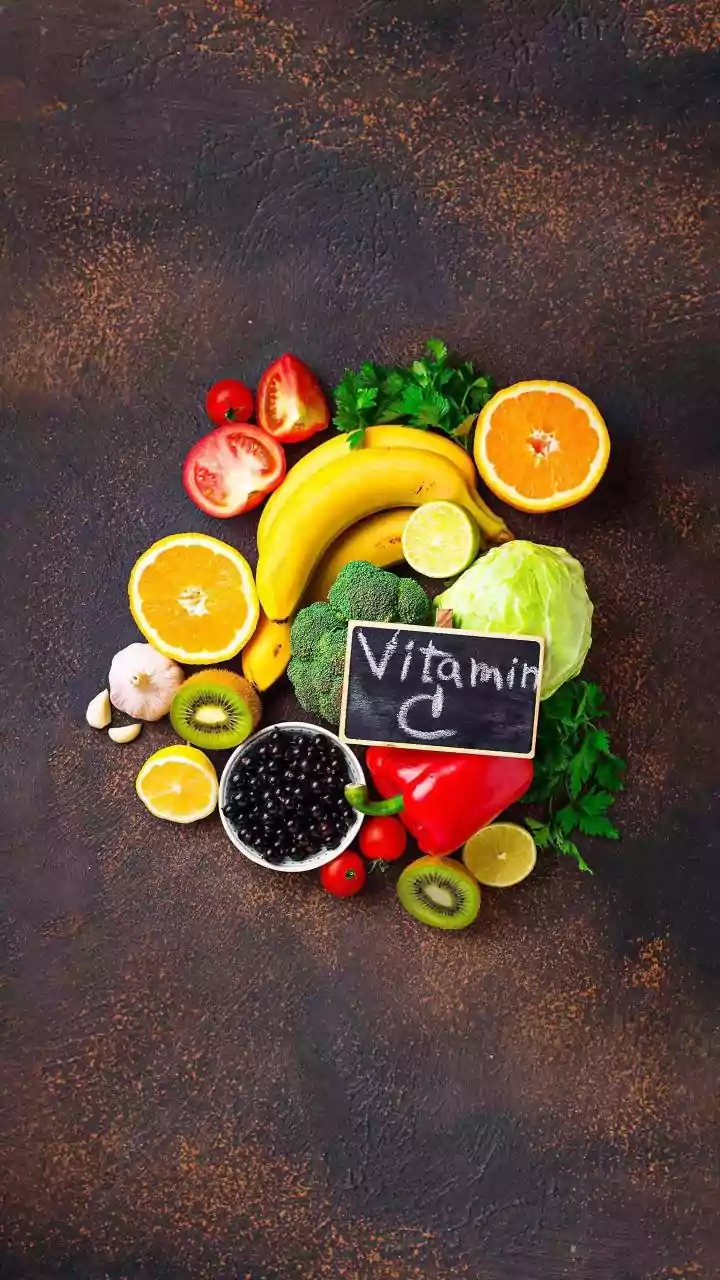
Beyond general neatness, specific visual elements play a key role. Colour is a primary driver of perception. Bright, natural colours like deep greens, vibrant reds, and sunny yellows are often associated with freshness and nutrient density, which is why a colourful salad is so appealing. Conversely, the colour blue is often cited as an appetite suppressant, possibly because very few foods in nature are blue. The arrangement of food on a plate also matters immensely. Symmetrical designs and clean lines are often perceived more positively. Even the plate itself has an effect; studies suggest that food served on round, white plates can be perceived as sweeter, while angular, dark plates may enhance savoury flavours. Food companies and restaurants invest heavily in understanding this, knowing that the right visual cues can make a product more desirable.
How Marketers Use Visuals to Influence Us
This knowledge is not just academic; it is a cornerstone of food marketing. The 'health halo' is frequently exploited on packaging. Words like 'organic' or 'gluten-free' create a halo that can make a high-sugar snack seem like a healthy choice. This extends to imagery. The perfectly styled, impossibly perfect burger in a fast-food ad or the gleaming, fresh-looking vegetables on a frozen pizza box are designed to trigger these positive visual biases. By making food look more natural, orderly, or vibrant, marketers can influence us to perceive it as healthier and, consequently, buy it. This can lead to us make poorer dietary choices, as we might underestimate the calories, sugar, or sodium in a product simply because it looks good or has a healthy-sounding claim on the front of the box.
Turn the Tables: Use Visuals for Good
Instead of being passive victims of visual deception, you can use these same principles to your advantage to foster healthier eating habits at home. If you or your family members are reluctant to eat vegetables, focus on improving their visual appeal. Arrange salads with a variety of colours and textures. Cut fruits and vegetables into interesting shapes for kids. Plating a simple home-cooked meal with a bit more care—wiping the edges of the plate, arranging the components thoughtfully—can make it seem more special and enjoyable. By making healthy food look more delicious and indulgent, you can trick your own brain into wanting it more. It is a simple, effective way to nudge yourself and your loved ones towards better nutrition without feeling like you are making a sacrifice.