


The Nutritional Showdown
When comparing these two vegetables, the biggest difference lies in their calorie and carbohydrate content. A cup of cooked butternut squash has about 82 calories and 22 grams of carbohydrates, while the same amount of cooked sweet potato contains around
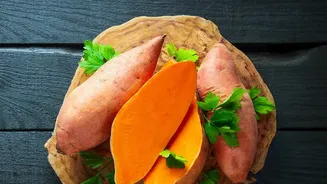
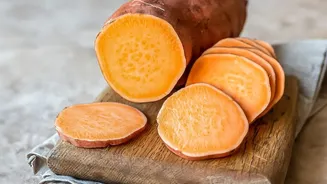
180 calories and 41 grams of carbs. This makes butternut squash a lighter option if you're watching your calorie intake. However, the sweet potato pulls ahead in several other key areas. It offers more protein (4 grams vs. 1.8 grams) and is significantly richer in potassium and Vitamin A. Both vegetables provide an excellent source of fiber, with a cooked cup of either containing about 6.6 grams, which is crucial for digestive health and feeling full.
Impact on Blood Sugar
For those managing blood sugar levels, the glycemic index (GI) is an important factor. Here, the way you cook your vegetable matters immensely. Butternut squash generally has a moderate GI of around 51. Sweet potatoes are more variable; a boiled sweet potato has a low GI of around 46, but baking it can raise the GI to 70 or higher as the heat converts starches into sugars. This makes boiled sweet potato and butternut squash more predictable choices for maintaining stable blood sugar. The high fiber content in both helps to slow down the absorption of sugar, mitigating sharp spikes.
Vitamins and Minerals
Both vegetables are champions of Vitamin A, an antioxidant essential for vision, immune function, and skin health. While both are packed with it, sweet potatoes tend to have a higher concentration. They are also both good sources of Vitamin C, which helps with immune defense and wound healing. Butternut squash offers a wealth of other nutrients, including calcium, magnesium, and vitamin B6. Sweet potatoes also bring manganese and other B vitamins to the table. Essentially, including either in your diet is a significant step towards meeting your daily micronutrient needs.
Taste, Texture, and Culinary Versatility
Beyond the numbers, the choice often comes down to taste and how you plan to use them. Sweet potatoes are distinctly sweeter and have a denser, starchier texture that becomes fluffy and creamy when cooked. This makes them ideal for roasting into wedges, mashing, or turning into baked 'fries'. Butternut squash has a milder, nuttier flavour and a more watery flesh. When cooked, it becomes silky and smooth, which is why it's a popular base for creamy soups, purees, and gratins. Roasting brings out a delicious caramelization in both vegetables.
So, Which One Should You Choose?
Ultimately, there is no single 'winner'. The best choice depends entirely on your personal health goals and culinary preferences. If you're focused on weight management or a lower-carb diet, butternut squash is the lighter option with fewer calories and carbs per serving. If you're looking for a more substantial, energy-dense option to fuel a workout or keep you full for longer, the sweet potato is an excellent choice. It also offers a slightly higher concentration of certain vitamins and minerals. Both are incredibly nutritious and versatile.