







The Power of Dietary Fibre
Dietary fibre is a type of carbohydrate that the body can't digest. It passes through your system relatively intact, but its journey provides a wealth of benefits. Experts recommend adults consume between 25 to 38 grams of fibre daily, though most people
get only about half of that. There are two types of fibre: soluble and insoluble, both of which are vital for health. Soluble fibre, which dissolves in water, can help lower cholesterol and regulate blood sugar levels. Insoluble fibre does not dissolve and helps promote regularity and prevent constipation. A high-fibre diet is linked to a lower risk of heart disease, type 2 diabetes, and certain cancers, and it plays a key role in maintaining a healthy weight by helping you feel fuller for longer.
Why Steel-Cut Oats Stand Out
All oats come from the same plant, but the way they are processed makes a significant difference. Steel-cut oats, also known as Irish or Scottish oats, are the least processed variety. They are made by chopping the whole oat groat into several pieces with steel blades. This minimal processing helps them retain more of their fibre and protein compared to more processed oats. Specifically, steel-cut oats are a fantastic source of a soluble fibre called beta-glucan, which is celebrated for its role in improving heart health and digestion. A single 1/4-cup (40g) dry serving of steel-cut oats can provide about 4 to 5 grams of dietary fibre, making a significant contribution to your daily needs.
The Oat Family: A Quick Comparison
Walking down the cereal aisle, you'll see steel-cut, rolled, and instant oats. While they're all healthy, they have key differences. Steel-cut oats, being the least processed, have a lower glycemic index, meaning they are digested more slowly and cause a smaller spike in blood sugar. Rolled oats are steamed and flattened, which gives them a softer texture and a shorter cooking time. Instant oats are the most processed; they are pre-cooked, dried, and rolled very thin, so they cook in minutes but often have a higher glycemic index and may contain added sugars. For those looking for maximum fibre and a slower release of energy, steel-cut oats are the superior choice, although they require a longer cooking time.
How to Make Perfect Steel-Cut Oat Porridge
The chewy texture and nutty flavour of steel-cut oats are worth the wait, which is typically around 20-30 minutes on the stovetop. A standard ratio is one part oats to three or four parts water or milk. Simply bring the liquid to a boil, add the oats, reduce the heat to a low simmer, and cook, stirring occasionally, until the oats are tender and have absorbed most of the liquid. For a quicker morning routine, you can soak the oats overnight, which can cut the cooking time down to about 10-15 minutes. You can also make a large batch at the start of the week and simply reheat individual portions each morning.
Creative and Healthy Toppings
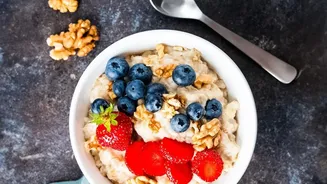
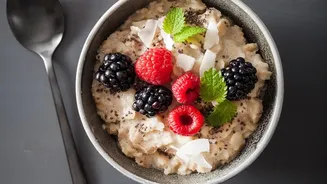
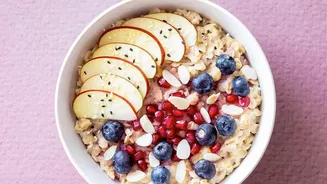
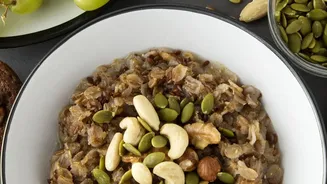
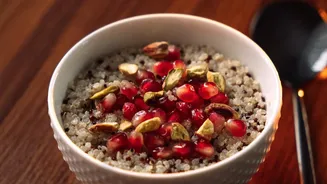
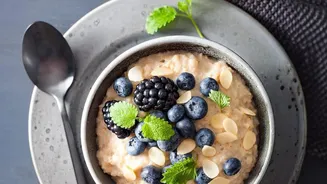
Plain porridge is a great canvas, but toppings are where you can add flavour, texture, and even more nutrients. For a sweet and classic bowl, try adding fresh fruits like berries or sliced bananas, a sprinkle of cinnamon, and a handful of nuts or seeds for healthy fats and extra protein. Dates or a small drizzle of jaggery or maple syrup can add natural sweetness. Don't be afraid to think outside the box with savoury options, too. A porridge topped with sautéed mushrooms, wilted greens, a sprinkle of cheese, or even a soft-boiled egg can be a wonderfully satisfying and unconventional breakfast.