






From Muscles to Mainstream
Protein's reputation has undergone a major rebranding. For years, its image was confined to the world of bodybuilding and elite athletics. Today, that perception is changing as major food companies in India and abroad are positioning protein as a key
ingredient for everyday health. The conversation has moved from building bulk to supporting a busy lifestyle, managing weight, and promoting healthy aging. This pivot is backed by a growing consumer awareness that protein is essential at all life stages, not just for those lifting heavy weights. Brands are now marketing protein-fortified foods with promises of sustained energy, better focus, and increased satiety—the feeling of fullness that helps prevent overeating.
The New Protein-Packed Pantry
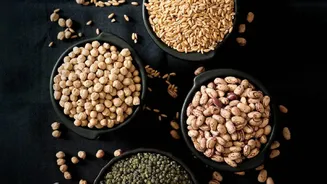
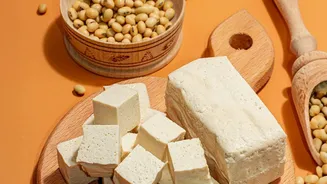
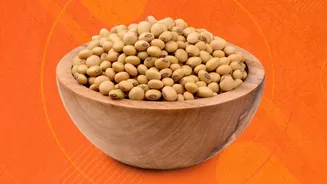
Walk through any supermarket, and you'll see evidence of this trend. Protein is being added to a surprising variety of everyday foods. Companies are fortifying staples that are already part of the Indian diet, like atta, oats, and ready-to-drink beverages. This strategy makes it easier for consumers to increase their protein intake without drastically changing their eating habits. The market now includes everything from protein bars and biscuits to protein-enriched coffee and snacks. This boom isn't limited to traditional dairy-based proteins like whey and casein; the demand for plant-based options from soy, peas, and legumes is also surging, catering to a wider range of dietary preferences.
What's Driving the Trend?
Several factors are fuelling protein's move into the mainstream. A growing focus on preventive wellness and rising health awareness are major drivers. Consumers are increasingly looking for functional foods that offer benefits beyond basic nutrition, from boosting immunity to managing weight. Protein fits this demand perfectly. It is scientifically proven to aid in muscle maintenance, which is crucial not just for athletes but for older adults looking to prevent age-related muscle loss (sarcopenia). Studies also show protein is the most satiating macronutrient, meaning it helps you feel fuller for longer, which can be a powerful tool for weight management. The convenience of fortified foods also appeals to busy professionals and families who may struggle to prepare balanced meals regularly.
Decoding the Health Claims
While marketing plays a big role, the health benefits are real. Protein is fundamental for countless bodily functions, including repairing tissue, creating enzymes and hormones, and supporting immune function. The claims about satiety and weight management are well-supported; high-protein diets can reduce hunger and increase metabolism. For older adults, adequate protein intake is critical for maintaining strength and mobility. The Indian Council of Medical Research (ICMR) recommends a baseline of 0.83 grams of protein per kilogram of body weight for a healthy, sedentary adult. However, many experts suggest that active individuals and older adults may benefit from higher intakes, around 1.0 to 1.2 g/kg. Despite this, a significant portion of the Indian population doesn't meet even the basic daily requirement.
Is More Always Better?
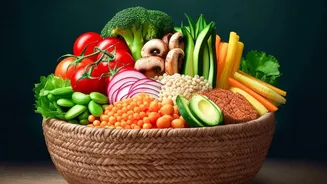
The protein boom does come with a caveat: more is not always better. While deficiency is a concern, excessive protein intake can have negative consequences. Consuming very high amounts of protein, especially without adequate fluid intake, can lead to dehydration and may put a strain on the kidneys and liver over the long term. Some high-protein diets, particularly those heavy in red meat, have been linked to an increased risk of heart disease and other health issues. It’s also important to consider the source. Getting protein from whole foods like lentils, beans, eggs, dairy, and lean meats is often better than relying solely on highly processed supplements, as whole foods provide a broader range of nutrients like fibre, vitamins, and minerals.