


Your Daily Pest Patrol
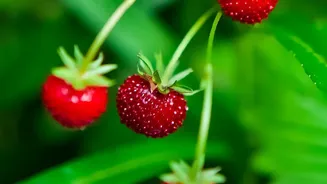
The best defence against pests is a good offence. Since you are growing in pots, a quick daily inspection is easy and highly effective. Make it a habit to check your strawberry plants every morning. Look under the leaves, around the crown of the plant,
and at the developing flowers and fruit. Many pests, like aphids and spider mites, prefer to hide on the undersides of leaves. Catching an infestation early, when it's just a few bugs, is much easier to handle than dealing with a full-blown invasion. Note any changes like leaf discolouration, curling, sticky residue, or fine webbing. Early detection is your greatest advantage in organic pest management.
Identifying Aphids
Aphids are one of the most common pests you'll encounter. These are small, soft-bodied insects, often green, black, or yellowish, that cluster on new growth and the undersides of leaves. They suck the sap from the plant, which can lead to curled or distorted leaves and stunted growth. A tell-tale sign of aphids is a sticky substance called honeydew, which they secrete. This can make the leaves look shiny and may attract ants or lead to the growth of a black, sooty mould. A few aphids are not a disaster, but their populations can multiply quickly, so it's important to act fast.
Spotting Spider Mites
Spider mites are not actually insects but tiny arachnids, making them difficult to spot with the naked eye. They thrive in hot, dry conditions—common on sunny balconies. The first sign of spider mites is often a fine, pale stippling or yellow spotting on the leaves. As the infestation grows, you may notice delicate, silky webs on the plant, especially on the undersides of leaves. Severely affected leaves can turn bronze or yellowish and may eventually dry up and fall off. To check for them, hold a white piece of paper under a leaf and tap it; tiny specks that move are likely spider mites.
Managing Slugs and Snails
Even on a balcony, slugs and snails can find their way to your precious pots, especially in humid weather. They are notorious for chewing irregular-shaped holes in both leaves and, most frustratingly, the ripe fruit. You'll often find their silvery slime trails as evidence of their nightly visits. Since they hide during the day, check your pots after dark with a flashlight. For container gardens, creating a barrier can be effective. A ring of copper tape around your pot can deter them, as it gives them a mild electric shock. You can also place shallow traps filled with beer near your pots; slugs are attracted to the scent, fall in, and drown.
Dealing with Fungus Gnats
If you notice tiny, dark flies fluttering around the soil of your strawberry pots, you likely have fungus gnats. While the adults are mostly an annoyance, their larvae, which live in the top layer of moist soil, can be a problem. They feed on fungus and decaying matter, but in large numbers, they can also nibble on the fine roots of your plants. Fungus gnats are a clear sign that your soil is staying too wet. The most effective control is to allow the top inch or two of soil to dry out between waterings. This disrupts their life cycle by creating an inhospitable environment for the larvae. Yellow sticky traps can also help catch adults, reducing the number that lay eggs.
Your Organic Toolkit
For most common balcony pests, you don't need harsh chemicals. A simple spray bottle with water and a few drops of mild dish soap can be very effective for washing off aphids and spider mites. Neem oil is another fantastic, all-purpose organic option available widely in India. A diluted solution of neem oil acts as a repellent and disrupts the growth and feeding of many pests. Always spray in the evening to avoid scorching the leaves in the sun. For a more direct approach, you can physically wipe pests off leaves with a cloth or even introduce beneficial insects like ladybugs if you can source them, as they are natural predators of aphids.