

A Frightening Reminder Over the Bay of Bengal
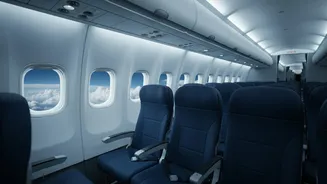
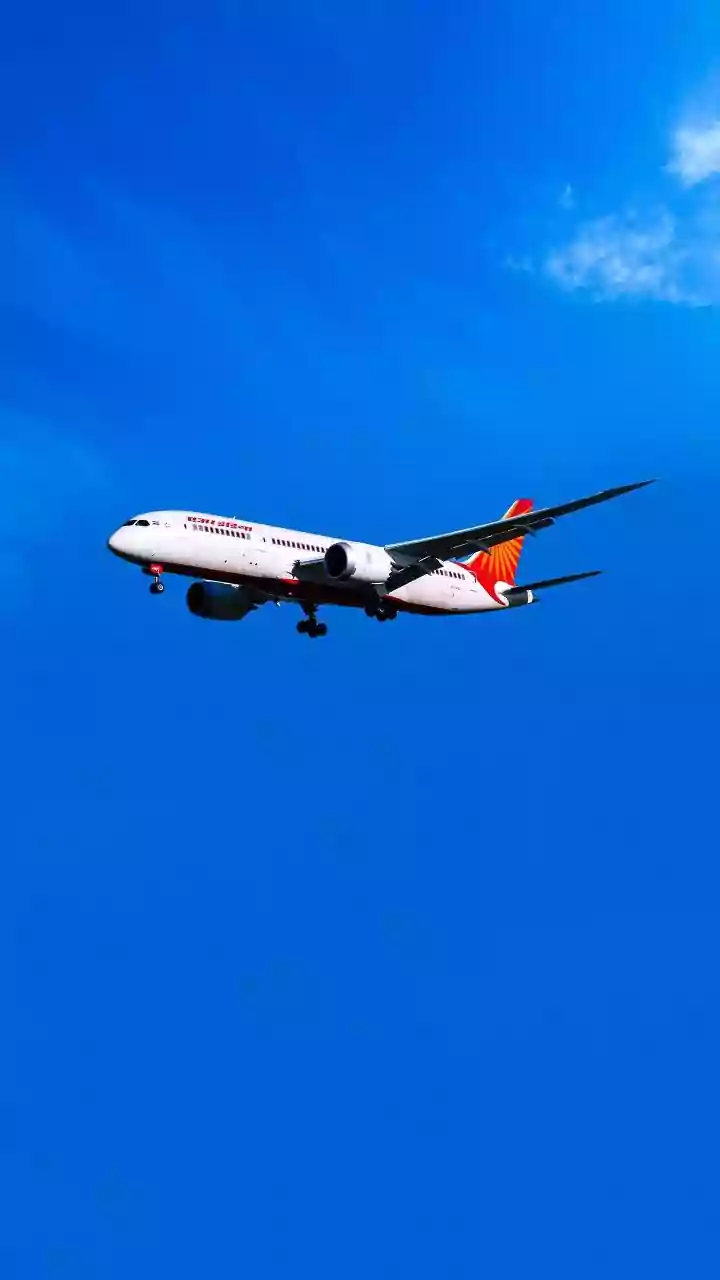
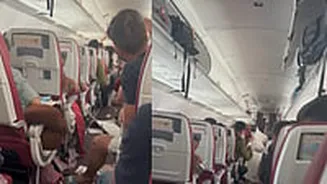
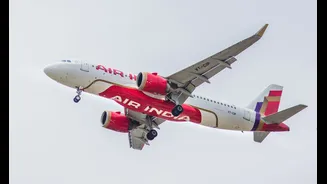
On August 4, 2026, passengers aboard Air India flight AI2379 from Phuket to Delhi were cruising in seemingly calm skies. Suddenly, the Airbus A320 hit a pocket of severe turbulence, causing it to drop approximately 300 feet in an instant. The violent
event sent unbuckled passengers and crew members flying into the cabin ceiling before crashing back down. While the pilots skillfully landed the aircraft safely in Delhi, the aftermath was clear: a damaged cabin interior and, more importantly, 17 people injured—13 passengers and four crew members who required hospital evaluation. Passenger accounts describe a chaotic scene, with many caught completely by surprise while sleeping. The incident serves as a dramatic illustration of a persistent and often invisible aviation hazard.
The Invisible Danger: Clear-Air Turbulence
What makes incidents like this so frightening is their unpredictability. The culprit is often Clear-Air Turbulence, or CAT. Unlike turbulence associated with thunderstorms, which pilots can often detect on weather radar and navigate around, CAT is invisible. It occurs in cloudless skies, typically at high altitudes, where masses of air moving at different speeds create powerful, unseen disturbances. Because there are no visual cues, pilots and onboard systems can't always detect it in advance. This means a flight can go from perfectly smooth to violently turbulent with zero warning. Studies suggest that climate change may be increasing the frequency and intensity of this specific type of turbulence, making it a growing concern for aviation safety.
Why Your Seatbelt Is Your Best Defense
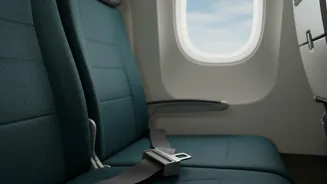
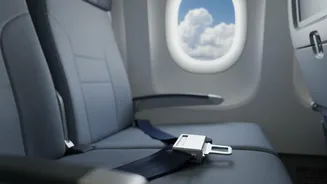
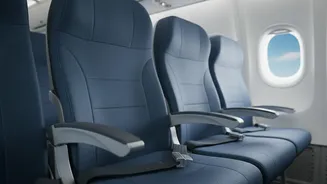
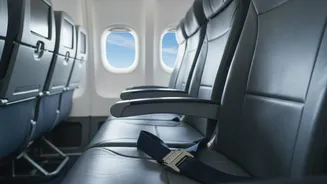
Modern commercial aircraft are engineering marvels, built to withstand forces far greater than those encountered in even severe turbulence. The structural integrity of the plane is very rarely at risk. The real danger is to the people inside. During a sudden drop or jolt, an unbuckled person essentially becomes a projectile within the cabin. The most serious turbulence-related injuries are almost always sustained by individuals who are not secured in their seats. The simple act of fastening your seatbelt anchors you to the aircraft, making you part of the structure that is designed to safely ride out the disturbance. Aviation authorities like the Federal Aviation Administration (FAA) are unequivocal in their guidance: the single most effective way to prevent injury from unexpected turbulence is to keep your seatbelt fastened at all times when you are in your seat, whether the seatbelt sign is illuminated or not.
Rethinking Comfort and Complacency
So why do so many passengers unbuckle once the light goes off? It often comes down to comfort and a false sense of security. On a long flight, it’s natural to want to shift positions or feel unrestricted. After an hour or two of smooth flying, it’s easy to assume the rest of the journey will be the same. However, flight crews know better. Pilots must keep their belts fastened while at their stations for a reason. They understand that the atmosphere is a dynamic environment and that calm air offers no guarantees. For passengers, the recommendation is just as critical. The brief moment of discomfort from a seatbelt is a tiny price to pay for preventing a severe injury that could result from being thrown against a window, armrest, or the cabin ceiling.