






Carrots: The Beta-Carotene and Potassium Powerhouse
When you think of carrots, you likely think of bright orange colour and good eyesight. This is thanks to beta-carotene, a powerful antioxidant that the body converts into Vitamin A. This essential vitamin is crucial not just for vision, particularly in low
light, but also for a healthy immune system and skin. But carrots offer more than just Vitamin A. They are also a significant source of potassium, an essential mineral that plays a vital role in maintaining healthy blood pressure levels. The fibre in carrots also contributes to heart health by helping manage cholesterol. While available year-round, these root vegetables pack a considerable nutritional punch, offering key vitamins and minerals in every crunchy bite.
Spinach: A Giant of Iron and Calcium
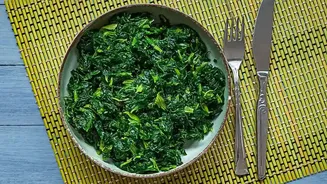
On paper, spinach looks like an undisputed mineral champion. It boasts significantly more iron, calcium, and potassium per gram compared to carrots. Iron is critical for creating red blood cells that transport oxygen throughout the body, while calcium is the fundamental building block for strong bones and teeth. Spinach is also packed with Vitamin K, which is essential for blood clotting and bone health, and contains more Vitamin C than carrots. Based on these numbers alone, spinach seems to have a clear advantage in the mineral department, offering a dense concentration of nutrients that are vital for everyday bodily functions.
The Crucial Twist: Bioavailability
Here's where the story gets more complex. Nutrition isn't just about what a food contains; it's about what your body can actually absorb. Spinach is high in compounds called oxalates (or oxalic acid). These 'antinutrients' bind to minerals, particularly calcium and iron, forming insoluble complexes. This process dramatically reduces the bioavailability of those minerals, meaning your body can't absorb them effectively. While a cup of spinach contains a lot of calcium, studies suggest only about 5% of it is actually available for your body to use. This is why the high mineral content listed on a nutrition label doesn't always translate to a high mineral intake for your body.
Does Oxalate Block All Iron?
For years, oxalates were considered the primary reason for poor iron absorption from spinach. However, some newer research suggests the story might be slightly different. A 2008 study indicated that oxalates had no measurable effect on iron absorption in a controlled setting. Instead, it pointed to other compounds in spinach, like polyphenols and the vegetable's own calcium content, as the main inhibitors. The good news is that the effect of these inhibitors can be counteracted. Consuming spinach with a source of Vitamin C, such as bell peppers or citrus fruits, can significantly enhance the absorption of its non-heme (plant-based) iron.
Cooking Unlocks Nutrients
How you prepare these vegetables also matters. Cooking carrots helps break down their tough cell walls, which can actually increase the amount of beta-carotene your body can absorb. For spinach, cooking provides a different benefit. Boiling or steaming spinach can reduce its oxalate content by a significant margin, which may help slightly improve the bioavailability of its minerals. While some water-soluble vitamins might be lost in the process, cooking spinach makes its calcium and iron more accessible than when it's eaten raw. Therefore, a light steam or sauté can be a better way to unlock the full potential of both these vegetables.