






Beyond Counting Grams
In the quest for better health, muscle growth, and weight management, protein has long been the star macronutrient. From gym-goers tracking every gram to food companies adding it to everything from biscuits to beverages, the message has been clear: more
is better. This quantity-first approach has dominated nutritional advice for decades. The Indian Council of Medical Research (ICMR) recommends about 0.8 to 1.0 gram of protein per kilogram of body weight for the average adult, a target that many people actively try to meet or exceed. However, emerging scientific consensus suggests that this number-focused approach, while not wrong, is certainly incomplete. Simply hitting a daily gram count doesn’t guarantee your body is getting what it truly needs. The conversation is now moving beyond 'how much' to 'how well'.
What is Protein Quality?
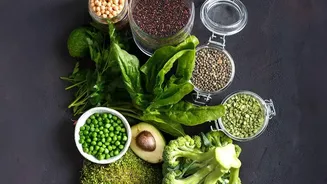
Protein quality refers to how efficiently your body can use a protein source. It’s determined by two main factors: its amino acid profile and its digestibility. Proteins are made of building blocks called amino acids. There are nine essential amino acids that our bodies cannot produce, so we must get them from food. A 'complete' protein contains all nine of these in sufficient amounts. Animal-based foods like meat, fish, eggs, and dairy are generally considered complete proteins. Most plant-based proteins, like lentils and beans, are 'incomplete', meaning they are low in one or more essential amino acids. This doesn’t make them inferior, but it does mean that variety is key for those on a plant-based diet, who can combine foods like rice and beans to form a complete protein profile over the day.
The Digestibility Factor
The second, and equally important, part of the quality equation is bioavailability, or digestibility. This measures how much of the protein you eat is actually absorbed and used by your body. Not all protein sources are created equal in this regard. Animal proteins are generally highly digestible, with over 90% of their amino acids being available for your body to use. Plant proteins are often housed within fibrous cell walls that can make them harder to digest. As a result, even if a plant-based food has a high protein gram count on its label, your body might only be able to access a smaller percentage of it. New evaluation methods, like the Digestible Indispensable Amino Acid Score (DIAAS), are now being recommended by global bodies like the Food and Agriculture Organization (FAO) to provide a more accurate measure of a protein’s true value, moving beyond older, less precise scores.
Quality on Your Plate: An Indian Context
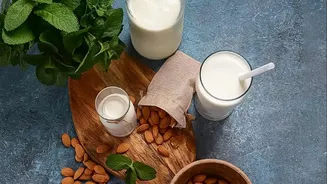
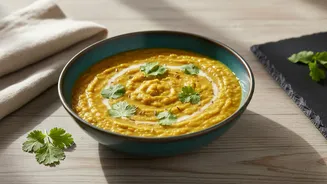
This new understanding has practical implications for the Indian diet. A bowl of dal is a fantastic source of protein, but to maximise its quality, it’s best paired with a grain like roti or rice. This combination, a staple in Indian households, cleverly creates a complete amino acid profile. Similarly, while soya chunks are incredibly high in protein, paneer and eggs offer protein that is more readily bioavailable. For non-vegetarians, a serving of chicken or fish provides high-quality, easily digestible protein. The goal isn't to eliminate certain foods, but to think more strategically. For example, having a glass of milk or a bowl of curd with your meal can boost the overall protein quality significantly. It’s about building a meal where the different components work together to provide a better nutritional punch than any single ingredient could alone.
The Whole Food Package
Ultimately, the shift towards protein quality is part of a larger move towards appreciating whole foods. A scoop of protein powder might give you 25 grams of isolated protein, but a bowl of chana or a handful of nuts provides protein along with fibre, vitamins, healthy fats, and antioxidants. This 'food matrix'—the complete package of nutrients—plays a crucial role in how your body processes the protein and the overall health benefits you receive. The focus on quality encourages us to look at our food not as a collection of macros, but as wholesome sources of nourishment. It nudges us away from highly processed options and back towards the balanced, varied meals that have been the foundation of healthy eating for generations.