








What is Model Rationalisation?
Model rationalisation, and its sibling 'platform consolidation', is the auto industry's move towards 'less is more'. Instead of designing dozens of unique foundational structures (platforms) for different cars, manufacturers are creating just a handful
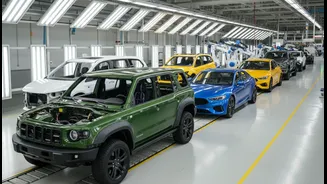
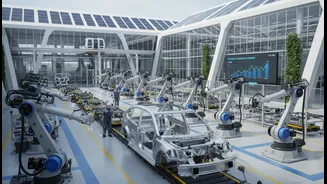
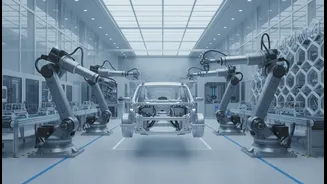
of highly flexible, modular platforms. Think of it like a restaurant kitchen. Rather than having a separate cooking line for every single dish on the menu, the chef designs a few core ingredient stations that can be used to create a wide variety of meals. In the car world, this means a single underlying platform—the chassis, electrical architecture, and key mechanicals—can be the base for a hatchback, a sedan, and even a small SUV across different brands within the same automotive group. This strategy allows for massive economies of scale, simplified logistics, and faster development times.
The Billion-Dollar Problem Driving the Change
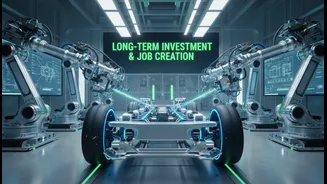
This strategic shift isn't happening by choice; it's a response to skyrocketing development costs that are pressuring the entire industry. The primary culprit is the once-in-a-century transition to electric vehicles (EVs). Developing new battery technologies, electric motors, and the complex software to manage them all requires billions in investment. Simultaneously, cars are becoming computers on wheels. Customers expect sophisticated infotainment systems and advanced driver-assistance systems (ADAS), which require powerful processors and countless lines of code. Add to this the ever-tightening global emissions and safety regulations, and the cost to bring a single new model to market has become immense. Without consolidation, many automakers would struggle to remain profitable.
From Dozens of Platforms to Just a Few
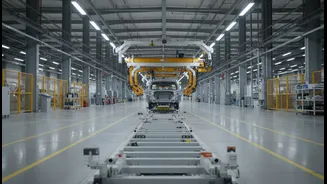
Global auto giants are leading this charge. Volkswagen Group, for instance, plans to consolidate its many platforms into a single, all-encompassing architecture called the Scalable Systems Platform (SSP). This one platform is intended to underpin everything from a small city car to a high-performance Audi or Porsche, whether it's fully electric or a hybrid. Similarly, Stellantis—the parent company of brands like Jeep, Ram, Chrysler, and Peugeot—is moving to just four global platforms named STLA Small, Medium, Large, and Frame. The STLA Large platform alone is slated to be the foundation for eight new vehicles between 2024 and 2026. This is a dramatic departure from the old model, where a company might have dozens of different platforms, each requiring its own engineering team, supply chain, and factory tooling.
A Double-Edged Sword for Car Buyers
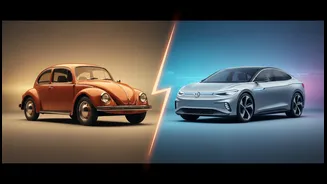
For consumers, this trend brings both potential benefits and significant drawbacks. On the plus side, reining in development costs could make cars, particularly EVs, more affordable. Automakers can pass savings from shared components and manufacturing efficiencies on to the buyer. It also means new technologies, from advanced safety features to better battery performance, can be rolled out across a wider range of vehicles more quickly. However, the downside is a potential loss of variety and character. When a Volkswagen, a Skoda, and an Audi all share the same fundamental building blocks, there's a risk of 'badge engineering'—where the cars feel largely the same to drive, with only cosmetic differences. This could dilute the unique identity that has historically distinguished one brand from another, leaving car buyers with an illusion of choice, where many different-looking cars are essentially the same underneath.