



The Problem with the 'Golden' Path
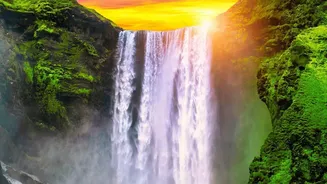
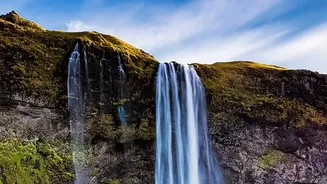
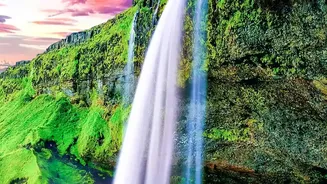
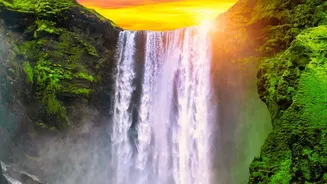
The classic Icelandic road trip often involves a mad dash along the South Coast or the Golden Circle, ticking off giants like Gullfoss, Seljalandsfoss, and Skógafoss. These spots are famous for a reason; their power and beauty are undeniable. Yet, this
popularity comes at a cost. During peak hours, the experience can be less about quiet awe and more about navigating crowds and finding a clear shot for your camera. The pressure to 'see it all' can turn a dream vacation into a high-speed highlight reel, leaving you with plenty of photos but few real memories. This checklist approach often means you’re experiencing the landscape through a bus window or a phone screen, missing the soul of the place entirely. A more fulfilling trip isn't about seeing more waterfalls, but about experiencing them more deeply.
Go Beyond the Famous Names
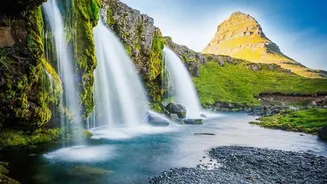
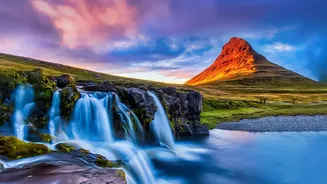
For every world-famous 'foss', Iceland has dozens of lesser-known cascades that offer a more intimate experience. Near the often-crowded Seljalandsfoss lies Gljúfrabúi, a waterfall hidden behind a wall of rock that you can wade into a small canyon to see. Similarly, a short 15-minute walk from the Skógar Museum near Skógafoss leads you to the serene Kvernufoss, where you can often enjoy the rare experience of walking behind a waterfall without a crowd. Exploring alternatives like the 'Silver Circle' in West Iceland can also offer dramatic landscapes and powerful falls with a fraction of the visitors. The goal isn’t to snub the iconic spots, but to complement them. Visit the big names early in the morning or late in the evening when the tour buses have departed, and spend the rest of your day discovering the quieter magic nearby.
Engage Your Senses, Not Just Your Camera
Mindful travel is about being fully present, and Iceland's powerful nature makes it the perfect place to practice this. When you arrive at a waterfall, resist the immediate urge to start taking pictures. Instead, take a few minutes to simply be there. Find a safe spot to sit and close your eyes. Listen to the thunderous roar of the water and the way the sound echoes off the canyon walls. Feel the cool mist on your face. Notice the smell of the wet earth and moss. Observe the way the light hits the water, creating fleeting rainbows in the spray. By engaging all your senses, you create a rich, multi-dimensional memory that a photograph can never fully capture. This practice transforms a simple viewpoint stop into a restorative, grounding experience.
Connect with the Stories and the Land
Iceland's landscapes are woven with stories, and its waterfalls are no exception. Many are tied to rich folklore involving Vikings, gods, and trolls. Goðafoss, the 'Waterfall of the Gods', is named for the legend of a lawmaker who, after deciding Iceland would adopt Christianity, threw his statues of the Norse gods into the torrent. Skógafoss is said to hide a Viking's lost chest of gold. Learning these stories before you visit adds a layer of cultural and historical context that deepens your appreciation. This approach also extends to respecting the land itself. Iceland's ecosystem, particularly its moss, is incredibly fragile. Following 'Leave No Trace' principles by staying on marked paths, not driving off-road, and packing out all your waste are essential practices for a responsible traveler.
Travel Slower and More Sustainably
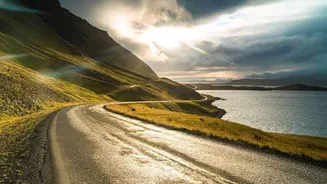
The antidote to checklist tourism is slow travel. Instead of racing across the entire Ring Road in a week, consider exploring one region, like the Westfjords or North Iceland, more thoroughly. This reduces driving time and allows for spontaneous discoveries and deeper connections with local communities. Support small, local businesses instead of large international chains. Carry a reusable water bottle and drink Iceland’s famously pure tap water to minimize plastic waste. Many Icelandic tourism operators are committed to sustainability, so choosing eco-friendly tours and accommodations is a great way to ensure your visit has a positive impact. A slower pace allows for flexibility, reduces stress, and ultimately leads to a richer, more sustainable, and personally meaningful adventure.