




A Million Times More
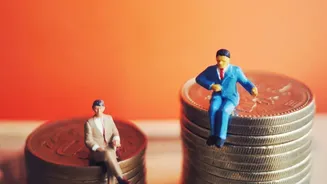
The central claim of Oxfam's 'Carbon Billionaires' report is staggering: the average carbon footprint of one of the world's richest billionaires is over a million times higher than that of an average person in the bottom 90% of humanity. The analysis,
which examined the public investments of 125 of the world's wealthiest individuals, found that each billionaire was responsible for an average of 3 million tonnes of carbon dioxide equivalent emissions per year. To put that in perspective, the combined investment emissions of this small group are equivalent to the annual carbon emissions of a country like France, with its 67 million people.
It's Not the Jets, It's the Investments
While the luxury lifestyles of the ultra-rich certainly have a high carbon cost, Oxfam's research shows this is just the tip of the iceberg. The report finds that for the world's wealthiest, between 50% and 70% of their total emissions don't come from personal consumption but from their investments. These are often called 'financed emissions' or 'investment emissions'. This refers to the greenhouse gas emissions generated by the companies a person or financial institution invests in. By owning significant stakes in major corporations, billionaires effectively own a proportional share of those companies' carbon footprints.
How Money Becomes Carbon
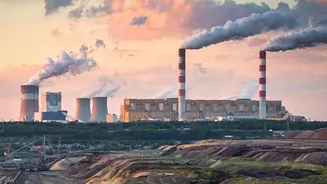
The mechanism is straightforward. When a billionaire invests millions into a company involved in fossil fuels, cement production, or other carbon-intensive industries, that capital helps the company operate and expand. That expansion leads to more extraction, more production, and ultimately, more emissions released into the atmosphere. The investor, by providing the financial fuel, becomes a direct enabler of those emissions. The Oxfam report found that, on average, billionaires in their sample had 14% of their investments in such polluting industries—twice the average for the S&P 500 index of companies. Strikingly, only one billionaire in the entire sample was found to have investments in a renewable energy company.
The Power to Change Course
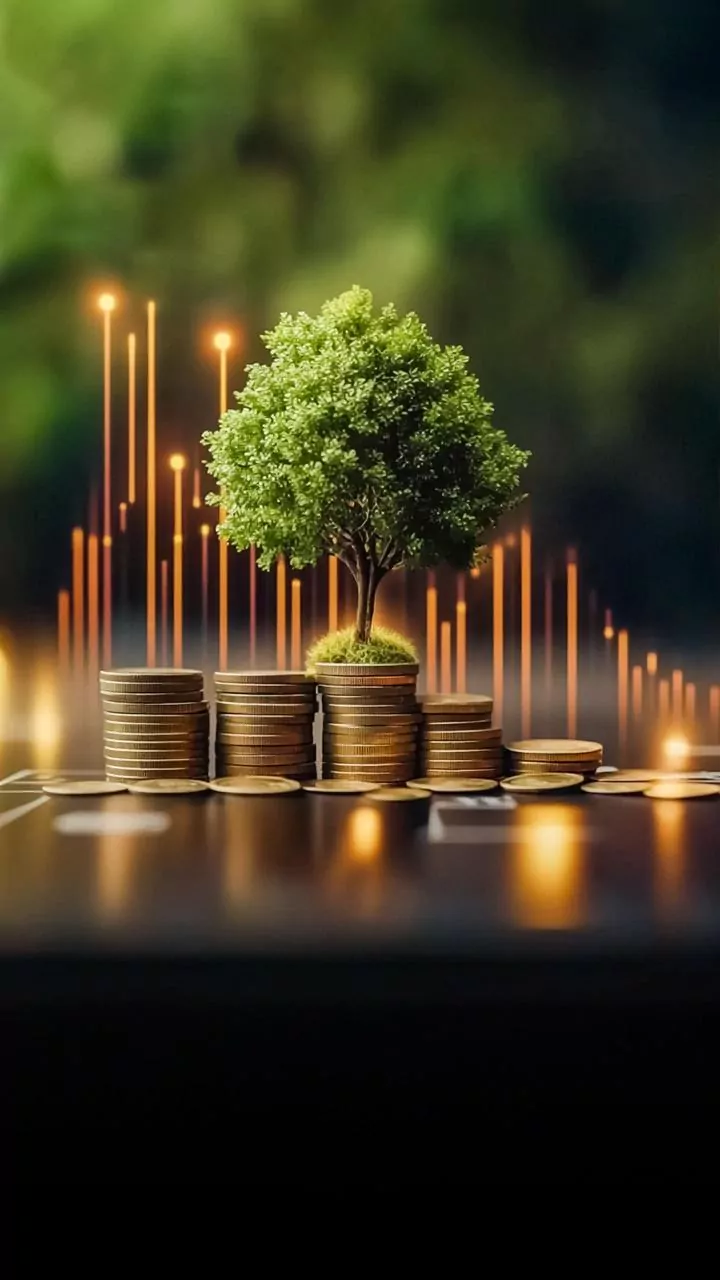
Because their influence is channelled through investments, the super-rich also hold immense power to drive decarbonisation. Oxfam points out that billionaires often hold large enough stakes in corporations to influence corporate strategy and direction. A shift in investment strategy could have a massive impact. According to one analysis, if billionaires were to move their capital from high-emission sectors to funds with a low-carbon focus, their investment emissions could be reduced by as much as 13 times. This highlights that their role isn't just as passive beneficiaries of a polluting system, but as active participants with the power to maintain the status quo or champion a transition to a green economy.
What Oxfam Recommends
In light of these findings, Oxfam is calling for systemic changes to hold wealthy investors accountable. The organisation urges governments to implement regulations that compel corporations and their investors to slash carbon emissions. This includes enforcing stricter reporting requirements for 'financed emissions' to increase transparency. Furthermore, Oxfam advocates for new forms of taxation, such as wealth taxes and taxes on investments in polluting industries, to disincentivize high-carbon financing and fund the transition to a low_carbon economy. The argument is that without addressing the role of big money in fuelling the climate crisis, efforts focused solely on individual consumer actions will fall drastically short.