




The Age of 'More Is More'
For decades, the conversation around protein has been dominated by numbers. We have been taught to track grams, aiming for a specific target based on body weight and activity levels. The conventional wisdom was simple: hit your daily number, and you’re
set. Recommendations like 0.8 grams of protein per kilogram of body weight became a familiar benchmark for the average person, with higher amounts for athletes and older adults. This focus on quantity made sense; it's easy to measure and track. Food labels highlight the grams of protein, and fitness apps celebrate when you hit your macro goals. This approach, however, often overlooks a more complex and equally important factor: not all protein sources are created equal.
What 'Protein Quality' Really Means
So, what makes a protein 'high quality'? It comes down to two main things: its amino acid profile and its digestibility. Proteins are made of building blocks called amino acids. Nine of these are 'essential,' meaning our bodies can't make them, so we must get them from food. A 'complete' protein contains all nine essential amino acids in sufficient amounts. The second part is digestibility — how well your body can actually break down the protein and absorb those amino acids. Factors in some plant foods, for example, can sometimes inhibit full absorption. True quality lies in a protein that is both complete and highly digestible.
A More Precise Way to Measure
The 'latest review' isn't one single study but a shift in scientific consensus, spearheaded by organizations like the UN's Food and Agriculture Organization (FAO). For years, the standard measure for protein quality was the Protein Digestibility-Corrected Amino Acid Score (PDCAAS). While useful, it had limitations. For one, it measured digestibility based on fecal analysis, which isn't the most accurate. Secondly, its scores were capped at 1.0, meaning it couldn't distinguish between good and truly excellent protein sources. Enter the Digestible Indispensable Amino Acid Score (DIAAS). This newer, more advanced method is hailed as more accurate. DIAAS measures amino acid absorption in the small intestine, giving a truer picture of what your body actually uses. It also doesn't cap scores, allowing for a clearer ranking of protein quality. For example, under PDCAAS, both whey and soy protein might score close to a perfect 1.0. Under DIAAS, however, the difference becomes clearer, highlighting the superior bioavailability of certain animal proteins like dairy.
What This Means For Indian Diets
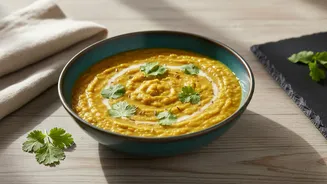
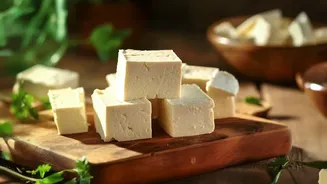
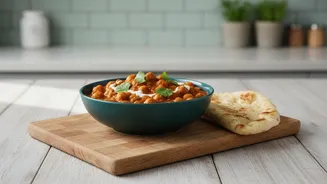
This new understanding has significant implications for India's largely vegetarian population. For years, the simple advice has been to eat more dal. While lentils are a fantastic food, the DIAAS model reinforces the importance of food combinations. Many plant proteins are lower in one or more essential amino acids. The classic Indian meal of dal (legume) and rice (grain), for instance, is a perfect example of protein complementarity. Together, they provide a more complete amino acid profile than either would alone. This updated view on quality encourages a focus on variety. High-quality vegetarian sources like paneer, Greek yogurt (hung curd), and soy products like tofu have excellent digestibility and a strong amino acid profile. The goal isn’t to abandon traditional staples like dal and chana, but to ensure they are part of a varied diet that includes these high-quality sources, as well as nuts, seeds, and diverse grains to cover all bases.
Quality, Quantity, and Common Sense
It's easy to get lost in the science of scores and amino acids. Does this mean you need to start calculating the DIAAS of your lunch? Absolutely not. The key takeaway is a shift in mindset. Instead of just asking, 'Am I getting enough protein?', start asking, 'Am I getting a variety of high-quality protein?' The new focus on quality doesn't replace the need for adequate quantity; both are important. It simply adds a layer of intelligence to our food choices. It also reminds us of the wisdom in traditional eating patterns. Even cooking methods can play a role; moderate cooking often improves digestibility, while overcooking, especially with dry, high heat, can sometimes reduce it. A balanced approach, focusing on a mix of whole foods, is still the best strategy for overall health.