






More Than Just Movement
Across India, from Navratri pandals to wedding sangeets, group dancing is a cornerstone of celebration. It feels good to be a part of that collective energy, losing yourself in the music and the shared steps. This experience, it turns out, is not just
a cultural phenomenon but a deeply biological one. The act of moving together in time with others triggers a cascade of positive effects in our brains and bodies, creating a potent, natural antidote to stress and a powerful catalyst for happiness. Researchers have found that this synchronised activity does more than just provide exercise; it builds powerful social glue and enhances our emotional well-being.
The Science of Synchrony
When we dance in a group, our brains release a cocktail of neurochemicals. The key ingredients are endorphins, often called the body's natural 'feel-good' chemicals. Studies show that both physical exertion and synchronised movement independently boost endorphin levels. These chemicals are known to increase our pain threshold and induce feelings of pleasure and euphoria. But when they are released in a social context like group dancing, their effect is amplified, fostering positive feelings towards the people around us. This process creates a feedback loop: the more we sync up, the better we feel, and the closer we feel to the group. It is a neurological basis for the 'high' that people often report after a lively dance session with friends or family.
A Break From Anxious Thoughts
Anxiety often involves a cycle of looping, negative thoughts. The focus required to synchronise your movements with a group provides a powerful, practical form of mindfulness. By concentrating on the rhythm, the music, and the movements of others, your brain is pulled away from its usual anxious chatter. Dance interventions have been shown in multiple studies to significantly reduce symptoms of anxiety. This is partly because dancing combines physical exercise and emotional expression with social connection, a trio of factors highly effective at regulating mood and stress. The rhythmic and structured nature of group dance can provide a sense of safety and predictability, calming a nervous system that might be in a state of high alert.
Building Bonds, Beat by Beat
Humans are fundamentally social creatures, and a sense of belonging is crucial for our mental health. Moving in time with others fosters a deep-seated feeling of connection and community. This phenomenon, sometimes called the 'synchrony effect', blurs the lines between 'self' and 'other', making us feel more connected, empathetic, and trusting of those we dance with. Researchers suggest this may be an evolutionary trait, helping early humans form larger, more cooperative groups. When we dance together, our brains literally get in sync, with neural activity aligning between participants. This builds a sense of 'we', turning a collection of individuals into a cohesive, bonded unit, which is a powerful buffer against the loneliness and isolation that can fuel anxiety and depression.
Why Together is Better
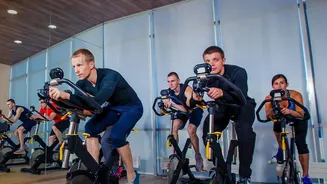
While any form of exercise is beneficial, group dancing offers unique advantages for mental health. Solo exercise, like running on a treadmill, also releases endorphins, but it lacks the powerful social bonding component. Studies comparing people who danced in sync versus those who danced asynchronously found that the synchronised group felt significantly closer to one another. This increased sense of social connection is a key ingredient for long-term happiness and resilience. So, while a solo workout can clear your head, dancing in a group can rebuild your sense of community and connection, providing a more holistic boost to your well-being. It is the combination of movement, music, and social synchrony that makes it such a uniquely powerful activity.