




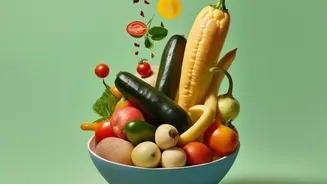


More Than a Meal: What is Gastrodiplomacy?
Gastrodiplomacy, or culinary diplomacy, is the practice of using food to create cross-cultural understanding and strengthen international ties. It operates on a simple premise: sharing a meal can build bridges and foster goodwill more effectively than
a formal meeting. For centuries, nations have used banquets and feasts to signal friendship and intent. Today, this has evolved into a conscious strategy. By showcasing its cuisine, a country can communicate its history, values, agricultural richness, and cultural diversity without saying a word, effectively winning hearts and minds through stomachs.
India's Vast and Varied Menu
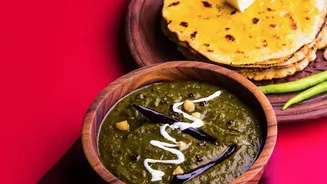
For too long, the global perception of Indian food was limited to a few standard dishes. However, India's true culinary strength lies in its staggering regional diversity. From the subtle flavours of the south to the robust dishes of the north, every state offers a unique gastronomic story. Recognizing this untapped potential, India has begun to strategically showcase this diversity. This involves promoting not just high-end restaurant fare but also the humble street foods that are the lifeblood of Indian cities. It's a move to present a more authentic and comprehensive picture of Indian culture, moving beyond stereotypes.
Millets Take Centre Stage
A prime example of this strategy is the championing of millets. Once considered a 'poor man's grain', millets like jowar, bajra, and ragi are now being presented as climate-resilient superfoods. India successfully proposed that the UN declare 2023 the International Year of Millets, a diplomatic masterstroke that placed the grain on the global agenda. Subsequently, millet-based dishes featured prominently in high-profile events like the G20 Summit in New Delhi, where world leaders were served innovative creations such as ragi laddoos. This wasn't just about food; it was a statement on sustainability, health, and food security.
The Power of the GI Tag
Another crucial tool in India's culinary diplomacy toolkit is the Geographical Indication (GI) tag. A GI tag is a certification that identifies a product as originating from a specific region, possessing qualities unique to that location. Products like Darjeeling Tea, Basmati Rice, and Alphonso Mangoes have gained this recognition, protecting their authenticity and enhancing their brand on the global stage. When a foreign dignitary is served GI-tagged Manipuri Black Rice or Wayanad Robusta Coffee, it's a showcase of India's unique biodiversity and agricultural heritage, turning a simple product into a cultural ambassador.
From State Banquets to Food Festivals
This diplomatic push extends beyond the confines of state banquets. India is leveraging food festivals, both at home and abroad, to serve as cultural embassies. Events like the National Street Food Festival in Delhi showcase the culinary breadth of the entire country in one place. Abroad, Indian missions and diaspora communities play a vital role, using food to connect with local populations and share a taste of Indian culture. Chefs, acting as culinary ambassadors, are also instrumental in this movement, translating complex regional flavours for an international palate and furthering the narrative of a modern, diverse India.