



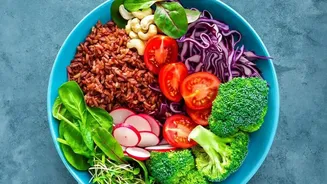
The Missing Macronutrients
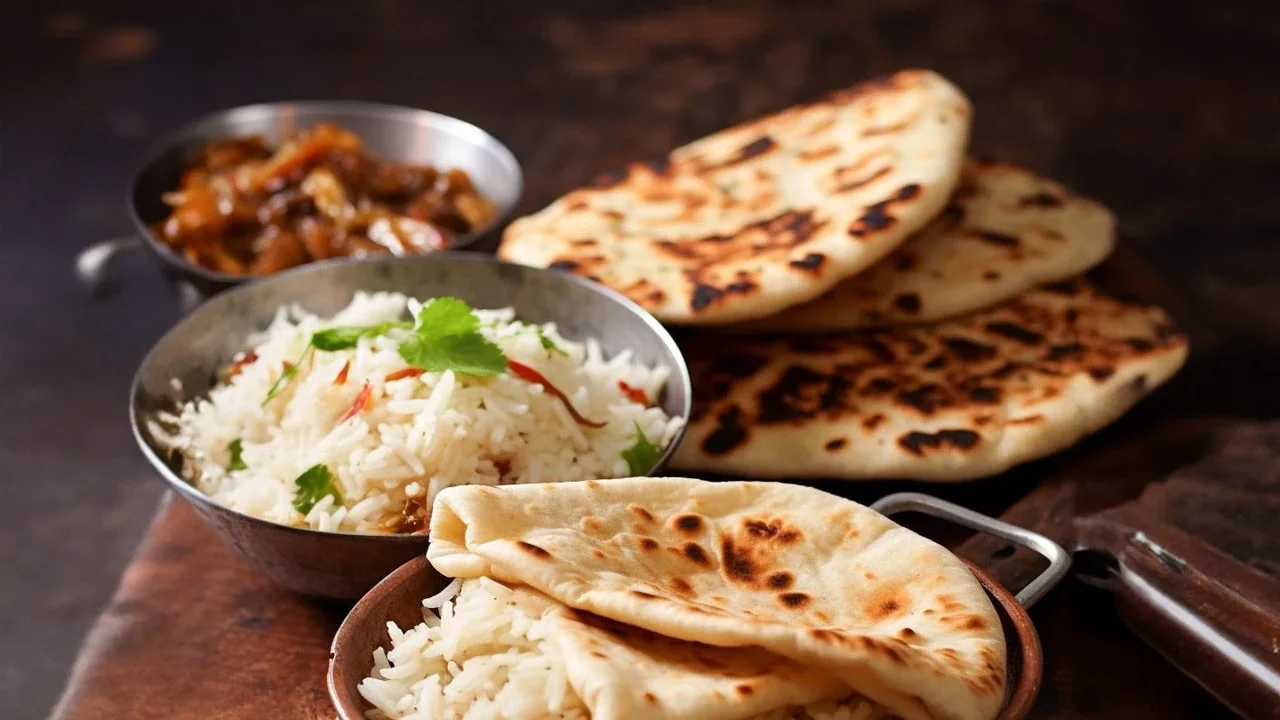
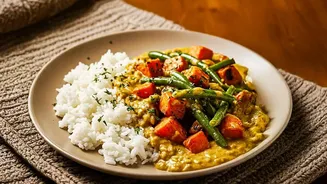
A meal consisting of only rice and vegetables often lacks two crucial components for satiety: protein and healthy fats. White rice is primarily a simple carbohydrate, which your body digests quickly, leading to a rapid rise and fall in blood sugar that
can trigger hunger. While vegetables are packed with essential vitamins, minerals, and some fiber, they are typically low in both protein and fat. This combination means your meal may not have the staying power to keep you feeling full and energized for long, no matter how large the portion. Your hunger is not a flaw; it's a signal that your body needs a more balanced source of energy.
The Power of Protein
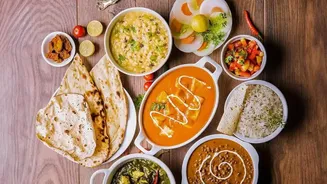
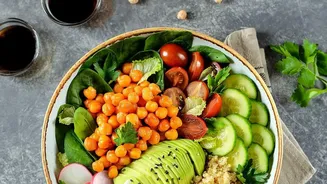
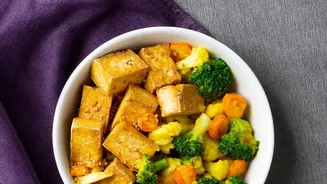
Protein is arguably the most important macronutrient for promoting a feeling of fullness. It slows down digestion, helps stabilize blood sugar levels, and sends signals to your brain that you are satisfied. When your meal lacks a significant protein source, you're more likely to experience cravings and a swift return of hunger. For a vegetarian meal, incorporating protein is essential. Excellent Indian and plant-based sources include lentils (dal), chickpeas (chana), kidney beans (rajma), tofu, paneer, and quinoa. Simply adding a cup of dal or a serving of paneer alongside your vegetables can transform a light meal into a deeply satisfying one that keeps you full for hours.
Don't Forget Healthy Fats
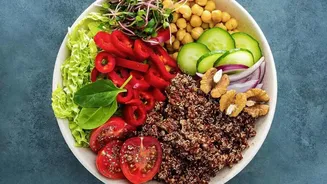
Fat has been unfairly villainized in the past, but healthy fats are vital for a filling meal. Fats slow down the rate at which your stomach empties, contributing significantly to long-term satiety. A meal low in fat can feel incomplete, even if it's high in volume. Incorporating sources of monounsaturated and polyunsaturated fats will make your food more satisfying and help your body absorb fat-soluble vitamins. Great vegetarian sources include nuts like almonds and walnuts, seeds such as chia and flax, avocados, and healthy oils like olive oil or even a traditional spoonful of ghee. Topping a curry with toasted nuts or adding seeds to a salad are simple yet effective ways to boost your meal's staying power.
The Fiber Factor
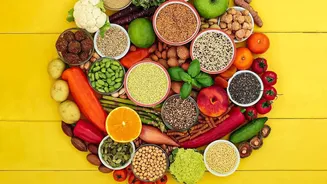
While vegetables provide fiber, not all carbohydrates are created equal in this regard. Fiber adds bulk to your meal and aids in digestion, both of which contribute to feeling full. However, if you are pairing your vegetables with refined grains like white rice, you are missing an opportunity to maximize your fiber intake. Swapping white rice for whole grains such as brown rice, millets, or quinoa provides more fiber, which helps to slow down the absorption of sugar and keep you satisfied for longer. Legumes are another fiber powerhouse, offering a dual benefit of both protein and fiber.
Building a Balanced Plate
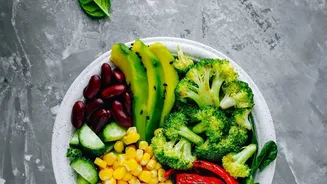
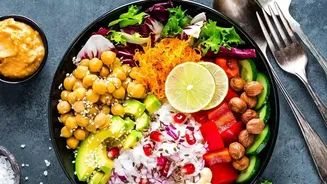
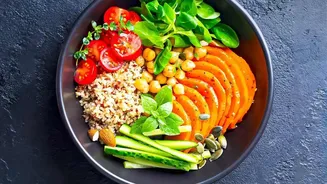
The solution isn't to eat more, but to eat more balanced meals. Think of your plate as a simple formula: a source of complex carbohydrates, plenty of vegetables, a solid protein anchor, and a dose of healthy fat. Instead of just aloo gobi with white rice, try a chickpea and spinach curry with brown rice and a side of yogurt. Instead of a plain vegetable stir-fry, add cubes of tofu or paneer and a sprinkle of sesame seeds. By ensuring each meal contains these key elements, you move from simply filling your stomach to truly nourishing your body in a way that provides lasting energy and satisfaction.