





More Than Just a Meal
Every country has a dish that feels like home. It’s the flavour that natives abroad dream of and the first meal they seek upon return. These aren't just recipes; they are edible emblems of national identity. From the simplest street food to a complex
festive feast, iconic dishes are steeped in history, geography, and shared memory. They tell the story of trade routes, migrations, royal kitchens, and humble family tables. Food becomes a symbol when it’s collectively embraced as part of a shared heritage, a taste that unites people and represents them to the outside world. This process turns a collection of ingredients into a statement of cultural pride and a story of who a people are.
The Unifying Plate of Biryani
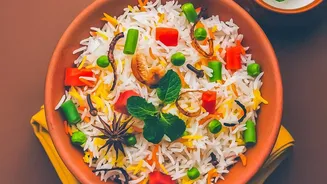
In India, few dishes command the same universal love and passionate debate as Biryani. While its exact origins are debated, many trace it back to Persian influences that mingled with Indian spices and cooking techniques, likely flourishing in Mughal kitchens. One popular tale credits Mumtaz Mahal with commissioning the dish as a nutritious, one-pot meal for undernourished soldiers. Today, Biryani is a subcontinent-wide phenomenon with countless regional personalities. The fragrant, potato-laced Kolkata Biryani tells a story of exiled nawabs, while the robustly spiced Hyderabadi Kachche Gosht ki Biryani speaks of Nizam royal patronage. Despite these variations, it is a dish that transcends regional divides, appearing at celebrations, family gatherings, and on restaurant menus from Kashmir to Kanyakumari, unifying a diverse nation through a shared appreciation for a complex, aromatic plate of rice and meat.
The Humble Heart of Khichdi
If Biryani is the food of celebration, Khichdi is the soul of comfort. This humble dish of rice and lentils cooked together is arguably one of India’s most ancient and enduring foods, with mentions in texts dating back millennia. It’s often the first solid food for babies and a restorative meal for the unwell. But its simplicity is deceptive. Khichdi holds deep cultural significance, prepared for festivals like Makar Sankranti in Uttar Pradesh and as a key part of Durga Puja bhog in Bengal. In many households, it’s also a go-to meal for a quiet night in, representing dependability and home. From the sattvic purity sought in spiritual practices to the nourishing warmth on a rainy day, Khichdi represents a different kind of national pride—one rooted in simplicity, wellness, and the quiet continuity of tradition.
From Naples to the World: Pizza's Journey
To see how a national icon can become a global ambassador, look no further than pizza. What began as a quick, inexpensive meal for the working class in Naples in the 18th and 19th centuries was transformed into a national symbol. Legend has it that in 1889, a baker named Raffaele Esposito created a pizza with tomatoes, mozzarella, and basil to represent the colours of the Italian flag for Queen Margherita. This royal endorsement elevated its status. As Italians migrated across the globe, they took their cuisine with them. However, it was post-war tourism that cemented pizza’s international fame. Today, from New York’s foldable slices to Chicago’s deep-dish pies, pizza has been adapted by countless cultures, yet it remains inextricably linked to its Italian heritage. It’s a perfect example of how national pride, when shared, can create a new, universally loved food culture.