The Invisible Grime
That dingy look on your supposedly clean laundry is often not a new stain, but the result of gradual accumulation. Over time, residue from laundry detergents, fabric softeners, and minerals from hard water can form layers on fabric fibres. While you may
not see it after each wash, this build-up traps body oils and dirt, leading to discolouration, stiffness, and even musty smells. It can also make fabrics, particularly towels, feel less absorbent than when they were new. This problem is especially common in households with hard water, as the high mineral content contributes significantly to the residue left on clothes.
Why Build-Up Causes Discolouration
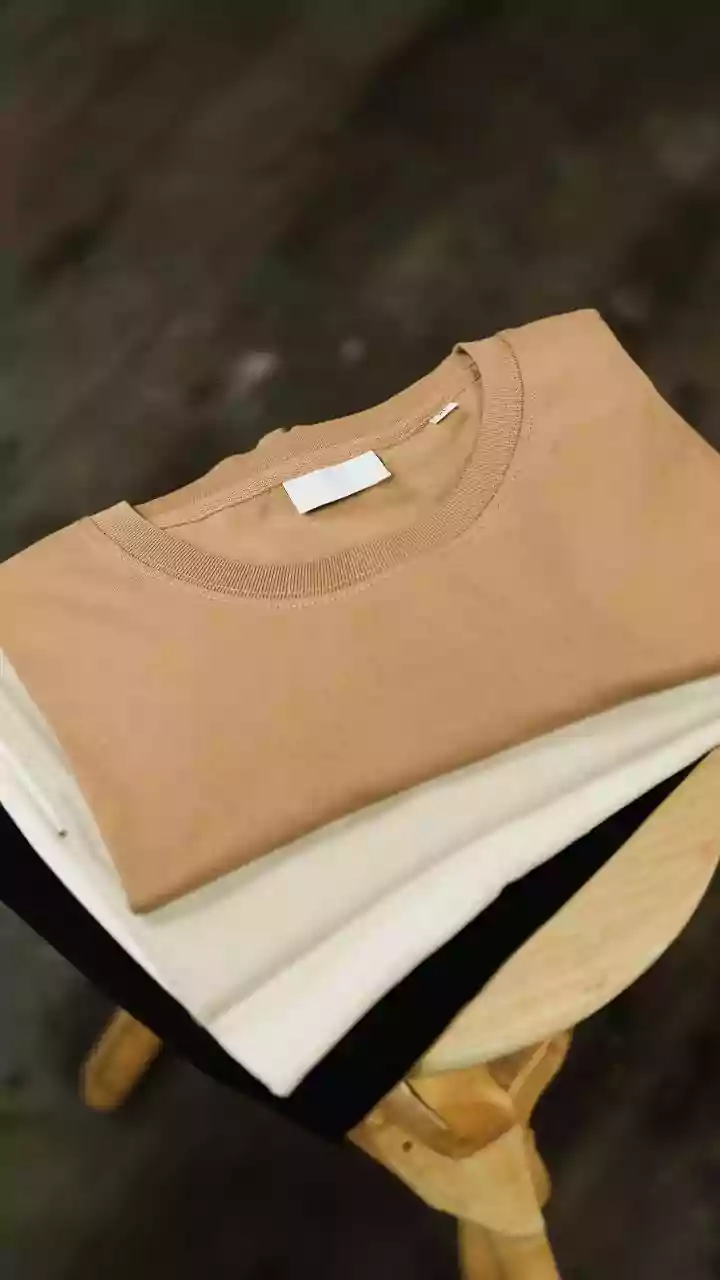
The primary reason for that yellowish or grey tint is that the film of residue acts like a magnet for soil. Even if you use the right amount of detergent, a pre-existing layer of build-up can prevent your clothes from getting fully clean. Body oils and sweat are common culprits, and when they get trapped in this residue, they can cause yellowing, especially around collars and underarms. In other cases, simply using too much detergent or fabric softener can leave behind a soapy residue that attracts and holds onto dirt. Over time, the combination of these trapped particles is what makes your bright whites look old and tired.
The Solution: Laundry Stripping
To effectively combat discolouration, you first need to remove the layers of build-up. This process is called laundry stripping, a deep-soaking method designed to pull out all the trapped minerals, detergents, and oils. It's an occasional reset for your laundry, not a weekly task, and it works best on sturdy items like cotton sheets, bath towels, and washcloths. Before you start, gather your supplies: you’ll need a bathtub or a large basin, hot water, borax, washing soda (sodium carbonate), and a powdered laundry detergent. The typical recipe for a standard bathtub is a 1:1:2 ratio: ¼ cup of borax, ¼ cup of washing soda, and ½ cup of powdered detergent.
A Step-by-Step Guide to Stripping
Laundry stripping is most effective on items that are already considered clean. Start by filling your bathtub or large basin about halfway with the hottest water your fabrics can safely handle—always check the care labels first. Add the borax, washing soda, and powdered detergent, stirring the water with a long-handled spoon or stick until the powders completely dissolve. Next, submerge your clean laundry in the water, making sure the items are fully saturated and not overcrowded. Let the items soak for four to five hours, stirring them every hour or so to help release the buildup. Don't be alarmed if the water turns cloudy or murky brown; this is a sign that the process is working.
The Final Rinse and Wash
After several hours of soaking, the deep-clean is almost complete. Carefully drain the dirty water from the tub and wring out the excess moisture from each item. The fabrics might feel slick or coated, so a final wash is essential. Transfer the stripped laundry to your washing machine and run a full cycle using only water—do not add any more detergent or fabric softener. This rinse-only cycle will wash away any remaining residue from the stripping solution. Once the cycle is finished, dry the items as you normally would according to their care instructions. You should notice an immediate improvement in softness, absorbency, and brightness.
Tackling Remaining Stains
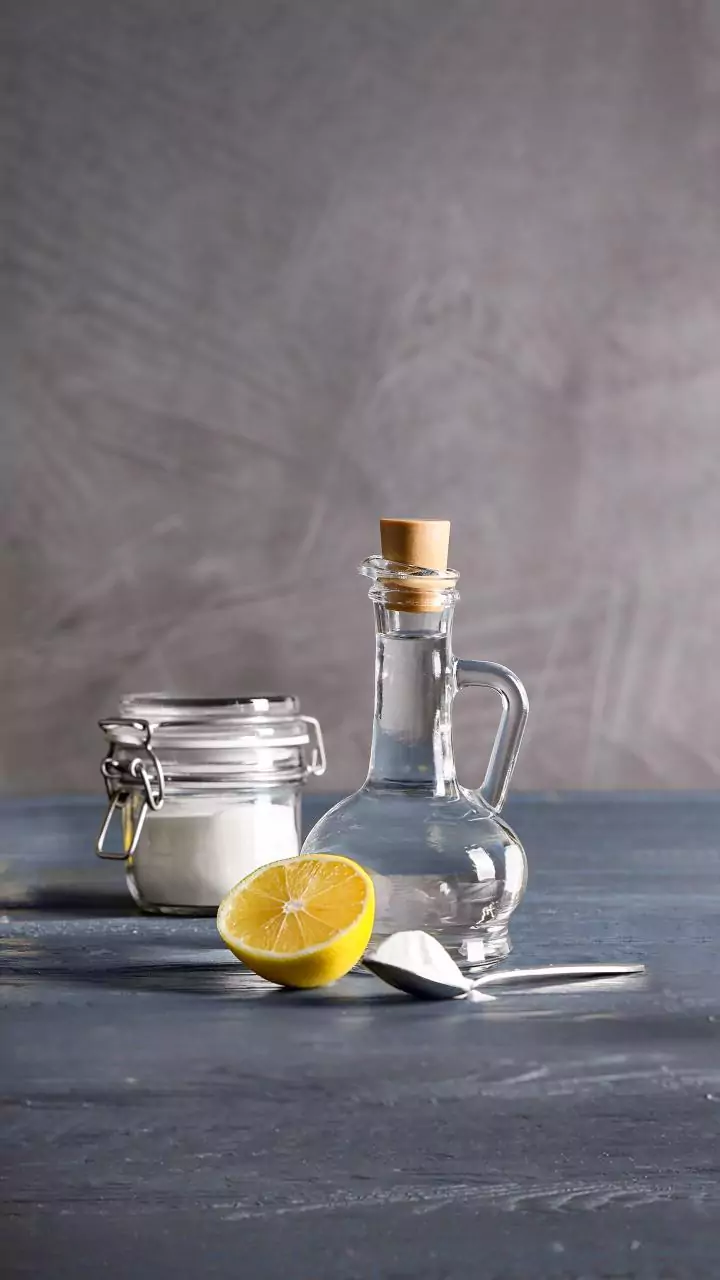
With the build-up gone, your fabrics are now in the perfect state for targeted stain treatment. Laundry stripping removes residue, but it may not eliminate set-in stains. If you still see yellowing, you can now treat it more effectively. For stubborn yellow spots, like those in underarm areas, a paste made from baking soda and a small amount of 3% hydrogen peroxide can be applied directly to the stain. Let it sit for about 30 minutes before rinsing. Another option is to soak the item in a solution of oxygen-based bleach and water, which is safer for many fabrics than chlorine bleach. Always test any treatment on a small, inconspicuous area first.