



The Search for Sustainable Joy
Let’s be honest: the best workout is the one you actually do. More often than not, the secret to consistency isn't discipline, but genuine enjoyment. The modern approach to fitness is less about punishing routines and more about finding movement that
makes you feel good. This is where the choice between activities like Zumba and roller skating becomes interesting. Both offer fantastic aerobic benefits, but they deliver their mood-boosting effects in very different ways. The 'guarantee' of a good mood isn't always there; some days the rhythm is off or the pavement is bumpy. Understanding their unique psychological payoffs can help you choose the right kind of fun for you.
Zumba: The Power of the Party
Zumba is a structured, high-energy dance fitness program that feels more like a party than a workout. Its primary psychological advantage lies in its vibrant, social group setting. The combination of upbeat Latin and international music, guided choreography, and a room full of people moving together creates a powerful sense of community and shared energy. This social connection is a potent antidote to stress and feelings of isolation. The exercise itself triggers the release of endorphins, the body’s natural mood-lifters, while the act of learning and focusing on dance moves provides a form of mindfulness, pulling you away from daily anxieties and into the present moment. Studies and participant testimonials show that people often leave a Zumba class feeling happier, more confident, and socially connected. The mood boost is largely driven by the collective, instructor-led experience.
Roller Skating: The Freedom of Flow
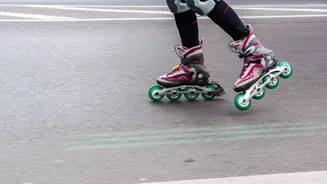
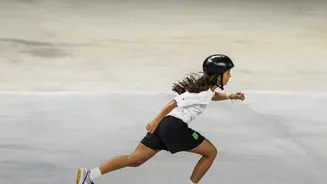
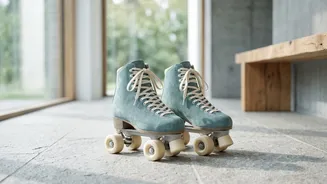
Roller skating offers a different flavour of joy, one rooted in freedom, nostalgia, and personal skill. The mental benefit often associated with skating is achieving a 'flow state'—a meditative zone where you become completely immersed in the activity. The rhythmic, gliding motion can be incredibly calming, helping to quiet a racing mind and reduce anxiety. Unlike the structured nature of a Zumba class, skating allows for autonomy. You choose your path, your pace, and whether to skate alone or with a small group of friends. This sense of freedom can be liberating. Furthermore, there is a clear and satisfying sense of progression. Mastering a new turn, learning to skate backwards, or simply feeling more stable on your wheels provides a tangible confidence boost that comes from personal accomplishment. The mood lift from skating is often more internally driven, connected to a sense of play and personal mastery.
A Head-to-Head Mood Comparison
So, which activity wins the mood battle? It depends entirely on what you're looking for. Zumba's joy is largely external and socially generated. If you thrive on group energy, love to dance without the pressure of a nightclub, and want a predictable mood lift from a high-energy class, Zumba is an excellent choice. The 'party' atmosphere is designed to make you smile. Roller skating's happiness is more internal and conditional. The joy comes from the feeling of gliding, the freedom of movement, and the pride of improving your skills. It's perfect for those who enjoy solo activities or small-group fun, and who find peace in rhythmic, repetitive motion. However, this mood boost is less guaranteed; a frustrating session trying to nail a new trick or navigating a crowded path might not feel as instantly joyful. It’s a pursuit of personal bliss rather than joining a collective celebration.
Practicality and Accessibility
Beyond mood, practical matters are key. Zumba classes are widely available in gyms and community centres across India, making them highly accessible. You just need to show up. Roller skating requires safe, smooth surfaces like parks or rinks, which can be harder to find. In terms of calorie burn, both are effective. An hour of moderate-to-intense Zumba can burn between 300 to 600 calories. Roller skating at a moderate pace for an hour burns around 400-600 calories, depending on your weight and intensity. The risk of injury also differs; Zumba is generally low-impact, though twists and turns can strain joints, while skating carries a higher risk of falls, making protective gear essential.