




The Magical Transformation of Garlic
The garlic you know and love—sharp, pungent, and spicy when raw—undergoes a complete personality change in the oven. The science behind this is a process of slow, gentle cooking that tames its aggressive bite. Raw garlic's intensity comes from a compound
called allicin, which forms when its cells are crushed or chopped. Heat, however, breaks down these harsh sulfur compounds. As the garlic roasts, its natural starches and proteins are broken down into simpler sugars. This leads to caramelization and the Maillard reaction, the same process that gives seared meat and toasted bread their delicious, complex flavours. The result is garlic that is soft, sweet, nutty, and deeply savoury, with a texture so creamy you can spread it like butter.
Your Simple Guide to Roasting Garlic
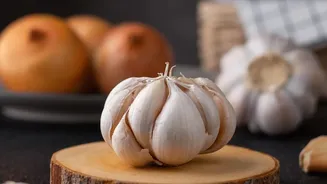
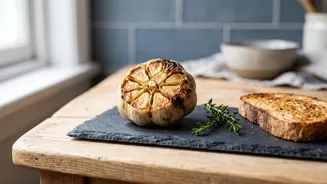
Achieving this culinary magic at home is surprisingly simple and requires minimal effort. All you need is a whole head of garlic, olive oil, salt, and some aluminium foil. First, preheat your oven to around 200°C (400°F). Take a whole head of garlic and, using a sharp knife, slice off the top quarter-inch to expose the tops of the individual cloves. Place the garlic head on a piece of foil, drizzle it generously with olive oil, and sprinkle with a pinch of salt. Wrap the foil around the garlic to create a sealed packet. Place it in the oven and roast for about 30 to 40 minutes. You’ll know it’s done when the cloves are golden brown, fork-tender, and your kitchen is filled with an irresistible aroma. Let it cool slightly before handling.
How to Use Your Roasted Garlic
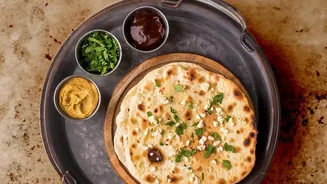
Once you have a head of soft, caramelised garlic, the possibilities are endless. To use it, simply squeeze the base of the head and the creamy cloves will pop right out. You can spread them directly onto warm toast, naan, or roti for an instant flavour upgrade. For a quick and delicious dip, mash the cloves and mix them with hung curd or hummus. Whisk them into salad dressings or stir them into soups and dals for a layer of subtle sweetness and depth. One of the most popular uses is to mix the mashed cloves into softened butter to create a compound butter, which is perfect for melting over grilled vegetables, steak, or corn on the cob. You can also toss the cloves with pasta, mix them into mashed potatoes, or even use them as a sophisticated pizza topping.
Tips for Perfect Results and Storage
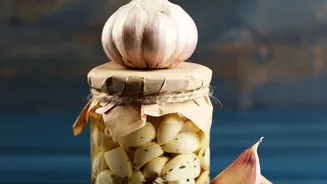
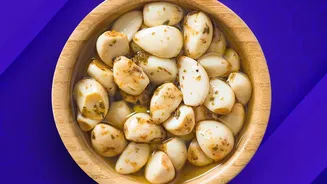
While the process is straightforward, a few tips can ensure success every time. Be careful not to roast the garlic at too high a temperature, as this can cause it to burn and become bitter. Ensure you use enough olive oil to keep the cloves moist as they cook. For a different approach, you can also separate the cloves, peel them, and roast them in a small baking dish covered in oil. Once roasted, you can store the garlic in an airtight container in the refrigerator for up to four days. To extend its shelf life, you can place the roasted cloves in a jar, cover them completely with olive oil, and refrigerate for up to two weeks; the infused oil is also fantastic for cooking. For longer-term storage, freeze individual roasted cloves on a baking sheet before transferring them to a freezer bag.