


A Taste of Tradition and Culture
Homemade white butter, or 'safed makkhan', is more than just a dairy product in India; it's a cherished part of the nation's culinary and cultural heritage. Its story is deeply woven into mythology, most famously associated with Lord Krishna, who was
endearingly called 'Makhan Chor' for his love of stealing fresh butter. This divine connection makes white butter a significant offering during festivals like Janmashtami, symbolizing purity, love, and devotion. Traditionally prepared in households by churning 'malai' (cream) collected from milk, this practice has been passed down through generations. This simple, unprocessed nature is what sets it apart and makes it a symbol of pure, unadulterated goodness in the Indian kitchen.
The Making of Makkhan: Simple and Pure
The process of making white butter at home is a testament to its natural origins. It begins by collecting the thick cream, or malai, that forms on top of boiled and cooled milk. This cream is collected over a few days and then churned, either with a traditional wooden churner ('madhani') or a modern blender. As the cream is agitated, the fat globules begin to separate from the liquid. With the addition of cold water, these globules clump together, forming soft, luscious lumps of butter. The remaining liquid is buttermilk ('chaas'). The separated butter is then rinsed a few times in cold water to wash away any residual buttermilk, which helps improve its shelf life. The result is fresh, unsalted butter, free from the preservatives and colouring agents often found in commercial varieties.
White vs. Yellow: What's the Difference?
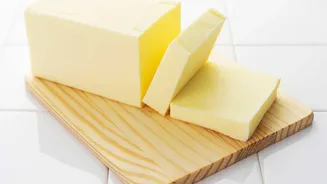
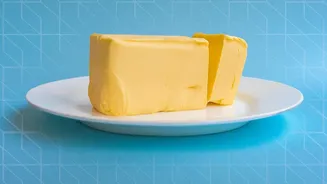
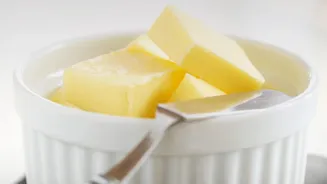
The most obvious difference between homemade white butter and its common store-bought yellow counterpart is the colour and taste. White butter is typically unsalted and has a milder flavour. Commercial yellow butter, on the other hand, is usually salted for preservation and flavour. The yellow hue often comes from beta-carotene, a pigment naturally present in the milk of grass-fed cows, but sometimes colour is added during processing. Beyond this, the key distinction lies in the processing. Homemade white butter is minimally processed, whereas commercial butter undergoes industrial procedures that may alter its nutritional composition. White butter also tends to have less lactose and fewer milk solids, which may make it easier to digest for some individuals with sensitivities.
The Nutritional Breakdown
While it is a fat-rich food, the nutritional profile of white butter offers several benefits when consumed in moderation. It is a potent source of fat-soluble vitamins, including Vitamin A, D, and E. Vitamin A is crucial for vision and immune function, Vitamin D is essential for bone health, and Vitamin E is an antioxidant that protects skin cells. White butter also contains butyrate, a short-chain fatty acid that is beneficial for gut health and may help reduce inflammation. Furthermore, it is a source of lecithin, a compound that aids in the metabolism of fats. It also contains Arachidonic Acid (AA), a fatty acid that supports brain function and development.
Health Benefits in Moderation
When incorporated mindfully into a balanced diet, white butter can offer tangible health perks. Its healthy fat content not only provides a quick source of energy but also helps the body absorb essential fat-soluble vitamins from other foods. The presence of nutrients like Vitamin A and D contributes to a stronger immune system. The healthy fats and Vitamin E nourish the skin, helping to improve its elasticity and giving it a healthy glow. Some traditional beliefs and Ayurvedic principles also suggest that white butter helps lubricate joints. However, it's important to remember that it is high in calories and saturated fat. A small spoonful on a roti or with dal is a good way to enjoy its benefits without overconsumption.