



Bengaluru at the Centre of the Cosmos
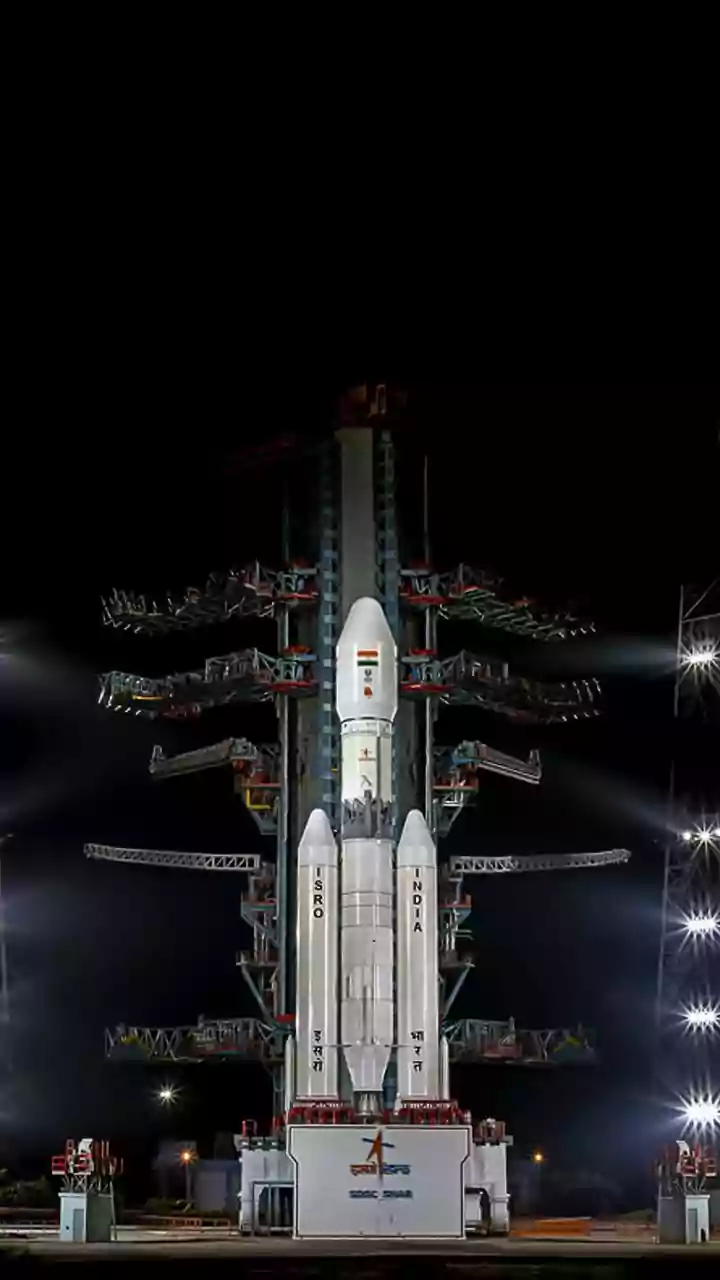
The second edition of the International Conference on Spacecraft Mission Operations (SMOPS-2026) brought together global space agencies, industry leaders, and academics in Bengaluru to discuss the future of space. Hosted jointly by the Indian Space Research
Organisation (ISRO), the Astronautical Society of India (ASI), and the International Academy of Astronautics (IAA), the event’s theme focused on innovative and sustainable mission management. With Bengaluru being the hub of India's space activities, including ISRO's Telemetry, Tracking and Command Network (ISTRAC), the city was the natural choice to host this critical dialogue on managing the increasingly congested orbital environment.
The Growing Danger of Space Debris
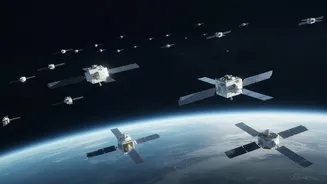
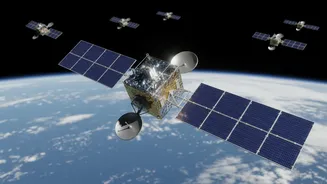
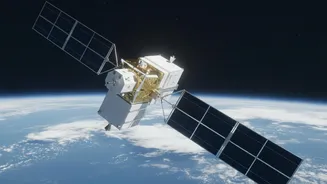
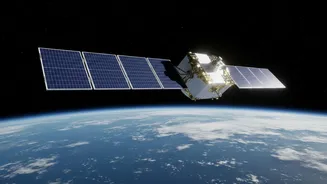
The primary concern driving the conversation is space debris—millions of pieces of defunct satellites, discarded rocket stages, and fragments from past collisions hurtling around the planet at incredible speeds. The evidence presented at SMOPS-2026 paints a stark picture: this orbital junk poses a constant threat to the more than 50 operational Indian satellites that provide crucial services for communication, weather forecasting, and national security. A collision with even a small piece of debris could destroy a multi-crore satellite, disrupting essential services on the ground. ISRO's own reports show a dramatic increase in collision avoidance manoeuvres, highlighting the escalating risk.
India's Eye in the Sky: Project NETRA
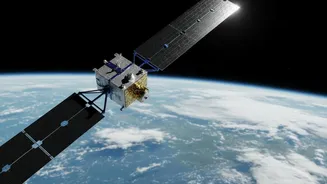
A key piece of evidence behind India's space traffic management strategy is its growing indigenous capability. At the forefront is Project NETRA (Network for space object TRacking and Analysis), an early warning system designed to detect and track orbital debris. This initiative gives India an independent capacity for Space Situational Awareness (SSA), reducing its reliance on data from other nations. NETRA integrates radars and optical telescopes to monitor objects, predict their paths, and warn of potential collisions. The SSA Control Centre in Bengaluru is the nerve centre for this operation, making India a formidable player in ensuring the safety of space assets.
The Search for Solutions
Presenting evidence of a problem is only half the battle; finding solutions is the other. Discussions at SMOPS-2026 centred on the need for a global Space Traffic Management (STM) framework, much like air traffic control for aviation. This involves establishing international norms for data sharing, collision avoidance procedures, and responsible satellite deployment. Experts from NASA and the European Space Agency joined their ISRO counterparts to discuss the role of Artificial Intelligence in automating tracking and the development of new technologies for active debris removal. For India, this includes R&D into robotic arms and docking technologies, demonstrated in the recent SpaDeX mission.
A 'Debris-Free' Future Mission
India is not just participating in the discussion; it aims to lead. ISRO has announced its 'Debris-Free Space Mission by 2030' initiative, committing that all Indian space actors, government and private, will aim for zero debris creation by the end of the decade. This ambitious goal involves ensuring launch vehicle stages re-enter the atmosphere and designing satellites with enough fuel to be moved to a 'graveyard orbit' at the end of their life. This commitment, showcased at SMOPS-2026, signals India's intent to be a responsible leader in promoting the long-term sustainability of outer space activities.