


The Green Wave in India's Cafes
Not long ago, matcha was an unfamiliar term for most Indians. Today, it's a rapidly growing beverage category, with some market reports showing a projected compound annual growth rate (CAGR) of over 8%. This boom is most visible in metropolitan cafes,
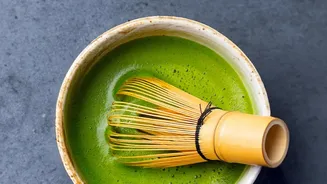
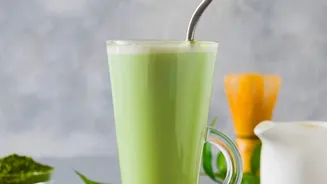
where matcha lattes, smoothies, and desserts are becoming as common as cappuccinos. The trend is fuelled by health-conscious millennials and Gen Z consumers who are drawn to matcha's benefits, including its high antioxidant content and reputation for providing a calm, focused energy boost. Social media has also played a huge role, with the drink's photogenic pastel green hue making it a star on Instagram feeds, embodying a clean, modern aesthetic.
Why All Green Tea Isn't Matcha
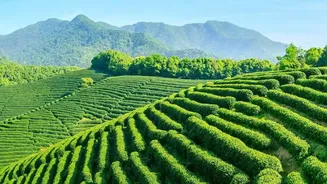
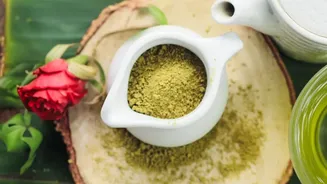
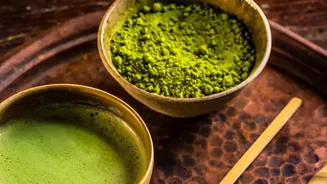
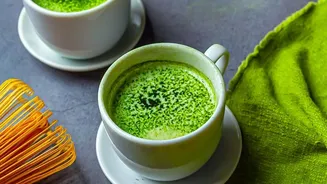
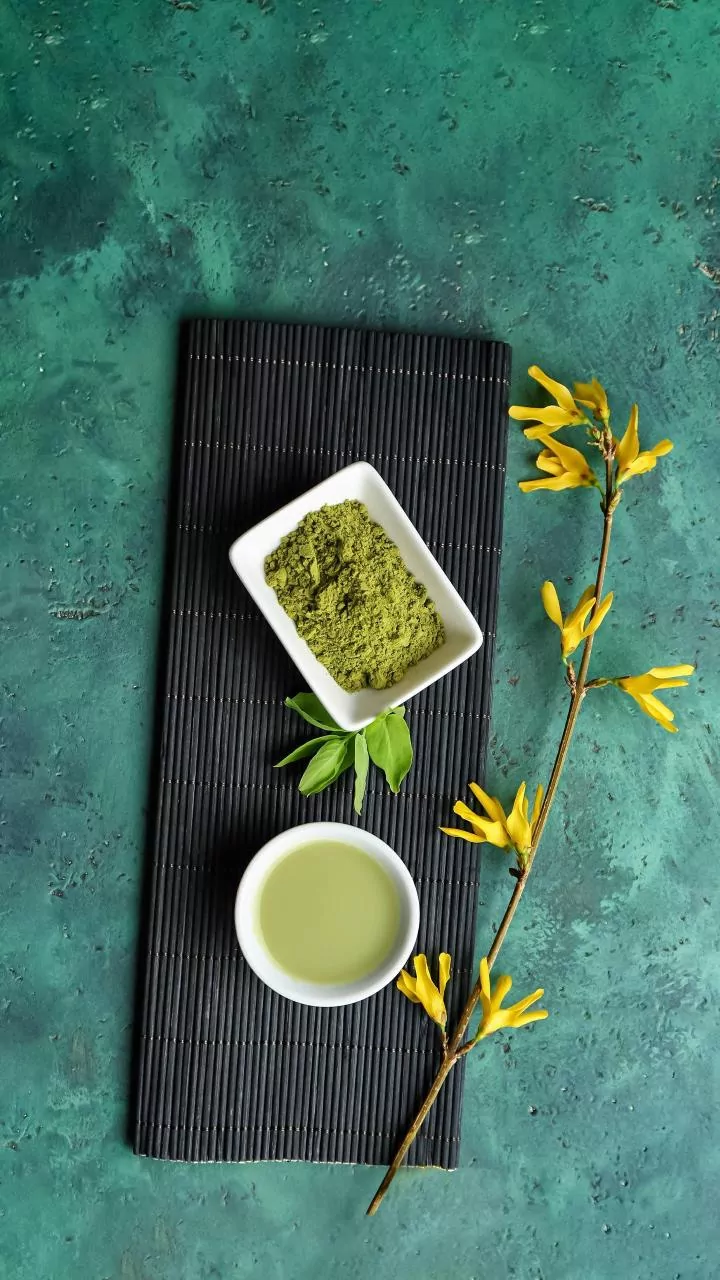
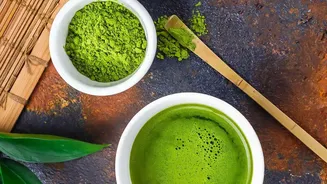
Part of matcha's premium status—and price—comes from its unique cultivation and production process. Unlike regular green tea, where leaves are steeped in water, matcha is a fine powder made from the entire tea leaf. The tea plants are shade-grown for three to four weeks before harvest. This crucial step increases chlorophyll and L-theanine levels, giving matcha its vibrant green colour and distinct 'umami' or savory flavour. After harvesting, only the youngest, most tender leaves are selected, steamed, dried, and slowly stone-ground into a delicate powder. This labour-intensive method, perfected over centuries in Japan, is what differentiates authentic matcha from imitators and justifies its higher cost.
The Japanese Monopoly on Quality
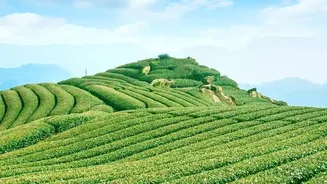
Authentic, high-quality matcha is almost exclusively sourced from Japan, with regions like Uji, Nishio, and Kagoshima being the epicentres of production. The country's specific climate, soil conditions, and centuries of specialised cultivation knowledge create a product that is difficult to replicate elsewhere. For Indian businesses, this means navigating a complex and expensive import process. Entrepreneurs face a staggering 100% import tax on Japanese green tea, instantly doubling the cost. Adding to the complexity are rigid labelling regulations from the Food Safety and Standards Authority of India (FSSAI) and logistical challenges in shipping a product that is highly sensitive to heat, light, and air.
From Ceremony to Cheesecake
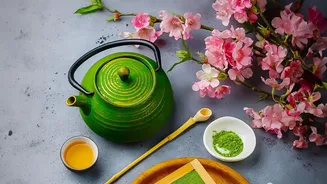
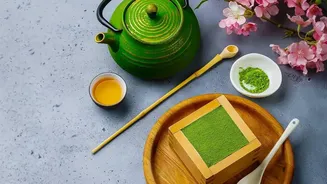
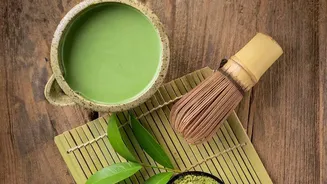
While matcha has its roots in traditional Japanese tea ceremonies, its adoption in India has been distinctly modern. Rather than focusing on the formal, ritualistic preparation, Indian consumers have embraced matcha's versatility. It's being creatively incorporated into a wide range of products tailored to local tastes, including lattes, ice creams, cheesecakes, and other fusion desserts. This culinary creativity has been key to its mainstream acceptance, introducing the unique flavour profile in familiar and accessible formats. Direct-to-consumer brands have also emerged, offering various grades of matcha, from 'ceremonial' for traditional drinking to 'culinary' for cooking and baking, helping to educate consumers and make the product more accessible.
Can India Grow Its Own Matcha?
The heavy reliance on expensive imports has naturally raised the question of domestic cultivation. India, with its own rich tea heritage in regions like Darjeeling and Assam, has the potential to enter the matcha market. However, the challenges are significant. It requires adopting Japanese cultivars bred specifically for matcha and mastering the precise, demanding techniques of shade-growing and processing. Despite these hurdles, the first steps are being taken. Recently, the Chota Tingrai Tea Estate in Assam produced India's first commercial batch of locally grown matcha, a major milestone that signals a potential shift from being just an importer to a producer. While still in its early days, this move could eventually make matcha more affordable and accessible to a wider Indian audience.