







The Trouble with Wellness Labels
Food marketing is designed to make you feel, not think. Brands use buzzwords and claims to create a 'health halo' around products that may not be as beneficial as they seem. For instance, the 'gluten-free' label is crucial for people with celiac disease,
as it's an enforceable standard regulated by the FDA to ensure safety. However, for the general population, there's often no inherent health benefit in avoiding gluten. Similarly, terms like 'keto-friendly' have no official definition, leaving manufacturers to make their own judgment calls. This can lead to a pantry filled with ultra-processed items that, despite their labels, don't contribute to overall well-being. The result is often confusion, anxiety, and a departure from whole, nourishing foods.
Pantry Pillar 1: Prioritise Protein
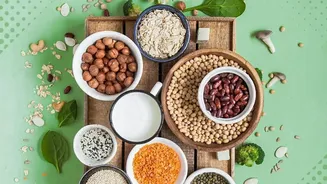
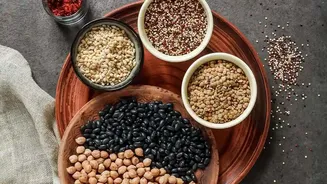
Instead of chasing labels, let's focus on foundational nutrients. First up: protein. Protein is an essential macronutrient, meaning your body needs it to build and repair tissues, support immune function, and create hormones. It is a powerhouse for satiety, the feeling of fullness that helps prevent overeating. A pantry stocked with good protein sources is the backbone of quick, healthy meals. Think beyond just fresh meat. Canned fish like tuna and salmon are affordable, shelf-stable options packed with lean protein and healthy fats. Plant-based heroes like canned or dried beans, chickpeas, and lentils are fantastic because they deliver both protein and our next essential nutrient: fibre.
Pantry Pillar 2: Fill Up on Fibre
Fibre is the unsung hero of a healthy diet. While protein builds, fibre maintains. It's crucial for digestive health, helping to regulate bowel movements and support a healthy gut microbiome. Found in plant-based foods, fibre also helps stabilise blood sugar and, like protein, contributes to feeling full for longer. The combination of protein and fibre is a nutritional power couple. Together, they promote stable energy levels and sustained satiety. Stocking your pantry is simple. Whole grains like oats, quinoa, and brown rice are excellent sources. Legumes, as mentioned, are fibre all-stars. Even nuts and seeds provide a solid dose, making them perfect for snacks or additions to meals.
Pantry Pillar 3: Don't Forget Flavour
Healthy eating will never be sustainable if the food is bland. Flavour is not a frivolous extra; it's a crucial component that makes nutritious food enjoyable and encourages you to stick with healthier choices. When food is satisfying and delicious, you are more likely to savour it, which can promote mindful eating and better portion control. Flavour is what turns a simple can of beans and some brown rice into a delicious meal you actually want to eat. A well-stocked 'flavour pantry' is just as important as your protein and fibre sources. This includes herbs, spices, low-sodium broths, vinegars, and healthy oils like olive oil. These items add immense taste without adding significant calories, sugar, or sodium, making healthy dishes more appealing and your diet more sustainable.
Building Your Evidence-Based Pantry
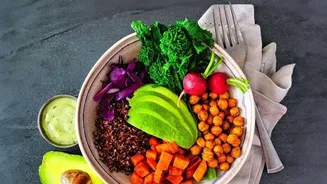
So, what does this look like in practice? Start by assessing what you have and clearing out the clutter. Then, stock up on your pillars. For protein, get canned tuna, salmon, chicken, and a variety of beans and lentils. For fibre, load up on whole grains like oats and quinoa, whole-wheat pasta, and keep nuts and seeds on hand for snacking. For flavour, create a collection of dried herbs, spices like cumin and paprika, garlic and onion powder, good quality olive oil, and different types of vinegar. With these staples, you always have the building blocks for a balanced and satisfying meal. A quick dinner could be as simple as a can of chickpeas sautéed with spices, served over quinoa with a drizzle of olive oil. That's protein, fibre, and flavour, all without a single wellness claim in sight.