




The Connectivity Revolution
A quiet revolution is reshaping how and where Indians travel. At its heart is a massive, coordinated push to improve connectivity. Government initiatives like the Bharatmala Pariyojana are creating a web of new expressways and economic corridors, while
the UDAN (Ude Desh ka Aam Nagrik) scheme is launching new airports and flight routes in smaller towns. This isn't just about reducing travel time; it's about fundamentally changing the calculus of travel. Destinations that were once considered too difficult to reach are now appearing on mainstream travel itineraries, transforming the domestic tourism landscape. This infrastructure boom has turned standalone destinations into interconnected circuits, encouraging longer, multi-stop journeys.
Spiritual Journeys Made Easy
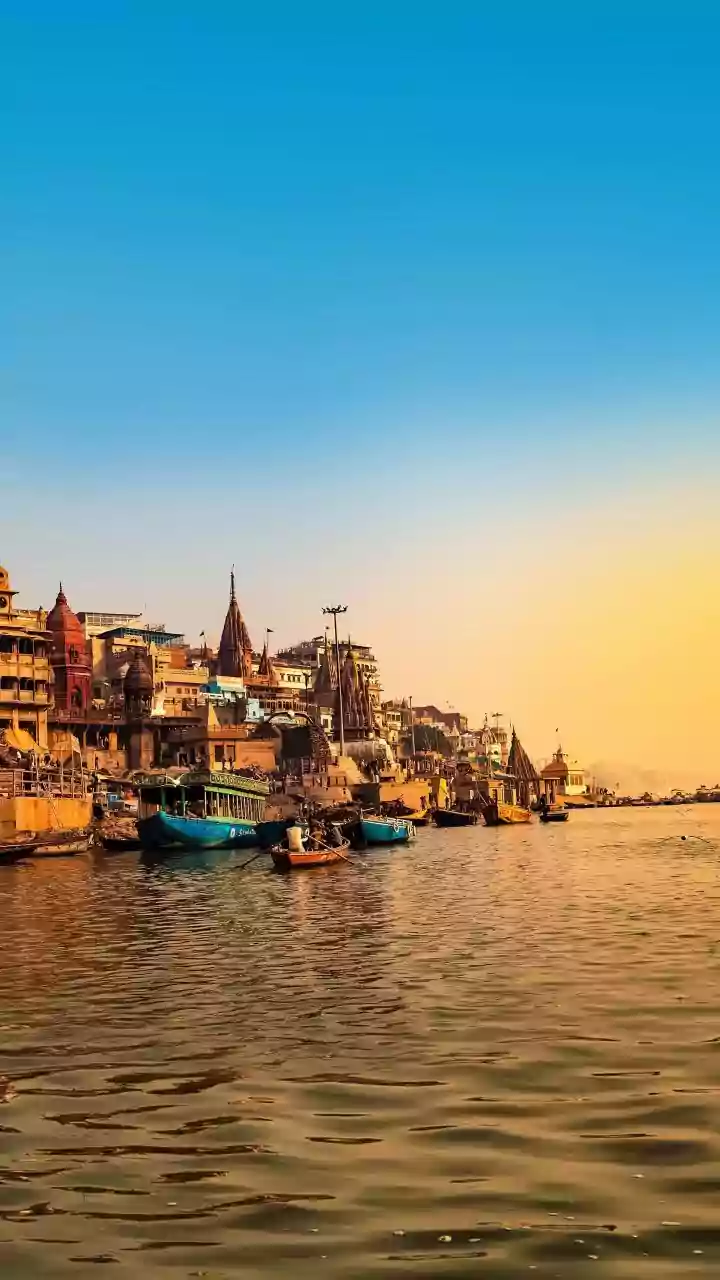
Spiritual tourism has always been a cornerstone of domestic travel, but improved infrastructure is making these journeys more accessible than ever. New corridors are linking major pilgrimage sites, allowing devotees and cultural tourists to cover multiple destinations in a single, seamless trip. For example, the Bundelkhand Expressway brings destinations like Khajuraho, Orchha, and Chitrakoot into a single, connected circuit. Similarly, the Samruddhi Mahamarg now links Shirdi, Nashik, and the Ajanta-Ellora caves. Upcoming projects like the Char Dham Mahamarg are set to further strengthen these networks. This infrastructure not only makes travel easier for pilgrims but also boosts local economies by creating a more organised tourism ecosystem.
Unlocking the Northeast
Perhaps no region has benefited more from the connectivity boom than Northeast India. For decades, these states were on the periphery of the mainstream tourist map, largely due to difficult terrain and limited access. Today, that is changing dramatically. New airports, such as the one in Arunachal Pradesh, and better road networks have opened up the region like never before. States like Meghalaya, with its living root bridges, and Mizoram, which has seen a tourism boom, are now major attractions. The UDAN scheme has been particularly crucial, launching dozens of new flight routes that connect the Northeast with the rest of the country. This has led to a surge in interest, with travellers drawn to the region's unique cultures and pristine landscapes.
New Adventures on Road and River
The impact of connectivity extends beyond planes and highways. India is also expanding its tourism network through alternative modes of transport. In hilly regions, ropeway projects under the Parvatmala programme are set to slash travel times to pilgrimage sites like Kedarnath and Hemkund Sahib from hours or days to mere minutes. On the water, new river cruise circuits are being developed on the Ganga and Brahmaputra, offering a different way to experience the country's landscapes and heritage. Furthermore, the development of water aerodromes for seaplanes is poised to open up island and coastal destinations in places like the Andamans and Lakshadweep, promising new frontiers for exploration.
From Itinerary to Economy
The emergence of these new circuits is more than just a travel trend; it's a significant economic driver. Improved access brings a ripple effect: hotels see higher occupancy, local artisans find new markets, and small businesses from restaurants to tour guides flourish. This shift is creating opportunities in places that were previously left out of the economic benefits of tourism. As once-isolated towns and villages become integrated into national tourism corridors, they gain a powerful new source of livelihood and growth. The transformation of India's travel map is not just about where people go for holidays, but about building a more connected and economically inclusive nation, one tourist circuit at a time.