

The Classic: Rava Upma
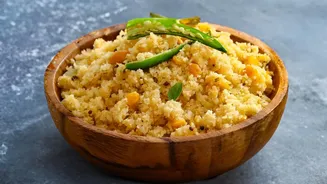
Before we dive into the variations, let's set the benchmark: the classic rava upma. Made from roasted semolina (sooji or rava), it’s a savoury porridge-style dish found in homes across the country. The preparation is straightforward—mustard seeds, urad
dal, chana dal, and curry leaves are tempered in oil or ghee, followed by onions, ginger, and green chillies. Roasted rava is then stirred in, followed by hot water. The result is a fluffy, light, and savoury dish, often studded with a few vegetables like peas and carrots and garnished with fresh coriander. This is the upma most of us know and love, a blank canvas upon which regional creativity shines.
Karnataka’s Khara Bath
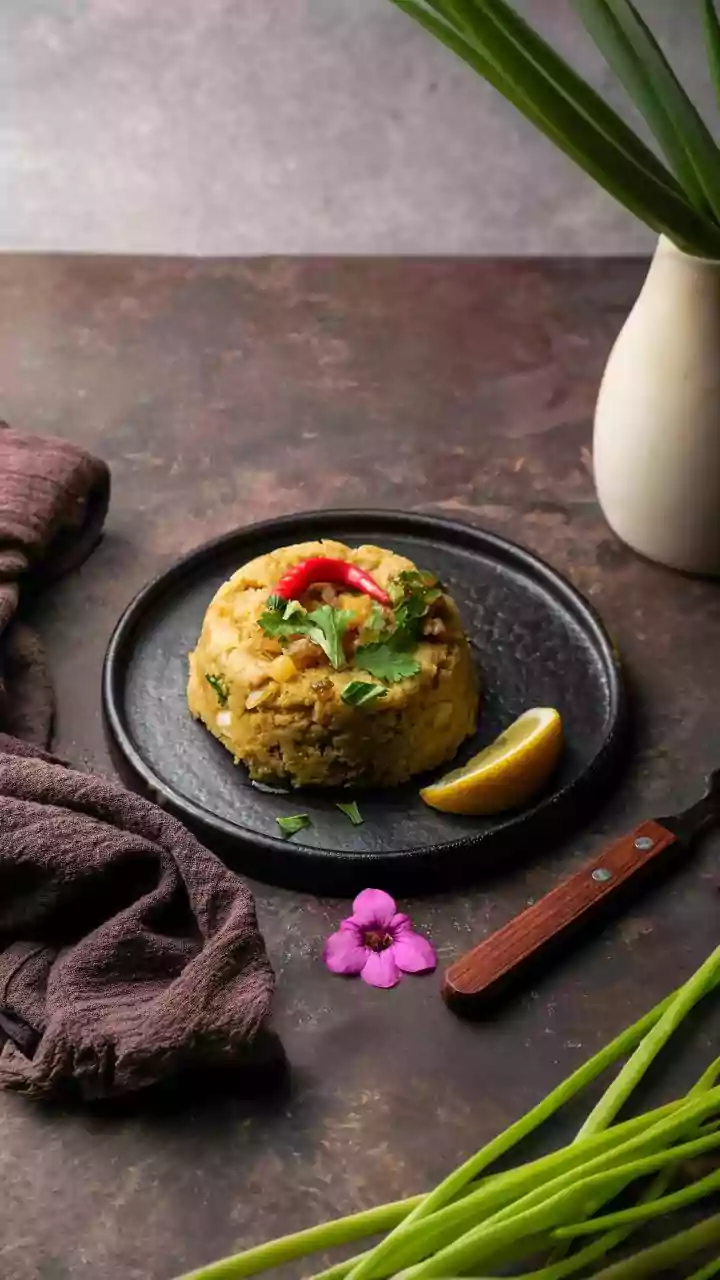
In Karnataka, upma often goes by the name 'Khara Bath', and it comes with a bolder, spicier flavour profile. The preparation is more elaborate, involving a special spice mix known as Vangi Bath powder, which lends a distinctive aroma and taste. It’s loaded with vegetables like carrots, beans, and peas. The texture is typically softer and moister than a standard upma. Khara Bath is famously served as one half of 'Chow Chow Bath', a popular breakfast combination in Bangalore eateries where it shares a plate with its sweet counterpart, Kesari Bath (a sweet semolina dish). This pairing of spicy and sweet is a true Karnataka classic.
Tamil Nadu’s Tangy Tomato Upma
Travel to Tamil Nadu, and you’ll find 'Thakkali Upma', or Tomato Upma, a version where ripe, juicy tomatoes are the star. Instead of being a minor addition, tomatoes are sautéed down with onions until they become soft and pulpy, infusing the entire dish with a vibrant orange-red hue and a pronounced tangy flavour. This changes the upma from being purely savoury to having a delicious sour kick that cuts through the richness of the semolina. It’s often spicier, with a generous hand of green chillies, and requires little to no accompaniment, although a simple coconut chutney or a dollop of curd complements it beautifully.
The Gluten-Free Rice Upma
Primarily found in Karnataka and Tamil Nadu, rice upma offers a wonderful gluten-free alternative. In Karnataka, it's known as 'Akki Tari Uppittu', made from coarse rice flour or broken rice grains (akki tari). The texture is distinct from its semolina cousin—it's less fluffy and has a more substantial, slightly chewy bite. The cooking process is longer as rice grains take more time to soften. It's seasoned simply, often with just mustard seeds, dals, and green chillies, allowing the earthy flavour of the rice to come through. Grated coconut is a common and essential addition, adding moisture and richness.
Maharashtra’s Chewy Sabudana Twist
While often called 'Sabudana Khichdi', this Maharashtrian favourite is prepared in a style very similar to upma and is a beloved breakfast and fasting dish. It uses soaked tapioca pearls (sabudana) instead of semolina. The pearls are sautéed with a tempering of cumin seeds, green chillies, and curry leaves, then mixed with coarsely crushed roasted peanuts. The result is a unique dish with a delightful chewy and soft texture, punctuated by the crunch of peanuts. A squeeze of lemon juice and a garnish of fresh coriander at the end brighten up the flavours, making it a truly addictive preparation.
Andhra’s Poha Upma
In Andhra Pradesh and Telangana, flattened rice, or 'atukulu', is used to create a quick and light upma variant often called 'Atukula Upma'. Unlike Maharashtrian poha which is often steamed, this version follows the upma technique more closely. The thick variety of poha is briefly soaked and then added to a tempering of mustard seeds, dals, onions, and peanuts. It cooks in minutes, absorbing the flavours of the spices. It’s light on the stomach and can be made tangy with tomatoes or lemon, making it a popular and speedy breakfast choice across the region.