
A Leap Above the Lanes
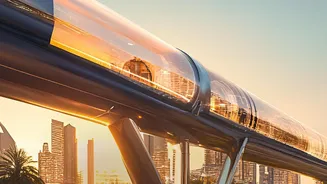
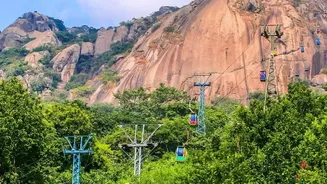
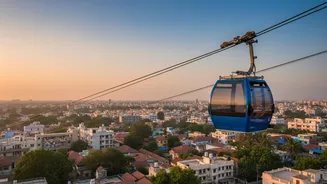
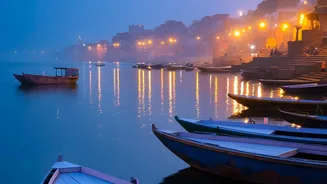
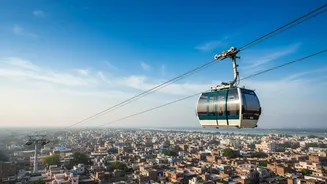
Varanasi, one of the world's oldest living cities, is tackling a modern problem with a futuristic solution: an urban ropeway. This landmark project, the first of its kind for public transport in India, will connect the busy Varanasi Cantonment railway
station to Godowlia Chowk, a key access point for the Kashi Vishwanath Temple and Dashashwamedh Ghat. Spanning roughly 3.8 kilometres, the ropeway is designed to ferry passengers over the city's notoriously congested streets, cutting a journey of up to an hour down to just 16 minutes. With around 150 cabins, each holding 10 passengers, the system is expected to carry nearly 100,000 people per day, offering a fast, electric-powered, and scenic alternative to road transport for pilgrims, tourists, and residents alike. The goal is to slash traffic, reduce pollution, and improve access to the spiritual heart of the city without resorting to large-scale demolition in its historic core.
The Last-Mile Disconnect
However, the success of any major transit system is not just about the speed of its main line; it is about the entire journey from door to destination. This is where the concept of 'last-mile connectivity' becomes critical. A passenger arriving at a state-of-the-art ropeway station is still left stranded if they cannot easily and safely continue their journey. In a city as complex as Varanasi, this final leg of the trip—from the station exit to a specific temple, ghat, hotel, or home—is arguably the most challenging part. Without a clear plan for this transition, the new infrastructure risks becoming an isolated marvel rather than an integrated solution. The convenience gained by flying over traffic can be quickly lost in the chaos of finding an auto-rickshaw, navigating a crowded footpath, or simply figuring out which way to go.
Varanasi's Ground-Level Reality
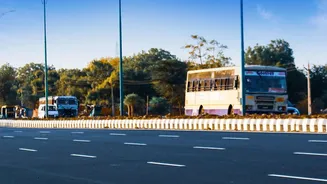
The ground-level challenge in Varanasi is unique. The city's core is a dense labyrinth of narrow lanes (galis), which are essential to its character but impossible for most modern vehicles to navigate. These lanes are shared by pedestrians, two-wheelers, handcarts, and even livestock, creating a constant, complex flow of movement. Major hubs like Godowlia Chowk are perpetually choked with a mix of cycle-rickshaws, e-rickshaws, cars, and massive crowds of devotees and tourists. A recent challenge by the Toyota Mobility Foundation specifically aimed to find innovative ways to manage crowd flow in Kashi's old city, highlighting the scale of the problem. Simply depositing thousands of ropeway passengers per hour into this environment without a strategy could worsen congestion, create safety hazards, and undermine the entire purpose of the project.
Designing a Seamless Transfer
Creating a smooth transfer experience requires deliberate design. The solution isn't a single fix but a network of integrated services. This begins at the ropeway stations themselves, which are planned to include facilities like lifts and escalators for accessibility. But it must extend beyond the station doors. Authorities should consider designated zones for e-rickshaws and other feeder services, preventing the chaotic scrambles that plague many transport hubs. Clear, multilingual signage is essential to guide visitors, many of whom are unfamiliar with the city. Well-lit, dedicated pedestrian walkways connecting stations to key destinations would ensure safety and convenience. Furthermore, digital integration could play a huge role. Imagine an app that not only manages ropeway tickets but also allows passengers to book an onward e-rickshaw or see real-time walking directions, creating a single, fluid journey. Projects in other Indian cities, like Kochi's integrated transit platform, offer a template for this kind of multimodal coordination.