


A Gulf Coast Spaceport of Unprecedented Scale
SpaceX has announced a staggering $100 billion investment to build what it calls "Starbase Louisiana" on a 125,000-acre tract of coastal land near Pecan Island. This facility is not just another launch pad; it's slated to become the company's largest
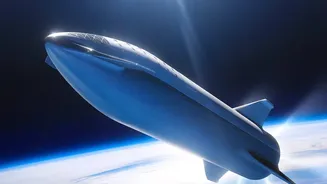
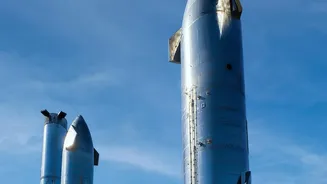
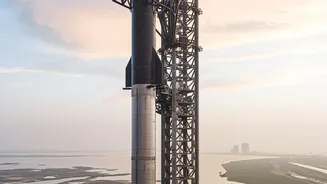
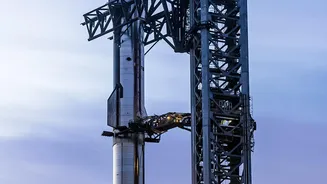
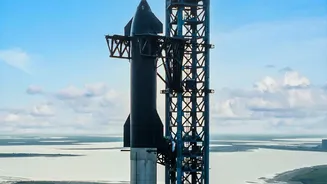
and most advanced spaceport, designed to handle thousands of launches per year. The plans are immense, calling for five separate launch complexes, each equipped with two launch pads for a total of ten, plus on-site propellant production, power generation, and even housing for employees. This makes it the fourth major launch location for SpaceX, joining sites in Florida, California, and its existing Starbase in Texas. At this scale, the Louisiana facility is central to SpaceX’s strategy of dramatically increasing the flight rate of its next-generation, fully reusable Starship vehicle.
The Strategic Louisiana Advantage
The selection of Vermilion Parish was the result of a meticulous seven-year search for a location that met a unique set of criteria. According to company officials, the site offers a perfect combination of a coastal location with low population density, abundant access to natural gas for fueling its Raptor engines, and a clear downrange path over the Gulf of Mexico for a wide variety of launch trajectories. The massive acreage, formerly owned by Exxon, provides a crucial buffer zone that is nearly impossible to find on more developed coastlines. Furthermore, its position on the Intracoastal Waterway is a key logistical benefit, allowing SpaceX to barge massive Starship components between its facilities in Texas and Florida.
Economic Liftoff for the Acadiana Region
The economic ripple effects of this project are expected to be transformative for the region. SpaceX has committed to creating 3,000 direct new jobs over the next decade, with an average annual salary of around $92,600—nearly double the parish's current average wage. Beyond that, state economic development officials estimate the project will generate over 8,100 indirect jobs, leading to more than 11,000 new job opportunities across Acadiana. This influx of high-paying jobs in fields from engineering to welding is poised to create a new economic pillar for an area historically tied to the oil and gas industry. The project is supported by a state incentive package, and SpaceX has also committed to a significant payment in lieu of taxes to local authorities.
The Road to Launch: Construction and Environmental Considerations
While the announcement is monumental, the first launch is still several years away. Construction is slated to begin in 2027, with the first Starship mission from Louisiana targeted for 2029. The development will take place on sensitive coastal marshland, a popular area for fishing and a habitat for numerous bird species. In response to environmental concerns, SpaceX officials have stated that large portions of the 125,000 acres will remain untouched wetlands. The company plans to partner with state agencies on a major coastal restoration effort, using dredged material to create new marshland and help restore the natural storm buffer the coast has lost over time. However, some conservation groups have raised concerns about the potential impact of noise and activity on wildlife and the possibility of waived environmental reviews.