



Beyond the Six-Pack: Understanding Core Stability
When most people hear 'core workout', they immediately think of building a visible six-pack. But true core fitness goes much deeper than the superficial abdominal muscles. The real goal is core stability: the ability of your deep inner muscles to keep
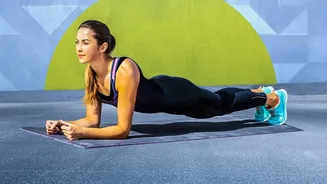
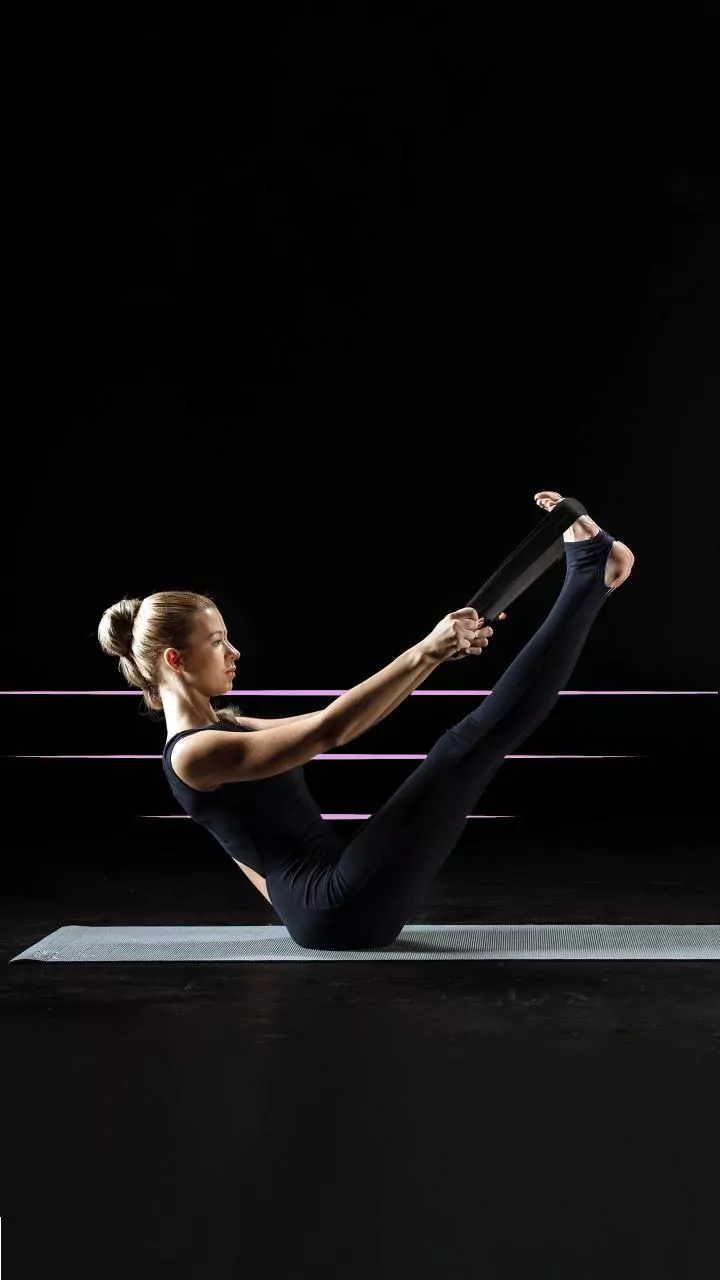
your spine steady and supported during any movement. This network includes your transverse abdominis, obliques, and lower back muscles, all working together to create a solid foundation for your body. While core strength is about generating force (like in a sit-up), core stability is about resisting unwanted motion and maintaining control. Without a stable core, your body struggles to move safely, leaving you more vulnerable to poor posture and injury.
What Are Beam Balance Exercises?
Often associated with elite gymnastics, the principles of beam balance training are accessible to everyone. The concept is simple: performing exercises on a narrow, slightly unstable surface. This doesn't mean you need to install a professional-grade apparatus in your living room. For beginners, a low-profile foam balance beam, or even a line of tape on the floor, can provide the necessary challenge. The goal is to force your body to constantly make micro-adjustments to stay upright. This simple act of balancing engages your deep core muscles in a way that static exercises often miss. It turns your workout into a conversation between your brain and your body.
The Science of a Stronger Center
Walking or performing simple movements on a beam is a powerful workout because it’s inherently destabilizing. To keep from falling, your body must activate its deep stabilizing muscles around the spine and hips. This process dramatically improves proprioception—your body's awareness of its position in space. Tiny sensors in your muscles and joints send constant feedback to your brain, which in turn directs your core to fire and maintain balance. Unlike exercises like crunches that isolate specific muscles, balancing on a beam demands that your entire core musculature works in harmony, leading to more functional, integrated strength that translates directly into better posture and everyday movement.
Getting Started: Simple Exercises to Try
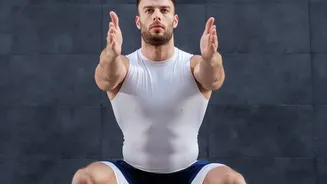
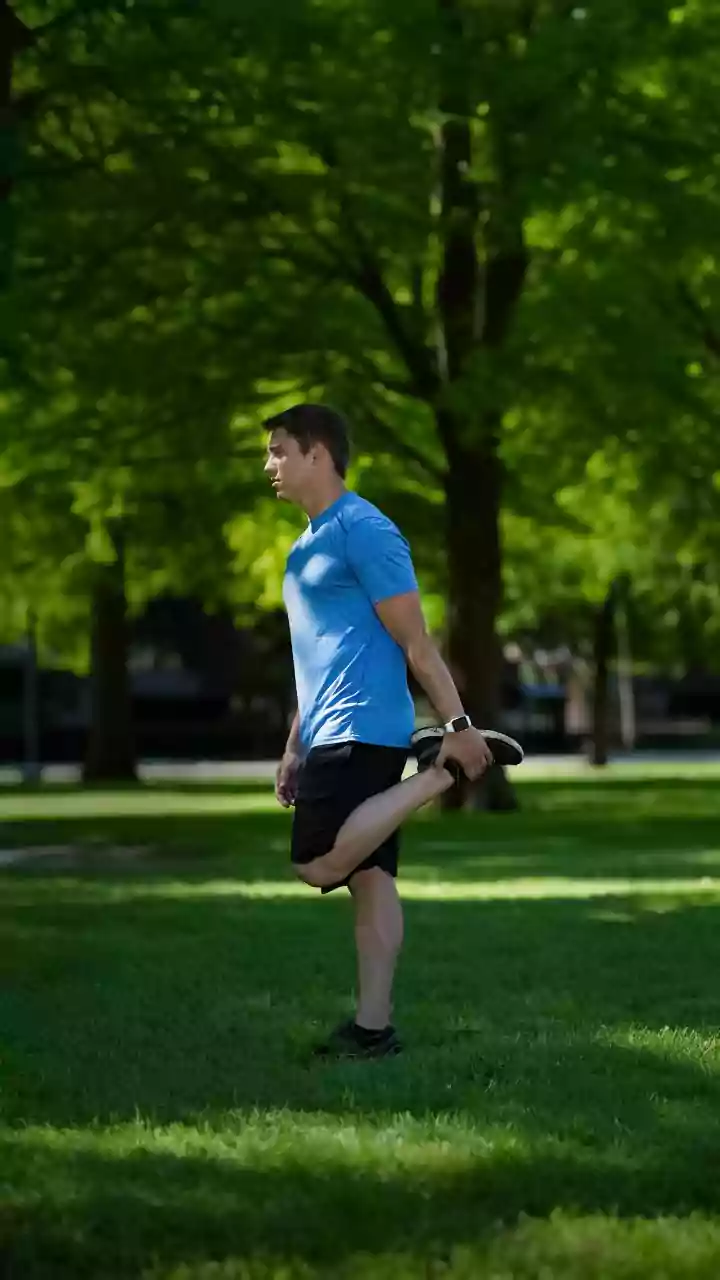
The key to starting with beam exercises is to prioritize safety and begin slowly. Use a wall or a chair for support if needed. Start with a low foam beam or a line on your floor.1. Heel-to-Toe Walk: Walk slowly across the beam, placing the heel of one foot directly in front of the toes of the other. Focus on keeping your gaze forward, not down at your feet. Try walking forwards and then backwards.2. Single-Leg Balance: Stand on one foot in the center of the beam. Try to hold the position for 15-30 seconds before switching legs. To increase the difficulty, try small leg lifts or close your eyes for a few seconds.3. Beam Squats: Stand with both feet on the beam, hip-width apart. Slowly lower yourself into a shallow squat, keeping your chest up and core engaged. Go only as low as you can while maintaining balance, then push back up to standing.
More Than Just a Strong Core
The benefits of incorporating beam exercises into your routine extend far beyond your midsection. Because these movements require intense concentration, they create a strong mind-muscle connection, improving your focus and body awareness. This heightened awareness can reduce stress and promote mindfulness. Furthermore, developing better balance and stability helps prevent falls and injuries in daily life and can enhance performance in other sports, from running to golf. By strengthening the intricate muscles in your feet and ankles, you're building a more resilient foundation from the ground up, leading to better coordination and agility overall.