




The Budget and Its Journey Through Parliament
Every year, the government presents its Union Budget, which is essentially a detailed plan of its expected income and expenditure. This process is central to parliamentary democracy. The budget's journey has two key components: the Finance Bill, which deals
with taxation and revenue, and the Appropriation Bill. The Appropriation Bill is crucial as it seeks Parliament's permission to withdraw money from the Consolidated Fund of India to fund various ministries and their schemes for the financial year. This approval process involves detailed discussions on the spending plans, known as 'Demands for Grants', for each ministry.
The Real Meaning of a 'Washout'
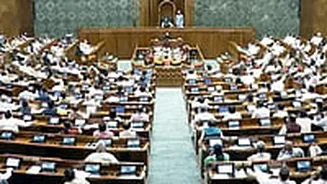
A 'washout' occurs when parliamentary sessions are continuously disrupted by protests, adjournments, and a general lack of proceedings. While political protests are a part of any democracy, prolonged and planned disruptions prevent Parliament from performing its core functions: debating laws, holding the government accountable, and, most critically, scrutinizing its spending proposals. These disruptions not only lead to a loss of legislative time but also have a tangible financial cost. Estimates suggest that running Parliament costs a significant amount per minute, covering salaries, infrastructure, and operational expenses, all paid for by the taxpayer.
The Guillotine: Spending Without Scrutiny
Here lies the biggest impact of washouts on public spending. Parliament has a limited time to discuss and vote on the Demands for Grants for all ministries before the financial year begins. When disruptions eat into this limited time, the House is unable to discuss the spending plans of most ministries. To ensure the government can continue to function, on the last day allotted for the budget discussion, the Speaker of the Lok Sabha applies a procedure known as the 'guillotine'. This involves bundling all the undiscussed Demands for Grants and passing them in a single vote without any debate whatsoever.
Why the Guillotine Undermines Accountability
In recent years, it has become common for a vast majority of the budget to be passed via the guillotine. This means that expenditure proposals worth trillions of rupees are approved without a single question being asked in the Lok Sabha. The Demands for Grants are the primary opportunity for Members of Parliament to examine the performance of ministries, question their spending choices, and suggest changes. When these demands are guillotined, Parliament's constitutional role as the custodian of the public purse is severely weakened. It bypasses the essential democratic process of financial accountability, where the government must justify its spending to the people's representatives.
Delayed Funds and Stalled Progress
Beyond the lack of scrutiny, parliamentary logjams can also delay the entire budget process. The timely passage of the Appropriation Bill is necessary for the government to release funds to states and for its various welfare schemes and infrastructure projects. Any delay can disrupt this cash flow, affecting everything from the payment of salaries and subsidies to the progress of crucial national projects. While the government can use a 'Vote on Account' to secure funds for a few months, this is a temporary fix and not a substitute for the full budget process. Persistent disruptions risk creating uncertainty and stalling the implementation of public services.